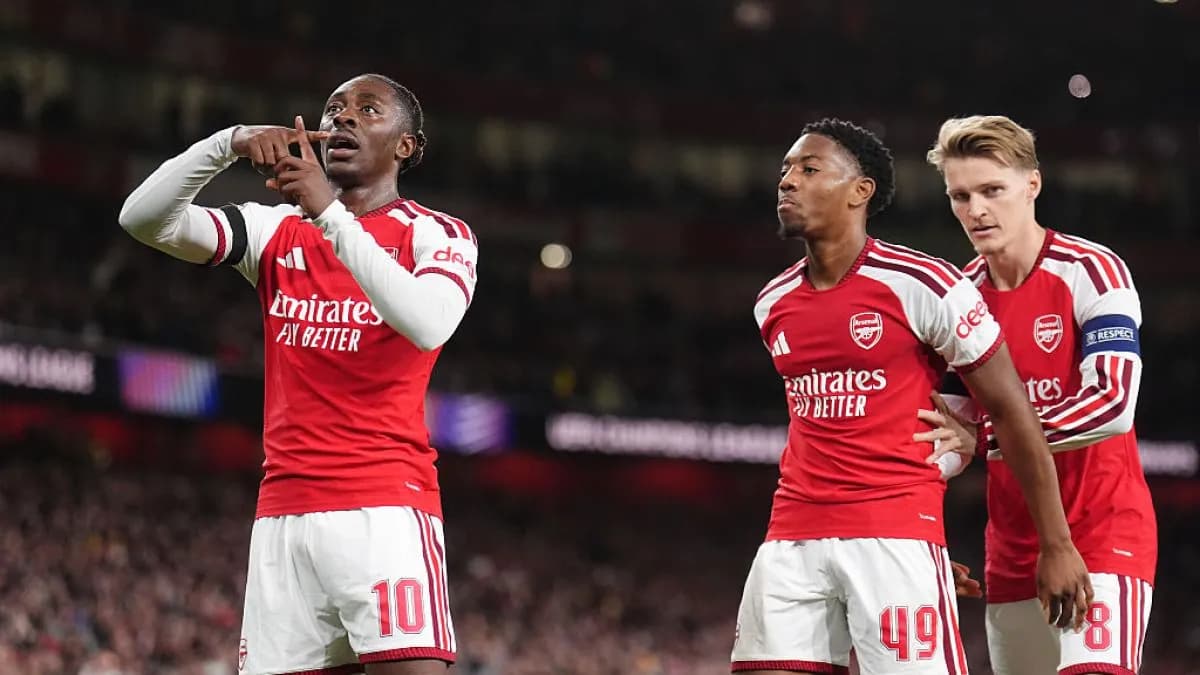
Arsenal vs Dortmund: Champions League Home Test
Event / announcement: August 28, 2026
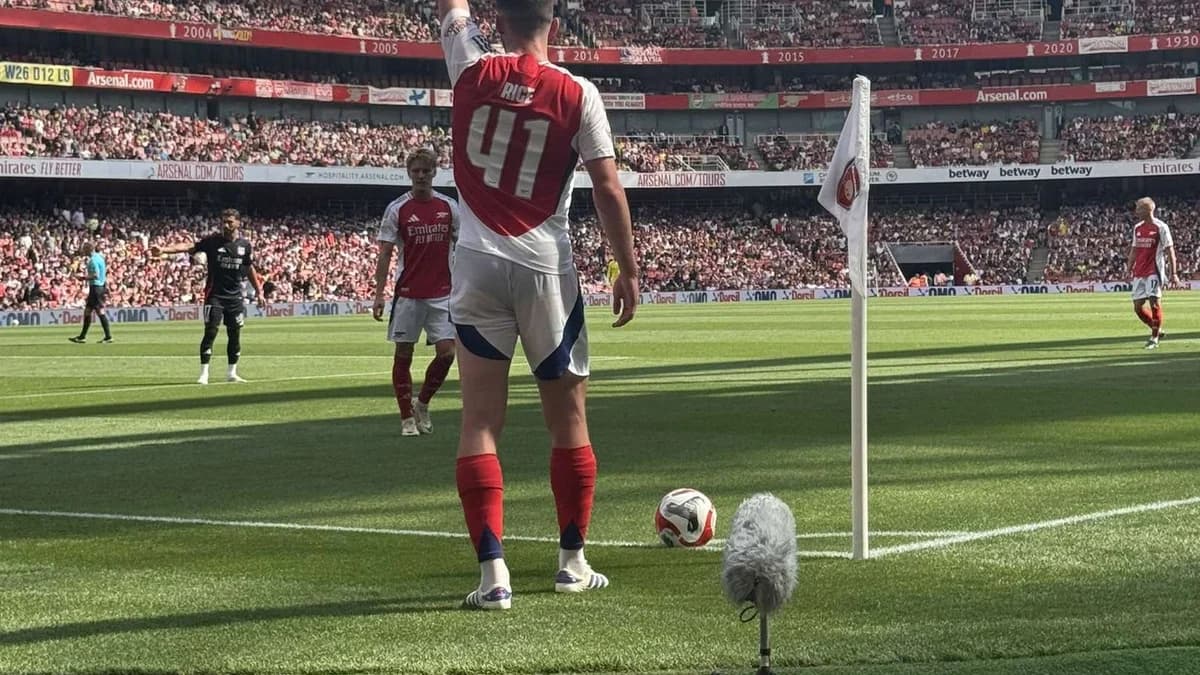
Arsenal's Champions League league-phase home game against Borussia Dortmund is scheduled for Tuesday 24 November at Emirates Stadium. Arsenal's club guide and UEFA's match calendar agree on the pairing and date. Six days out, the fixture is certain enough to preview, while the exact match-day squads and the table position after earlier rounds still need checking closer to kick-off. The game is a test of how Arsenal handle a major European visitor at home.
Arsenal have eight league-phase fixtures in the competition, with Dortmund one of the later autumn opponents. That format makes this a chance to earn three points and shape the January ranking, not a first leg whose return match will follow a week later. Dortmund's European pedigree adds interest, but a preview should be built on current form at publication rather than historic reputation alone. The clubs' official pages provide the confirmed venue and fixture; the tactical possibilities below are questions for the match itself.
The confirmed fixture and its context
A home match in November can be pivotal because the league phase is past its midpoint. Arsenal will want to use the crowd and familiarity of Emirates Stadium, yet pressing too recklessly could leave a route for Dortmund to attack the space behind. The value of any result depends on what Arsenal took from its previous four games and what remains on its schedule. Readers should update that context before kick-off rather than relying on standings frozen when this article was written.
- Arsenal host Borussia Dortmund on 24 November.
- The match is at Emirates Stadium.
- It is a league-phase fixture, not a knockout first leg.
- The confirmed starting elevens are not available six days ahead.
- UEFA and Arsenal list the fixture.
The distinction between a confirmed fact and a forecast matters here. The fixture, result and competition details above come from the linked reports and official schedules. Any suggestion about how Arsenal or Borussia Dortmund might approach the next match is analysis, not a team announcement. Selection, injuries and tactical plans can change after this article is written, so a reader returning on match day should use the clubs' latest team news and the competition's current fixture page before drawing a firm conclusion.
The tactical questions
Arsenal's midfield spacing will be central. If the full backs move high, the side needs cover for an immediate Dortmund counterattack; if they stay deep, Arsenal may struggle to create enough width around the box. Dortmund face a corresponding choice over when to press the first pass and when to protect the area between their lines. Watch the first quarter-hour for those decisions, and judge whether either team can turn possession into central entries rather than only long-range shots.
The useful way to study Arsenal in this setting is to separate territory from chance quality. Possession on its own says little about whether the ball reached dangerous areas, and a shot count can be inflated by speculative attempts. Watch where moves begin, how quickly the side progresses through midfield and whether its wide players can receive facing goal. For Borussia Dortmund, the same exercise can show whether a defensive spell is controlled or whether the team is merely surviving repeated entries into its penalty area. Those details make a more dependable reading than the score alone.
Set pieces deserve their own assessment. Corners and free kicks can change a close Champions League contest without either side dominating open play. Look for the first contact, the space around the second ball and the way defenders respond after a partial clearance. A team can defend the initial cross well yet concede because its midfield line does not recover. At the other end, a rehearsed delivery can create the decisive chance from an otherwise quiet attacking period. The official match report is the reference for what happened; these are the patterns worth checking in the footage.
- Can Arsenal find central entries against Dortmund's block?
- How will Arsenal cover behind advanced full backs?
- When will Dortmund press Arsenal's first pass?
- What does the current league-phase table require?
- Which substitutions change the late-game balance?
How the wider schedule shapes the story
This match belongs to a crowded part of the football calendar. League games, European ties and international windows can force a coach to make decisions on recovery as well as form. That does not make rotation inevitable, but it is a reason to wait for confirmed line-ups before treating an expected eleven as settled. A return journey, a short training week or an extra cup fixture may affect preparation; none should be used as a substitute for evidence about a particular player's fitness. The dates in the official schedules below provide the stable reference point.
A single match can also distort a table-based argument. Position is a snapshot influenced by who has played whom, games in hand and the timing of difficult fixtures. In Champions League, the stronger question is whether a performance can be repeated against a different opponent and under a different game state. A side protecting a lead is asked to solve another problem than one chasing an equaliser. Review the next two or three fixtures alongside this one before turning a good or bad afternoon into a claim about the whole season.
What to check before kick-off
The team sheets will resolve much of the uncertainty about personnel. After kick-off, compare the teams' ability to win second balls and reach the byline with the pre-match questions. A narrow result may be shaped by one set piece or substitution, so the analysis should include those moments as well as open-play control. UEFA's live match page will provide the authoritative score and eventual table effect once the game is played.
For supporters following the story from Malaysia, the most practical next step is to check the official competition page near kick-off for the final time, venue and any schedule change, then the club channels for team sheets. Reports published earlier in the week are valuable background, but they cannot know a late fitness test or an unexpected selection decision. After the game, compare the official result with the questions above: which side controlled the dangerous spaces, which chances were genuinely clear and how did the managers respond when the match changed? That provides a fairer follow-up than judging only by the headline.
The enduring point is the same whether this is a decisive result or a preview. Arsenal and Borussia Dortmund should be assessed through the evidence available at the time. The linked sources establish the event and its context; the questions in this article give readers a way to test what happens next. We will update the story when a later result supplies new evidence, rather than presenting a forecast as a completed match.
Sources
Like what you read?
Register now and put today's slate to work.