
Havertz and Odegaard Lead Arsenal's 2-1 Comeback Against Chelsea
Event / announcement: September 6, 2026
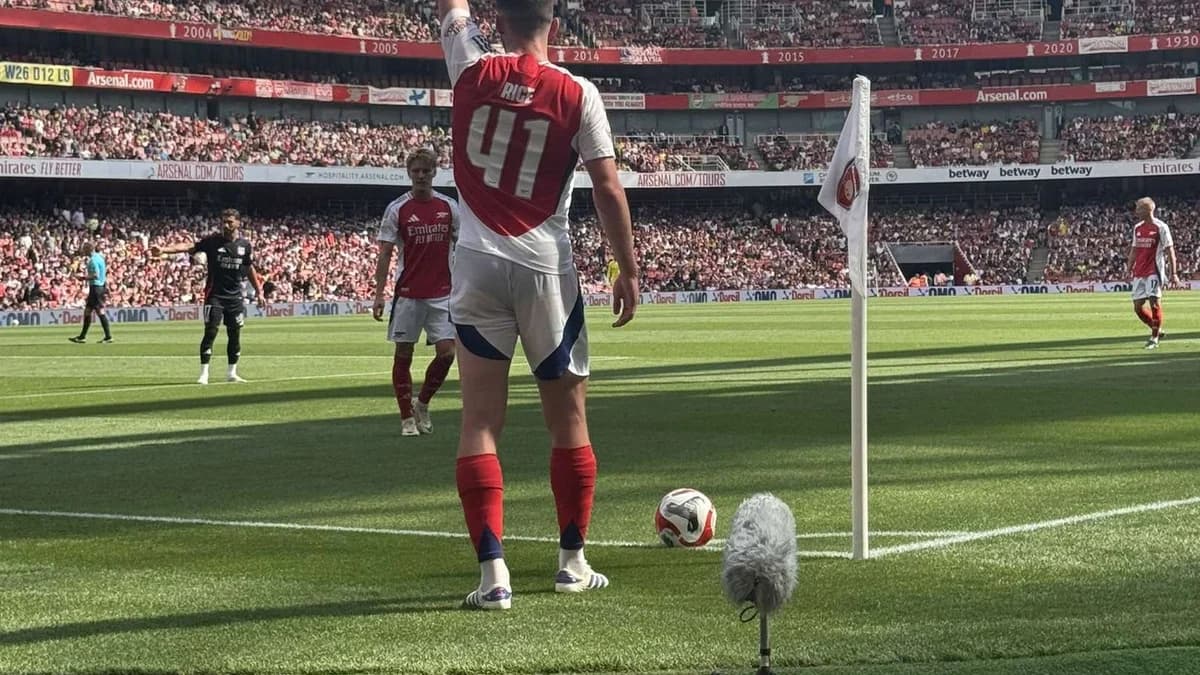
Arsenal came from behind to beat Chelsea 2-1 at Emirates Stadium on 6 September 2026. Kai Havertz and Martin Odegaard scored for the home side after Morgan Rogers had given Chelsea the lead inside the opening two minutes.
Rogers struck after 77 seconds, putting Arsenal under immediate pressure in the London derby. Havertz equalised in the 25th minute, and Odegaard scored in the 50th to complete the turnaround. The final score preserved Arsenal's perfect start alongside Manchester City, according to Sky Sports' match report.
The sequence of the goals tells the essential story: Chelsea gained the earliest advantage, Arsenal restored parity before the interval, and the hosts moved ahead shortly after the restart. The visitors were unable to find the equaliser that would have changed the result.
For a league campaign still in its early stages, the win adds points as well as a derby result. It is also a reminder that conceding first and controlling the final outcome are different questions. Arsenal's response, rather than the opening setback alone, is what determined the outcome of this match.
Key facts
- Final score: Arsenal 2-1 Chelsea.
- Scorers: Rogers 2', Havertz 25', Odegaard 50'.
- Venue: Emirates Stadium; match date: 6 September 2026.
P777 Sport analysis
The early goal made the response the central question
Conceding almost immediately leaves a team with most of the match still available but changes the emotional and competitive setting. The trailing side needs to respond without allowing urgency to become disorder. That does not necessarily mean abandoning the original approach; it means finding a route back while continuing to manage the opponent's threat. Arsenal's subsequent goals provide the outcome of that response without requiring a claim about unreported instructions.
The timing also matters when describing the comeback. An equaliser before half-time leaves a different interval situation from one in which the team still trails. The winner shortly after the restart then shifts the burden to the other side. The report's chronology makes those changes clear. It does not need to invent a dramatic half-time speech to explain that the score and the immediate objective had changed.
Two familiar scorers, two stages of the turnaround
The goals served different functions. An equaliser repairs the scoreline; a winner changes which team is on course to take the points. Treating both merely as entries in a scorer list can lose that distinction. Naming the role of each goal helps readers understand the match's progression even if they have not watched the highlights.
It is also a useful way to discuss individual contributions without overstating them. A goal is a decisive event, but football involves the preceding moves and the defensive work that allows a lead to survive. The scorer deserves recognition while the rest of the performance remains a broader team question. A short factual account cannot automatically establish every player's influence, and this analysis does not pretend otherwise.
What the result says about resilience
Resilience is most useful as a description of an observed response rather than a permanent label attached to a team. Arsenal recovered in this match. That is a supported conclusion. Claiming that they will always recover from future setbacks would turn one result into a prediction. Keeping the term tied to the event makes it meaningful instead of reducing it to a slogan.
The distinction matters because future matches can ask different questions. An opponent may defend a lead differently, the remaining time may be shorter, or the trailing side may have fewer options available. Those possibilities do not reduce the value of this win. They simply explain why each comeback has to be achieved again under its own conditions rather than borrowed from an earlier success.
Chelsea's start and final result belong in the same account
The losing side's early advantage is an essential part of the story, not an inconvenient detail to remove from a report centred on the winner. It shows why Arsenal needed a turnaround and gives Chelsea's contribution its place in the sequence. At the same time, scoring first does not make the later result accidental. The full match, rather than its opening moment alone, determines the points.
A detailed assessment of Chelsea would require more than the score progression. It would need evidence about chances, defensive situations and the choices made after falling behind. Without that material, it is better to avoid asserting a specific tactical failure. The clear factual outcome is that the early lead did not become a win or draw, and the goals that changed the match are identified above.
Reading an early league table carefully
A perfect start is valuable because it represents points already secured, but the first few fixtures are only a small portion of a campaign. Different opponents and game situations will test a team in different ways. Supporters can appreciate the immediate return while keeping their judgement about the final standings open. The two positions are compatible: a strong opening is real, and the season remains unfinished.
Comparisons also become more useful when they include how results were obtained. A team that has led comfortably in every game has faced a different set of situations from one that has recovered after conceding. Neither pattern alone settles which team will finish higher. It does provide context for the next match, especially when a new opponent creates circumstances the side has not recently encountered.
The challenge after moving ahead
Once a comeback is complete, the leading team has another problem to solve. The opponent now needs a goal, which can create space but also increase the pressure on the defence. A side that continues committing players forward must protect itself when attacks break down. A side that retreats too far may struggle to move the ball away from its own goal. Managing a lead is an active task rather than a pause in the match.
That perspective gives the winning goal its proper place. It changed the score, but the result still had to be preserved through the remaining time. Arsenal ultimately did so. For readers comparing this performance with later games, the useful themes are the response to conceding, the conversion of chances into the turnaround and the ability to finish ahead. Those are separate parts of the same successful result, each worth following when a different opponent asks similar questions.
Sources
Like what you read?
Register now and put today's slate to work.