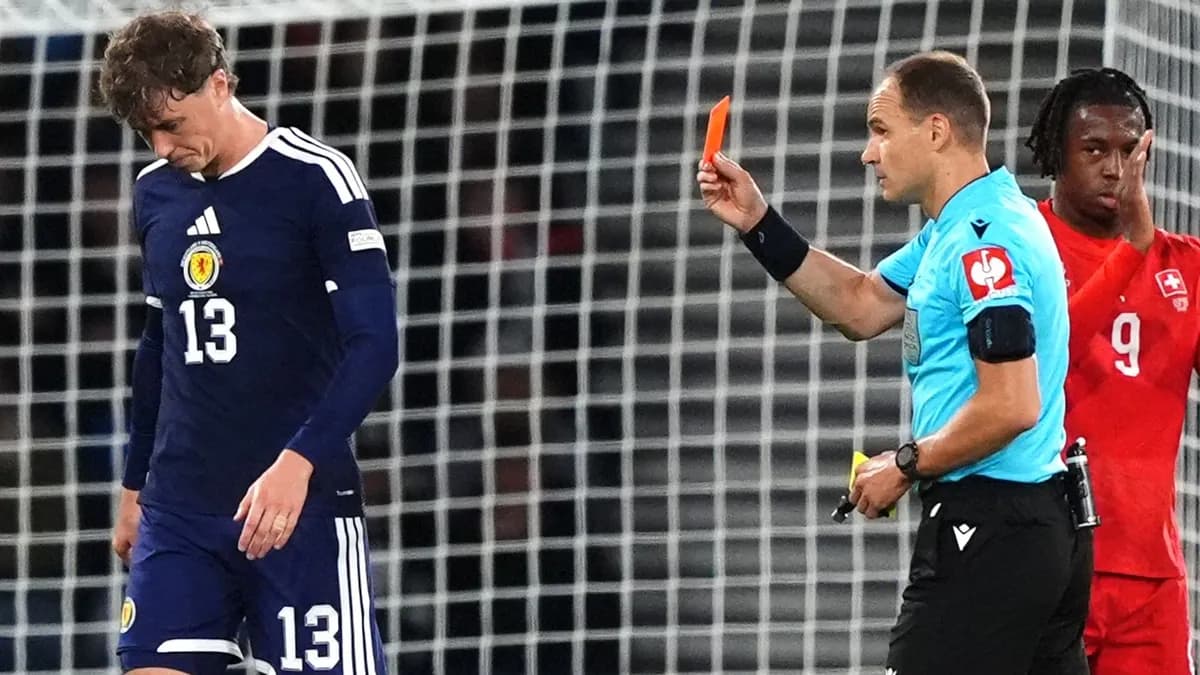
Cards and Discipline Markets: Reading Referee Tendencies
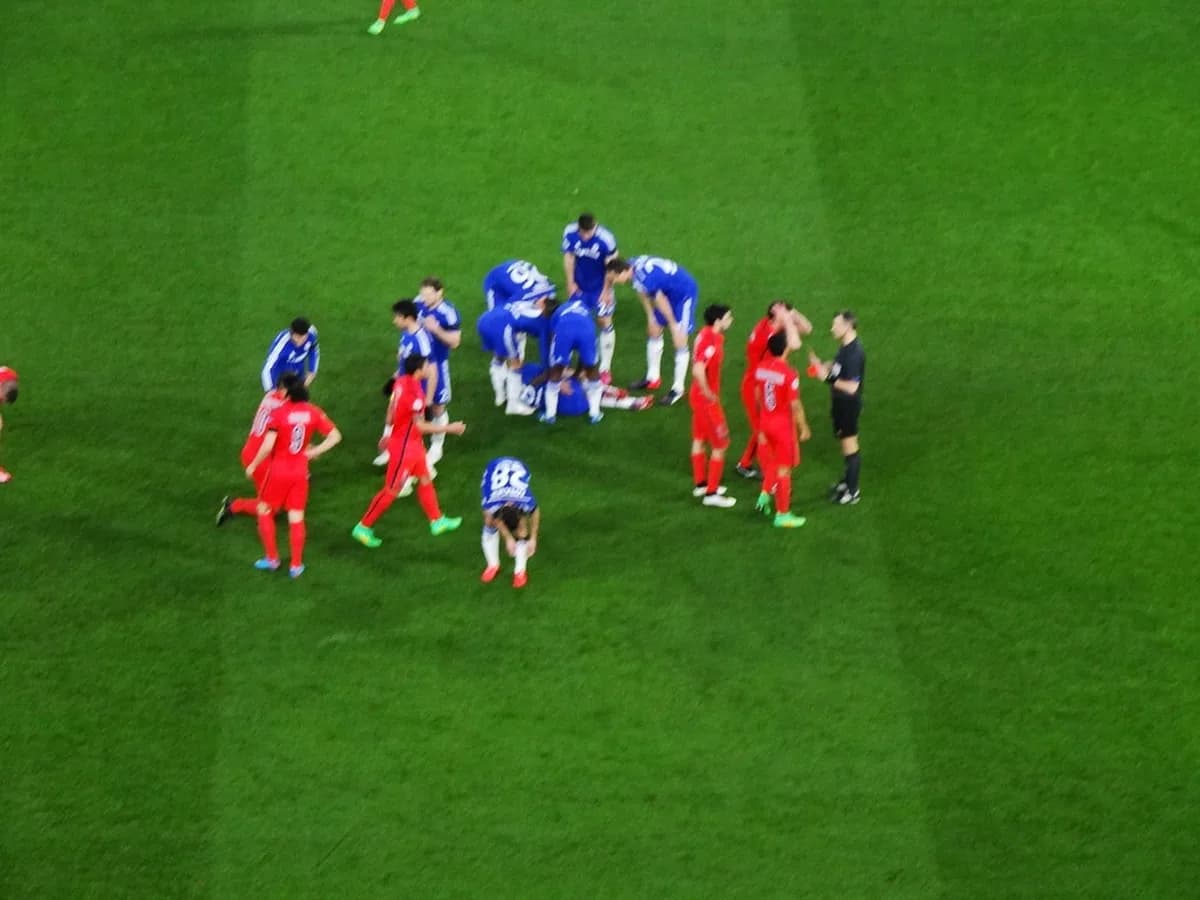
Discipline markets sit in an odd spot for a lot of bettors. Cards feel unpredictable, tied to a single reckless tackle or a moment of frustration rather than anything you can genuinely project in advance. In reality, card counts are shaped by identifiable patterns just like goals or corners are, and the referee assigned to a fixture is often the single biggest variable in the whole equation.
Why the Referee Matters as Much as the Two Teams
Referees have genuinely different thresholds for what earns a caution, and that gap tends to be consistent across a season rather than random from match to match. Some officials let far more physical contact go before reaching for a card, favouring a quiet word and general match control, while others are notably quicker to book a mistimed tackle even early in a game when the stakes are lower.
Building a simple cards-per-match average for a specific referee, tracked over their recent appointments rather than a whole career sample, gives a far more useful baseline than assuming every official manages a match the same way. A referee running noticeably above the league's average card count is a meaningful input into any discipline market, regardless of which two teams have been drawn together for that fixture.
- Track a referee's cards-per-match average over their last ten to fifteen appointments rather than a full career sample.
- Note whether a referee tends to book more cards for dissent and confrontations with officials than for mistimed tackles alone.
- Check how a specific referee has historically handled fixtures with a strong rivalry element, since some officials tighten up noticeably in those matches.
- Watch for a referee's tendency around stoppage time cards, since some are quicker to book time-wasting late in a close match.
- Compare a referee's away-team card rate against their home-team card rate, since a subtle home-crowd bias shows up in the data for some officials.
Team Tactics Shape Discipline Risk Just as Much
Beyond the referee, a team's own tactical approach plays a major role in how many cards it's likely to pick up. Sides that press aggressively high up the pitch commit more challenges in areas where a foul is more likely to be called a tactical one, while a team that sits deep and defends in a compact, patient block tends to make fewer high-risk challenges overall, simply because there are fewer transition moments where a foul becomes the only way to stop a counter-attack.
Individual player discipline records matter here too, but they need context. A player who accumulates cards mostly from reckless tackles is a different risk profile than one who picks up cautions mainly for dissent or time-wasting, and the two respond very differently to changes in matchup or match importance.
Rivalry Fixtures and Must-Win Contexts Push Card Counts Up
Match context matters enormously for discipline markets, arguably more than for most other football markets. A fixture with genuine rivalry history, or one where either side is fighting against relegation or chasing a top-of-the-table finish late in a season, tends to produce a noticeably higher card count than a routine mid-table meeting with little riding on the result.
Weather and pitch conditions play a smaller but real role too. A heavy, slick surface tends to produce more mistimed tackles and slide challenges that draw a card, simply because players lose their footing more often than they would on a firm, dry pitch. It's a minor factor compared to referee assignment and match context, but worth folding in when conditions are notably poor.
- Weight match importance heavily, since relegation battles and rivalry fixtures consistently produce higher card counts than routine meetings.
- Check a team's pressing intensity, since a high-press style generates more high-risk tackles in transition than a deep, patient defensive block.
- Separate a player's reckless-tackle cards from their dissent or time-wasting cards, since the two carry different risk profiles going forward.
- Factor in poor pitch or weather conditions as a small additional risk factor for mistimed challenges.
- Note any recent disciplinary crackdown from the league itself, since governing bodies occasionally issue directives that shift referee behaviour league-wide for a stretch of matches.
Common Mistakes When Pricing Discipline Markets
A common mistake is ignoring the referee assignment entirely and pricing a cards market purely on the two teams' own discipline records. The referee is often the single biggest swing factor in the whole market, and skipping that check means missing the clearest, most consistent input available before kickoff.
Another frequent error is treating all cards as equally predictable. A tactical foul to stop a fast break is a fairly consistent, repeatable event tied to a team's style, while a card for a genuine flashpoint or mass confrontation is much closer to a random event that's difficult to project with any real confidence in advance.
A Practical Discipline Market Checklist
- Check the assigned referee's recent cards-per-match average before looking at either team's own discipline record.
- Weight match context, rivalry history and table stakes heavily, since they consistently push card counts above the season average.
- Compare each side's pressing intensity, since a high-press approach generates more cautionable challenges in transition.
- Separate reckless-tackle cards from dissent-driven cards when reviewing an individual player's discipline history.
- Reassess your view whenever a new referee is confirmed for a fixture rather than assuming the original assignment holds.
Discipline markets reward the bettors willing to do the unglamorous homework: building a referee-specific baseline, adjusting for tactical style and match context, and treating individual card records with the nuance they actually deserve. It's one of the few corners of football betting where a single, well-researched input, the referee's own tendencies, can move a projection more than almost anything either team does on the pitch.
It's also worth building this referee baseline well before the fixture is confirmed rather than scrambling to research it once the appointment is announced. A short, running spreadsheet of card averages, dissent rates, and rivalry-fixture behaviour for the referees who regularly officiate a given league takes a modest amount of upkeep but pays off repeatedly across a season, since the same small pool of officials tends to cycle through the same competition's biggest matches again and again.
Finally, don't treat a referee's tendencies as fixed forever. Officiating standards can shift within a season following a directive from the governing body, a high-profile controversy that prompts a stricter approach league-wide, or simply a referee adjusting their own style after a run of criticism. Revisiting the baseline every few months, rather than relying on a figure built up a year or two ago, keeps a discipline-market view accurate as those standards quietly move.
Like what you read?
Register now and put today's slate to work.