Derby Day: How Atmosphere Actually Affects the Way Teams Play
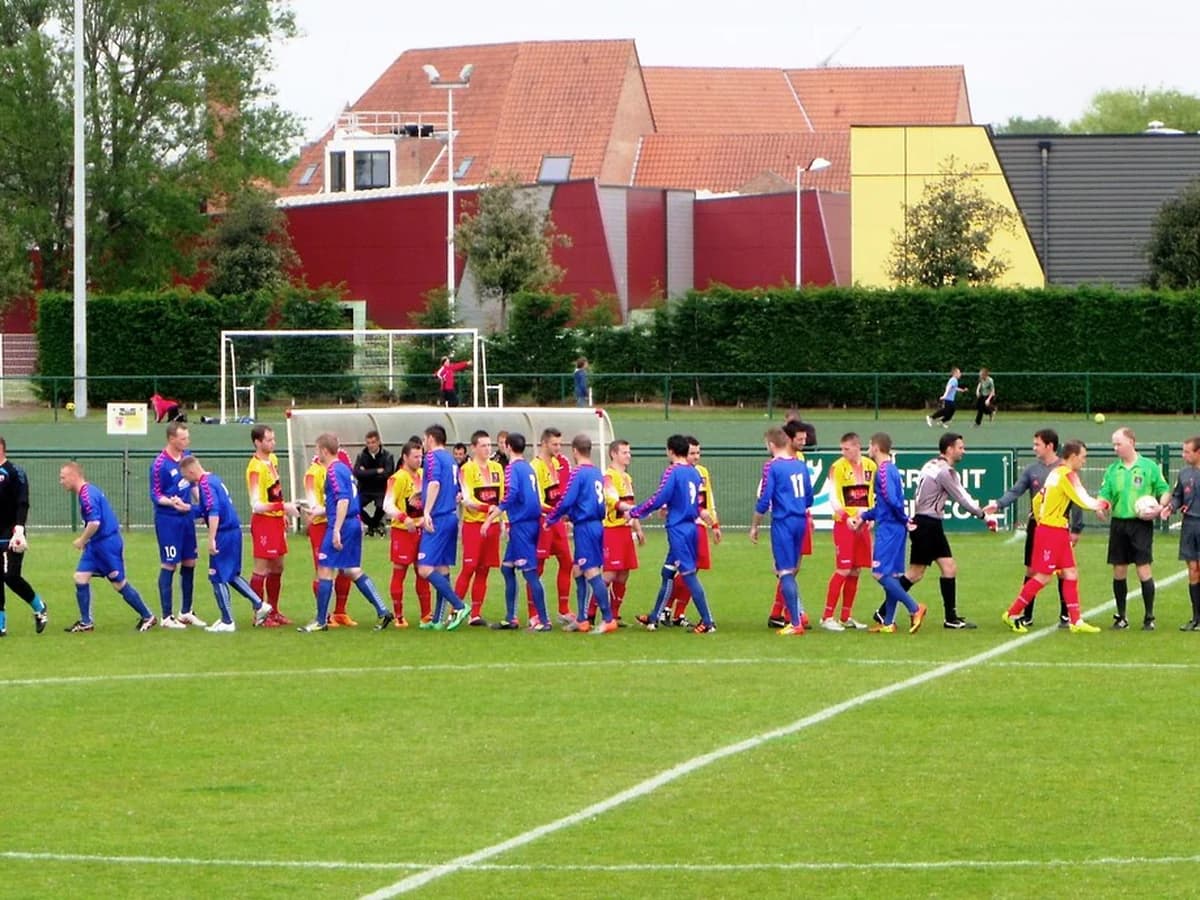
Derby fixtures are unlike any other match on a football calendar. The table position of either club barely matters once the whistle blows, and the emotional stakes create patterns in the data that show up match after match, season after season, almost regardless of who's actually involved.
More Cards, More Stoppages, Every Time
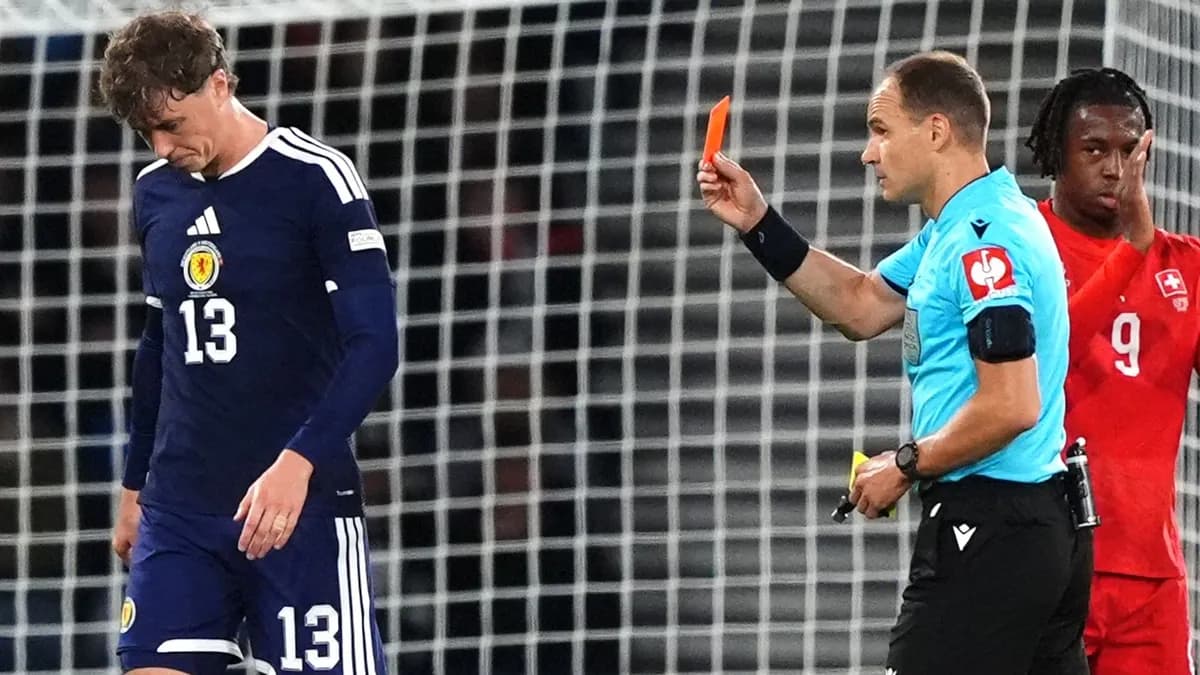
Derby fixtures consistently produce more bookings and stoppages than the league average for both clubs involved, regardless of table position. This isn't a small effect either. Card counts in genuine local rivalry fixtures routinely run well above a league's seasonal average, driven by heightened tackling intensity, more contested fifty-fifty challenges, and referees who are often slightly quicker to produce a card early to try to keep control of the game.
The increased stoppage count compounds this further. More fouls mean more free kicks, more time for players to confront each other, and generally a more fragmented, stop-start match compared to the average league fixture. This has knock-on effects for markets tied to total cards, total fouls, and added stoppage time.
Why Form Genuinely Means Less in a Derby
Form often means less in a derby, well documented as the fixture where form goes out the window, and the data broadly backs that up in terms of result volatility. Underdogs in genuine local rivalry fixtures win at a noticeably higher rate than their broader season form would predict, driven partly by extra motivation and partly by the fact that favourites often approach the fixture more cautiously than usual, wary of the reputational cost of a derby loss.
- Card counts in genuine rivalry fixtures tend to run well above a club's seasonal average for both sides.
- Underdogs perform better than their season-long form would suggest, narrowing the gap versus the favourite.
- Matches tend to be more stop-start, with more fouls and more stoppage time than an average league fixture.
- Early bookings are more common as referees try to establish control before tempers rise further.
- Managers often set up more cautiously than usual, prioritising not losing over an expansive approach to winning.
What This Means for Totals and Card Markets
For bettors, that volatility usually shows up as inflated over and under and card market lines that are worth a closer look before kickoff. A market built primarily on each team's season-long scoring average may not adequately price in the more cautious, cagier approach that's common in genuine derby fixtures, where both managers often prioritise not losing over an expansive attacking approach.
Card totals markets specifically tend to be priced closer to a league average than the historical derby-specific data actually supports. Reviewing a specific rivalry's last several head-to-head meetings for card counts, rather than relying on each club's general season average, usually gives a much sharper read than the default market price.
A Derby Day Preparation Checklist
- Review the specific rivalry's last five to six head-to-head meetings for card and foul counts rather than season averages.
- Note whether either manager has a history of setting up cautiously in this specific fixture.
- Check for any suspensions from previous ill-tempered meetings between the same two clubs.
- Weight underdog chances slightly higher than season-long form alone would suggest.
- Expect a more stop-start match with more stoppage time than the average league fixture that season.
Common Mistakes When Betting Derby Fixtures
A frequent mistake is pricing a derby purely on season-long form, ignoring how consistently these fixtures produce tighter, more cagey matches than either club's average game. A big favourite on paper can still be priced too short for a derby specifically, since the emotional stakes tend to narrow the gap between the two sides on the day.
Another is underestimating card and foul totals because a market defaults to a club's season-wide average rather than that specific rivalry's history. Genuine local derbies carry their own pattern that often runs well above the wider league average, and ignoring that history in favour of a generic number tends to undervalue card and foul markets specifically.
A Repeatable Derby Preparation Process
Building a short, rivalry-specific review before every derby, rather than reusing a generic season-form checklist, captures the behavioural patterns that repeat in these fixtures far more reliably than a standard match preview would.
- Review the specific rivalry's last five to six meetings for cards, fouls, and final margin rather than season averages.
- Note whether either manager has a public history of setting up cautiously in this specific fixture before.
- Check for previous ill-tempered meetings between the two clubs that led to suspensions carrying into the next encounter.
- Weight underdog chances slightly higher than season-long form alone would suggest for this specific type of fixture.
- Expect a more stop-start match with more stoppage time than either club's average league fixture that season.
Derby fixtures reward a specific kind of preparation. Treating them like any other match on the calendar, purely on season-long form and scoring averages, consistently misses the very real behavioural patterns that show up whenever genuine local rivalry is on the line.
It's also worth noting how a derby's context within the wider season changes its character. A derby played when both clubs are fighting relegation tends to be even more cagey and error-prone than one played when both are safely mid-table with nothing pressing on the result. Reading the season context alongside the fixture's rivalry history gives a sharper final view than treating every renewal of a rivalry as identical regardless of what's actually at stake that year.
New signings making their first derby appearance are worth watching closely too. Even experienced players who have handled pressure fixtures elsewhere sometimes need one derby appearance to fully adjust to the unique intensity of a specific rivalry, which can show up as an uncharacteristic error or a rash challenge early in the match. Managers are often aware of this risk too, and it's worth checking whether a new signing has been eased in gradually rather than thrown straight into a starting eleven for their first taste of a genuine rivalry fixture. A short substitute appearance in a previous derby, even a low-key one, can meaningfully settle a player before they're trusted with a full ninety minutes in the fixture.
Like what you read?
Register now and put today's slate to work.