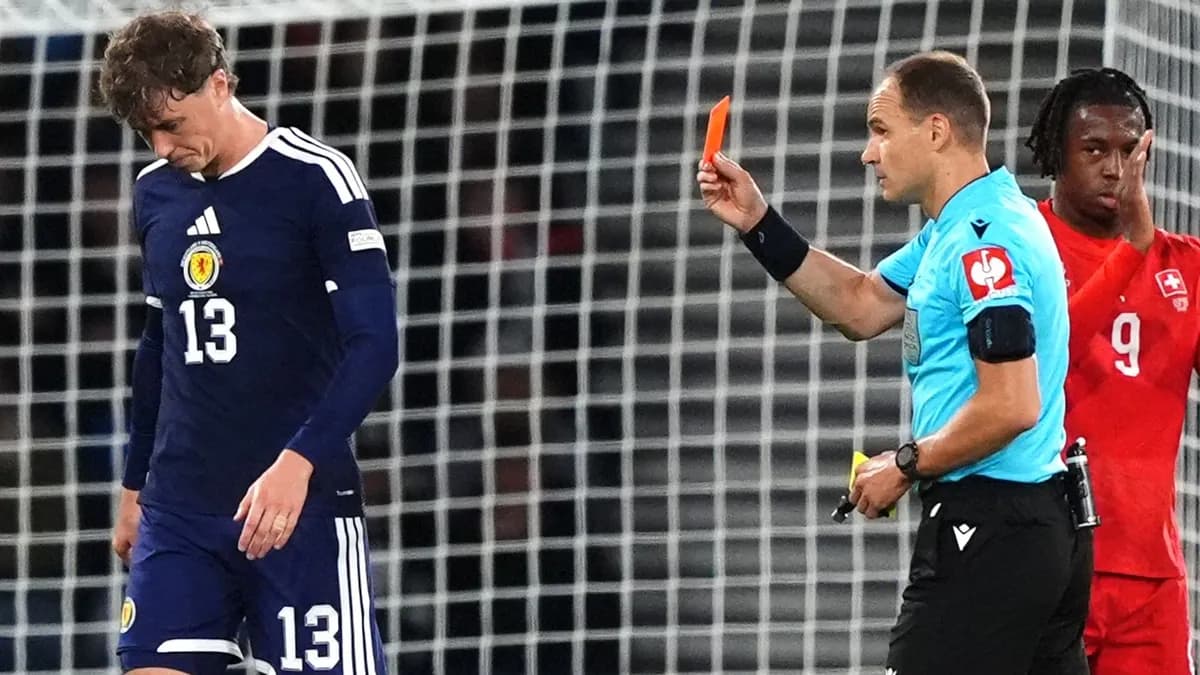
EFL Cup Third Round: Liverpool Face Spurs in September Ties
Event / announcement: September 7, 2026
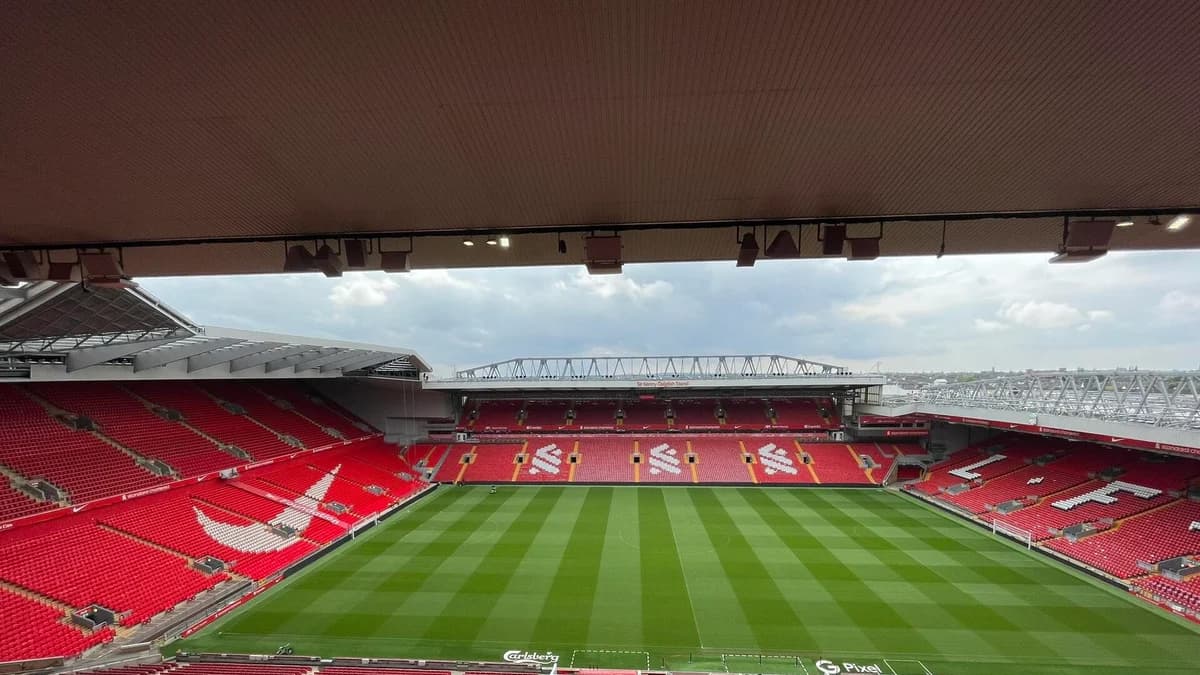
Liverpool's home tie against Tottenham is among the leading fixtures in the EFL Cup third round, according to the schedule published by the Premier League on 7 September 2026. The round contains six meetings between Premier League clubs and is spread across two sets of September midweeks.
Liverpool against Spurs is scheduled for 15 September, alongside Ipswich against Arsenal. Chelsea are due to host Leeds on 9 September. Manchester United against Brighton and Coventry against Aston Villa are listed for 16 September, with Manchester City hosting Norwich the following day.
The schedule reflects the demands of European competition. The eight clubs playing in the Champions League and Europa League were kept apart in the draw for scheduling reasons, allowing their domestic cup ties to fit around European fixtures that cannot be rearranged.
This is a fixture news update, not a report of completed matches. The dates above were checked against the league's published list on 8 September; supporters should check the relevant club's latest match information before making plans. No score or winner is implied for a tie that has yet to be played.
Key facts
- Liverpool v Tottenham: scheduled for 15 September.
- Chelsea v Leeds: scheduled for 9 September.
- This article reports announced fixtures, not future results.
P777 Sport analysis
Why the calendar is part of the news
A cup draw identifies opponents, but the dates determine how the tie fits into the rest of a club's programme. That makes scheduling a substantive part of the announcement rather than an administrative footnote. Supporters need to know when to follow the match, and teams need to prepare within the time available between other fixtures. The published schedule supplies that framework before any result exists.
Spreading a round over more than one midweek can make the competition harder to follow casually. Some clubs may have completed their ties while others are still waiting to play. A dated fixture article helps readers understand that sequence without assuming that every match in the round takes place on the same night. It also provides a place to distinguish confirmed opponents from outcomes that remain unknown.
Liverpool against Tottenham is a fixture, not a forecast
A meeting between two well-followed clubs naturally attracts attention, but the prominence of the names does not establish how the tie will unfold. The line-ups, match conditions and events during play still matter. The useful news at this stage is the pairing and its scheduled date. Any tactical preview would need current team information closer to kick-off, and any result report must wait until the match has been played.
That boundary is especially important in a monthly news archive. An article published before a tie should not imply that a winner is already known. Readers arriving later may see the date and assume they are reading a completed match report unless the wording is explicit. Labelling the piece as fixture news protects the meaning of the original announcement even after the competition has moved forward.
How European commitments affect the domestic picture
Clubs involved in more than one competition have to fit several fixed obligations into a limited calendar. A domestic cup organiser cannot always treat every possible pairing as equally easy to schedule. The league's explanation of the draw conditions gives a concrete reason for the separation described above: the European dates create constraints that the domestic round must accommodate.
The consequence for readers is that scheduling conditions should not be confused with a sporting prediction or a judgement about which club deserves an easier tie. They are part of how the fixtures are arranged. The eventual contest remains a match between the drawn opponents, and the result will be decided on the pitch. Understanding the calendar clarifies the process without inventing a motive beyond the published explanation.
Rotation is a question to watch, not a line-up to invent
Cup fixtures often prompt discussion about which players might appear. That can be useful if it is clearly framed as a question, but it becomes misleading when a projected line-up is presented as confirmed. Until the club publishes its team, the responsible approach is to identify what information supporters should check rather than assign players to positions on the basis of expectation alone.
The same applies to assumptions about priorities. A manager's eventual selection may reflect fitness, workload, the opponent or other considerations that are not fully public. It should not automatically be interpreted as evidence that the club does not value the competition. A fixture announcement establishes the opportunity to compete; evaluating selection requires the actual team news and any relevant explanation when it becomes available.
A practical way for supporters to follow the round
Start with the specific tie rather than assuming the entire round shares one kick-off time. Then check the club's current match page for the final date, local start time and any changes. For readers in Malaysia, the date can differ from the UK calendar date when a late UK start falls after midnight locally. This article does not supply converted kick-off times because the cited fixture list here is being used for dates and pairings.
Broadcast access should be checked with the relevant provider in the viewer's own region. A UK television listing does not automatically establish availability in Malaysia. Keeping that distinction clear is more helpful than adding an unverified viewing claim to a reliable fixture announcement. The essential information in this story remains the opponents and the published place of the ties within September's schedule.
The appeal of a separate cup contest
A cup meeting creates a sporting question distinct from the league table. Clubs arrive with their broader season objectives, but the immediate focus is the tie in front of them. That can give a familiar pairing a different character: supporters are following progress in another competition, and the result becomes part of a separate route through the calendar. The league positions alone do not answer which team will perform better on that occasion.
For September, the range of pairings also offers several points of interest rather than only one headline match. Supporters can follow their own club while comparing how other teams manage the surrounding workload. The published dates are the starting framework for that attention. Team news and completed match reports will add the next layers, turning an announced schedule into a sequence of sporting outcomes as the round is played.
Sources
Like what you read?
Register now and put today's slate to work.