
Home Advantage: Is It Still as Strong as the Market Prices It?
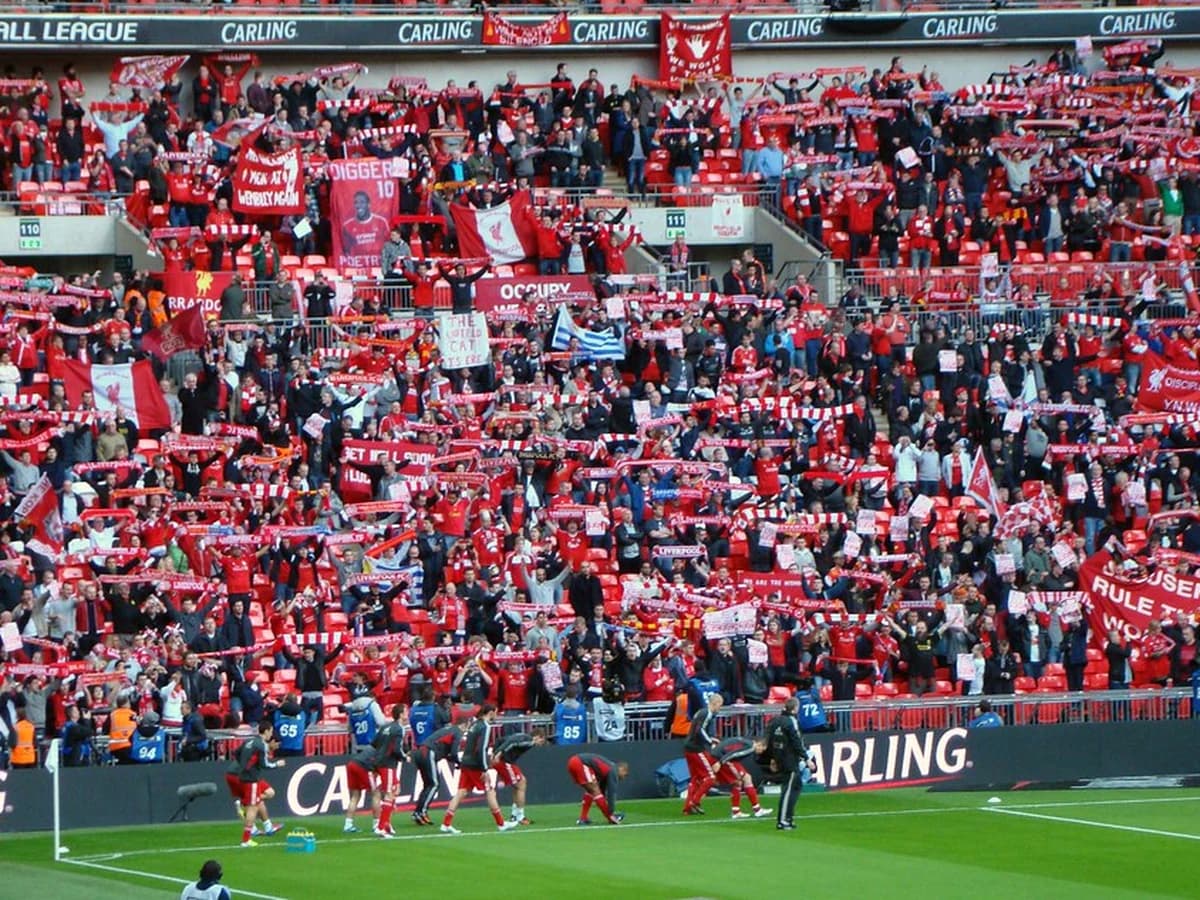
Home advantage has always been treated as one of football's most reliable constants. Home teams win more often, score more often, and generally perform better than an identical squad would on the road. But the size of that edge has quietly shifted over the past decade, and markets don't always catch up as quickly as the underlying trend does.
A Narrowing Gap Across Europe's Top Leagues
Home advantage has narrowed gradually across most of Europe's top leagues over the past decade, driven by improvements in travel, recovery science, and pitch and venue standardisation. Modern travel logistics mean away squads arrive less fatigued, recovery staff and sports science departments are far more sophisticated at managing jet lag and muscle fatigue, and pitch quality has become far more consistent across most top-flight venues than it once was.
It hasn't disappeared. Crowd effect on refereeing decisions and set-piece routines still show up in the data, but the gap between home and away performance is smaller than long-run market pricing sometimes assumes. Referees have been shown in multiple independent studies to award marginally more stoppage time and marginally fewer cards to home sides in tight matches, which is a subtle effect but a real one.
What Still Drives a Real Home Edge
- Crowd noise has a measurable effect on marginal refereeing decisions, particularly on stoppage time and penalty calls.
- Set-piece routines are practiced extensively on a club's own pitch, giving a small but real technical edge at home.
- Travel fatigue still matters for long-distance away fixtures, even with modern recovery protocols in place.
- Familiarity with pitch dimensions and surface type helps technical, possession-based teams more than direct, physical ones.
- A hostile atmosphere can visibly affect younger or less experienced away players more than seasoned veterans.
Why the Effect Varies So Much by Club and League
The effect also varies a lot by club and by league, which is why we treat it as a per-team adjustment rather than a blanket rule. A club with a compact, old-fashioned stadium where the crowd sits close to the pitch tends to retain a stronger home advantage than a club playing in a modern, larger venue with more distance between the stands and the field, even within the same league.
Leagues with more geographically spread fixtures, requiring longer average travel distances between away matches, also tend to show a slightly larger home advantage than leagues where most away trips are short. This is worth factoring in specifically when comparing home advantage across different countries rather than assuming a single number applies everywhere.
Adjusting Your Own Read of Home Advantage
- Build a club-specific home advantage figure rather than applying a single league-wide number to every team.
- Check whether a club's stadium has been renovated or expanded recently, since that can shift the effect meaningfully.
- Weight travel distance for the away side in leagues that span a wide geographic area.
- Note whether a team's playing style relies heavily on pitch familiarity, like intricate short passing, versus a more direct approach.
- Revisit your home advantage assumptions periodically, since the gap has been shrinking gradually rather than staying fixed.
Common Mistakes When Pricing Home Advantage
A frequent mistake is applying a single, league-wide home advantage figure to every club without adjusting for stadium size, crowd noise, or travel distance specific to that fixture. Two clubs in the same league can have meaningfully different home advantages, and blending them into one average number hides exactly the kind of edge worth finding.
Another is assuming home advantage is stable over time. It has narrowed gradually across most leagues over the past decade, and continuing to price it using data from several seasons ago risks consistently overstating how much of a boost a home fixture actually provides in the current era.
A Repeatable Way to Build a Club-Specific View
Building a rolling, club-specific home and away split, updated every season rather than treated as fixed, is the clearest way to keep a home advantage view current and accurate for each individual team.
- Track each club's home and away points per game separately, updated every season rather than using multi-year averages.
- Note stadium renovations or capacity changes that could shift a club's home advantage meaningfully.
- Compare travel distance for away trips across different leagues before assuming a single home advantage figure applies everywhere.
- Watch for playing styles that lean heavily on pitch familiarity, like intricate passing, which tend to show a larger home and away gap.
- Revisit your home advantage assumptions every season instead of carrying forward an outdated, fixed number.
The broader lesson is that home advantage is real but shrinking, and it isn't uniform. Treating it as a fixed, league-wide constant is exactly the kind of outdated assumption that creates value for anyone willing to build a more club-specific view instead.
A Special Case: Newly Promoted Clubs
Newly promoted clubs are worth treating as a category of their own when it comes to home advantage. A passionate, unfamiliar atmosphere at a smaller ground can genuinely unsettle visiting sides who haven't played there before, producing a home boost that's temporarily larger than the club's long-run historical average would suggest. That effect tends to fade as the division becomes more familiar with the venue over a season or two, which is worth factoring in specifically during a newly promoted club's first year back among stronger opposition.
The reverse can also be true for a club that's just been relegated into a new, unfamiliar division, where an away following that's used to a bigger occasion can sometimes travel better than the host expects, again nudging the usual home advantage figure slightly out of its normal range for a season.
Weather and pitch conditions specific to a home ground are worth a final mention too. A club whose home pitch is notably narrower, bumpier, or more exposed to wind than the average away side is used to can retain a small extra edge that has nothing to do with the crowd at all, simply from unfamiliarity with the playing surface itself.
Like what you read?
Register now and put today's slate to work.