
Reading Form Guides Before the Weekend Slate
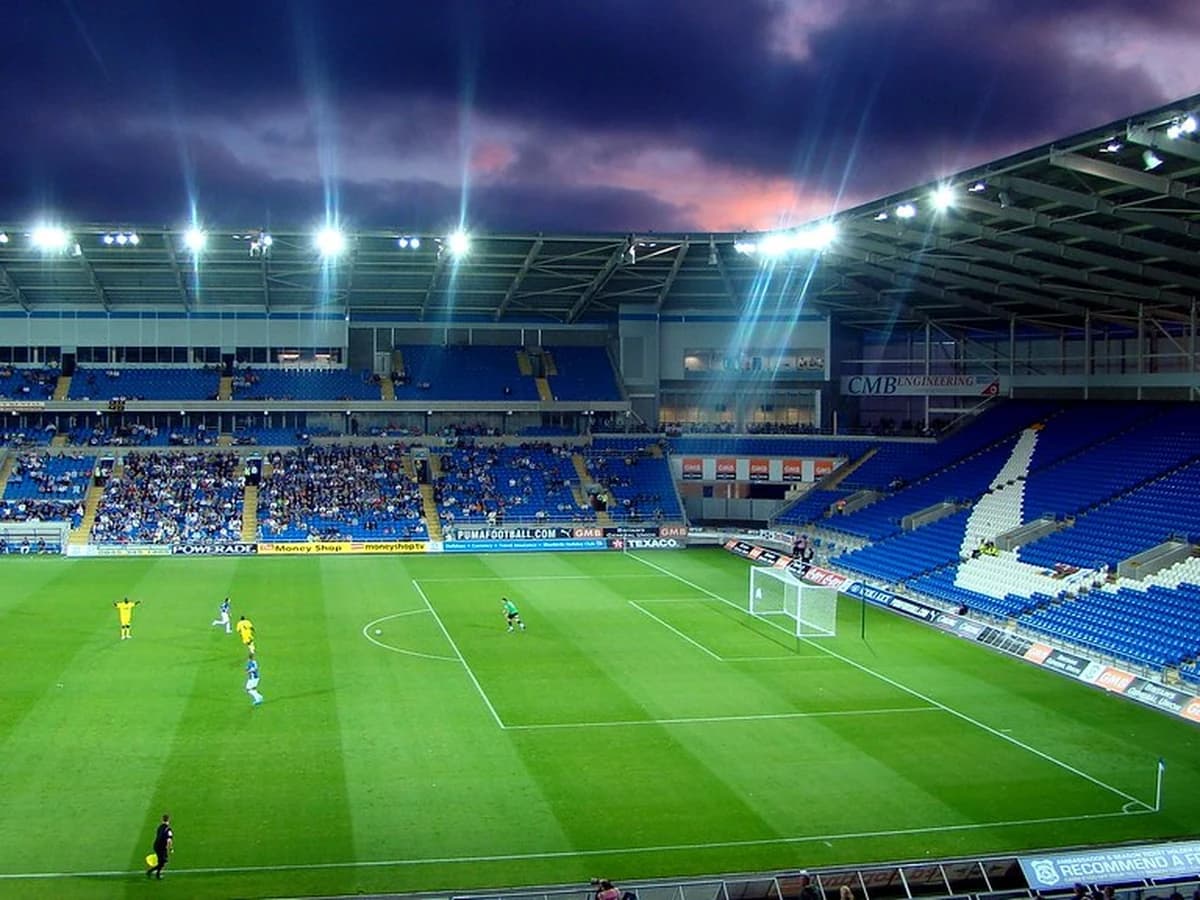
Every football preview show leads with the same graphic: the last five results, shown as a row of green, grey and red boxes. It's an easy visual, but it's also one of the least reliable predictors of how a team performs next. Form guides built purely on results ignore the single biggest variable that actually shapes them: the strength of the opposition faced along the way.
Strength of Schedule Changes Everything
A five-match win streak against weak opposition tells you far less than two losses against top-half sides. Strength of schedule has to be baked into any form read, because a run of fixtures against struggling teams can flatter a squad that's actually declining, while a tough run of fixtures against strong opposition can mask a team that's quietly playing well.
A simple fix is to weight each result by the opponent's league position at the time the match was played, not their current position. A win over a team that has since collapsed in form still counts as a strong result if it happened when that opponent was playing well.
Why Underlying Numbers Beat the Scoreline
Expected goals, commonly shortened to xG, trends smooth out the variance in a way the scoreline alone can't. A team can lose 2-1 while dominating the underlying numbers, and that tends to regress upward over the following few matches as the finishing luck evens out. Conversely, a team grinding out 1-0 wins while being heavily outplayed on the underlying numbers is a strong candidate to see results deteriorate soon.
- Compare a team's actual goals scored against their expected goals over the last six to eight matches, not just the last five.
- Look at expected goals conceded too, since a team riding a hot goalkeeper can mask a genuinely leaky defence.
- Weight results by opponent strength at the time the match was played rather than the opponent's current league position.
- Separate home and away underlying numbers, since the gap between the two is often larger than the raw results suggest.
- Check whether recent results have been driven by set pieces or open play, since set-piece form can be more volatile match to match.
Home and Away Splits Deserve Their Own Read
Home and away splits matter more in football than almost any other major sport. We always separate the two before drawing any conclusion from a form table, because a team can be genuinely strong at home while being well below average on the road, and blending those two records into one overall form line hides a distinction that matters enormously for pricing an upcoming fixture.
This is particularly important for teams with a small, tightly packed home ground or a fanbase known for a loud atmosphere, where the home boost tends to be larger than league average. It's also worth checking whether a team's away form has been distorted by a run of fixtures against the division's strongest sides, which is common for mid-table teams whose fixture list isn't evenly balanced across a season.
Injuries and Squad Rotation Inside a Form Read
A form guide built purely on results also misses squad continuity entirely. A team that ground out three wins with a full-strength squad is in a very different position heading into the next match if two key starters are now injured or suspended. We always cross-check a form line against the expected starting eleven for the upcoming fixture before trusting it fully.
- Check whether recent good form coincided with a settled starting eleven or a period of heavy rotation.
- Note any suspensions accumulated through yellow cards that will force a lineup change for the next match.
- Look at minutes played by key attacking players over the last month, since fatigue can quietly erode late-season form.
- Cross-reference a team's press conference injury updates rather than relying on outdated squad news.
- Weight a comeback win less heavily if it came against ten men following an early red card for the opposition.
Common Mistakes When Reading a Form Table
One frequent mistake is treating a comeback win as equally strong evidence of form as a comfortable win from the opening whistle. A team that conceded first and needed a late goal to rescue a result is showing something different about its underlying performance than one that led comfortably throughout, even though both appear as identical wins in the results column.
Another is ignoring fixture congestion when reading a hot streak. A run of good results achieved with a full week of rest between matches doesn't necessarily predict how that same squad performs during a congested run of matches three or four days apart.
A Repeatable Weekly Form Review
Running the same short review every week, checking schedule, opposition strength, and underlying numbers before glancing at the results column, keeps a form read honest and repeatable rather than reactive to whichever headline result stands out.
- Check rest days since the last match for both sides before weighting a recent result too heavily.
- Note whether a result came from a comfortable lead or a late rescue, since both count identically in the results column.
- Cross-check underlying expected goals numbers against the actual scoreline for the last three matches.
- Separate home and away form explicitly rather than blending both into one overall record.
- Review your own form-based predictions after each weekend to see which factors are actually driving your accuracy.
None of this means the five-box form graphic is useless. It's a starting point, not a conclusion. Layer in strength of schedule, underlying numbers, the home and away split, and squad continuity, and you end up with a form read that actually predicts what happens next far better than the raw results alone.
It's also worth remembering that form guides are a starting point for a conversation, not a final answer. Combining a results-based view with the underlying numbers, the schedule context, and the squad news gives a far more complete picture than trusting any single input on its own, no matter how convincing that input looks in isolation.
Like what you read?
Register now and put today's slate to work.