Braking Points and Riding Style: What Really Separates MotoGP Riders
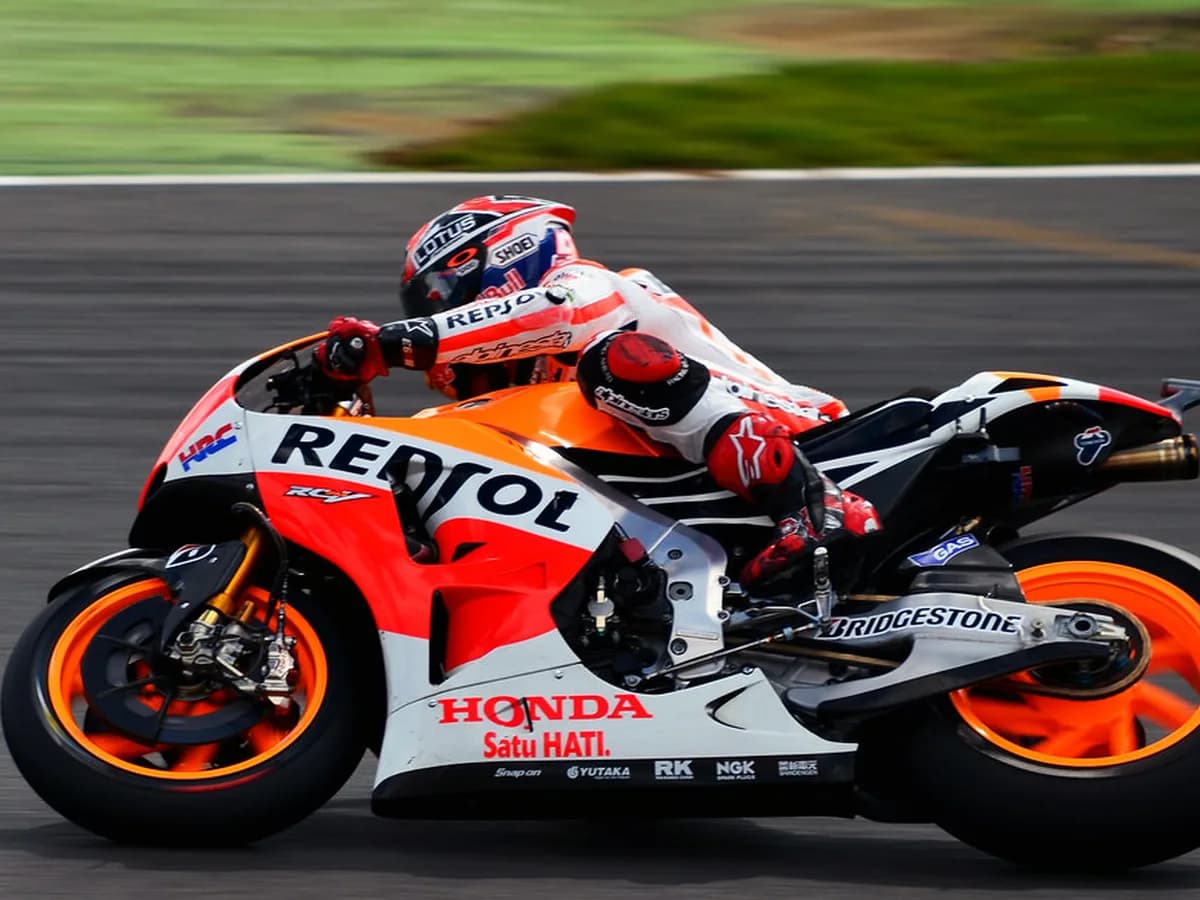
MotoGP broadcasts love a full-lean, knee-and-elbow-down shot, and it is genuinely spectacular to watch. But lean angle is mostly a byproduct of corner speed, not the thing that actually separates the front of the field from the back of it. The real differentiator, session after session, circuit after circuit, is what happens in the two or three seconds before that lean angle is even reached: the braking phase.
Why Braking Is the Real Skill Gap
Braking a MotoGP bike from top speed down to corner-entry speed, on two wheels, with a rear tyre trying to lift off the ground under maximum deceleration, is one of the hardest skills in motorsport to execute consistently. A rider who can brake even a fraction of a second later than a rival, while still hitting the same entry speed and line, is generating a genuine, repeatable advantage lap after lap, corner after corner, without needing a single extra horsepower from the bike underneath them.
This is also why braking markers matter more for race pace than for a single qualifying lap. A rider can occasionally overextend a braking point once, on a fresh tyre with everything to gain, and get away with it. Doing that consistently over twenty laps on a tyre that is losing front-end grip by the minute is an entirely different challenge, and it is where the genuinely elite braking riders separate themselves from riders who are merely fast in short bursts.
Late Braking Versus Corner-Speed Riding Styles
Broadly, riders tend to fall into two overlapping camps: those who brake exceptionally late and stand the bike up hard before rotating through the corner, and those who prioritize carrying more mid-corner speed with a smoother, earlier brake release. Neither approach is universally superior. Which one wins on a given weekend depends heavily on the circuit layout, the tyre's working characteristics, and how the track surface is evolving across the weekend.
- Late-braking riders tend to gain the most at circuits with long straights into tight, slow corners.
- Corner-speed riders tend to gain the most at flowing circuits with fast, connected sequences of turns.
- A tyre with a stronger front-end profile generally favors late-braking styles more than a softer front construction does.
- Track surface grip evolving across a weekend can quietly shift which riding style is working best by Sunday.
- Watch which style a rider defaults to under pressure late in a race, since fatigue often erodes the riskier of the two approaches first.
How This Shapes Head-to-Head Battles
Riding style compatibility, or the lack of it, explains a lot of the closest and most entertaining on-track battles. Two riders with genuinely different braking approaches racing wheel to wheel often produce a fascinating tactical battle, since neither can simply copy the other's line without giving up the advantage their own style provides. A late-braking rider forced to follow a corner-speed rider through a slow section may find themselves boxed in exactly where they'd normally make up the most ground.
This dynamic is worth tracking specifically at circuits with one or two standout overtaking zones. If the corner immediately preceding the best passing spot rewards late braking, a corner-speed rider may struggle to generate the overtaking opportunity even with strong overall race pace, simply because their riding style doesn't set up the move as naturally.
A Riding Style Reading Checklist
- Note whether a rider's natural style leans toward late braking or sustained corner speed based on recent race footage.
- Match that style against the upcoming circuit's dominant corner types before judging likely pace.
- Watch for tyre construction news that might favor one riding style over the other for a given round.
- Track how a rider's preferred style holds up specifically in the closing laps of a race, once fatigue sets in.
- Consider how two riders' contrasting styles might interact in a direct on-track battle, not just their raw pace in isolation.
Common Mistakes When Judging Riding Style
A frequent mistake is assuming a rider who looks spectacular on camera, full lean angle and knee skimming the tarmac, is automatically the faster rider in that corner. Lean angle is often just a visual signature of corner speed being carried, and it doesn't always translate into the fastest exit or the strongest position heading onto the next straight.
Another is treating riding style as fixed across an entire career. Riders do adjust their approach over time, sometimes deliberately in response to a new tyre construction, sometimes gradually as a bike's aerodynamic package changes how much braking stability is available. A rider labeled a late-braking specialist several seasons ago may have shifted meaningfully since, and it's worth checking recent footage rather than relying on an outdated reputation.
Putting Riding Style Into a Race-Day Framework
The practical value here is matching riding style against circuit character before the weekend even begins, then reassessing once practice long runs confirm whether that style is actually working under this weekend's specific grip and temperature conditions. A style that should theoretically favor a rider on paper can still underperform if the track surface isn't behaving the way historical data suggested it would.
- Build a simple style profile for each front-running rider based on recent race footage rather than reputation alone.
- Cross-reference that profile against the dominant corner types at the upcoming circuit.
- Watch first practice specifically for confirmation that a rider's preferred style is working under this weekend's grip levels.
- Note any overtaking zone on the calendar that specifically rewards one riding style over the other.
- Reassess style-based expectations once qualifying and the sprint provide direct, competitive confirmation.
None of this is visible on a simple lap-time sheet, which is exactly why it tends to be underweighted by casual viewers chasing the fastest lap of the weekend. Watching how and where a rider actually brakes, rather than just how far over the bike leans mid-corner, gives a much sharper read on who is genuinely suited to a given circuit and who is riding against their own natural strengths.
It's also worth watching how a rider's braking style holds up specifically when defending a position under pressure from behind, rather than only when they have a clear track ahead. Defending a late-braking line while a rival lines up a run down the inside is a genuinely different skill from executing that same braking point in isolation, and it is one more layer worth tracking across a full season rather than a single race weekend.
Like what you read?
Register now and put today's slate to work.