How to Read a Tightening MotoGP Title Race
A comfortable championship lead and a tightening title race are two completely different betting environments, even though they can look similar on the same standings table. Once the points gap at the top narrows into single figures with a handful of rounds remaining, the incentives for every rider involved shift, and reading that shift correctly matters more than any single race result.
Why Risk Tolerance Flips as the Gap Narrows
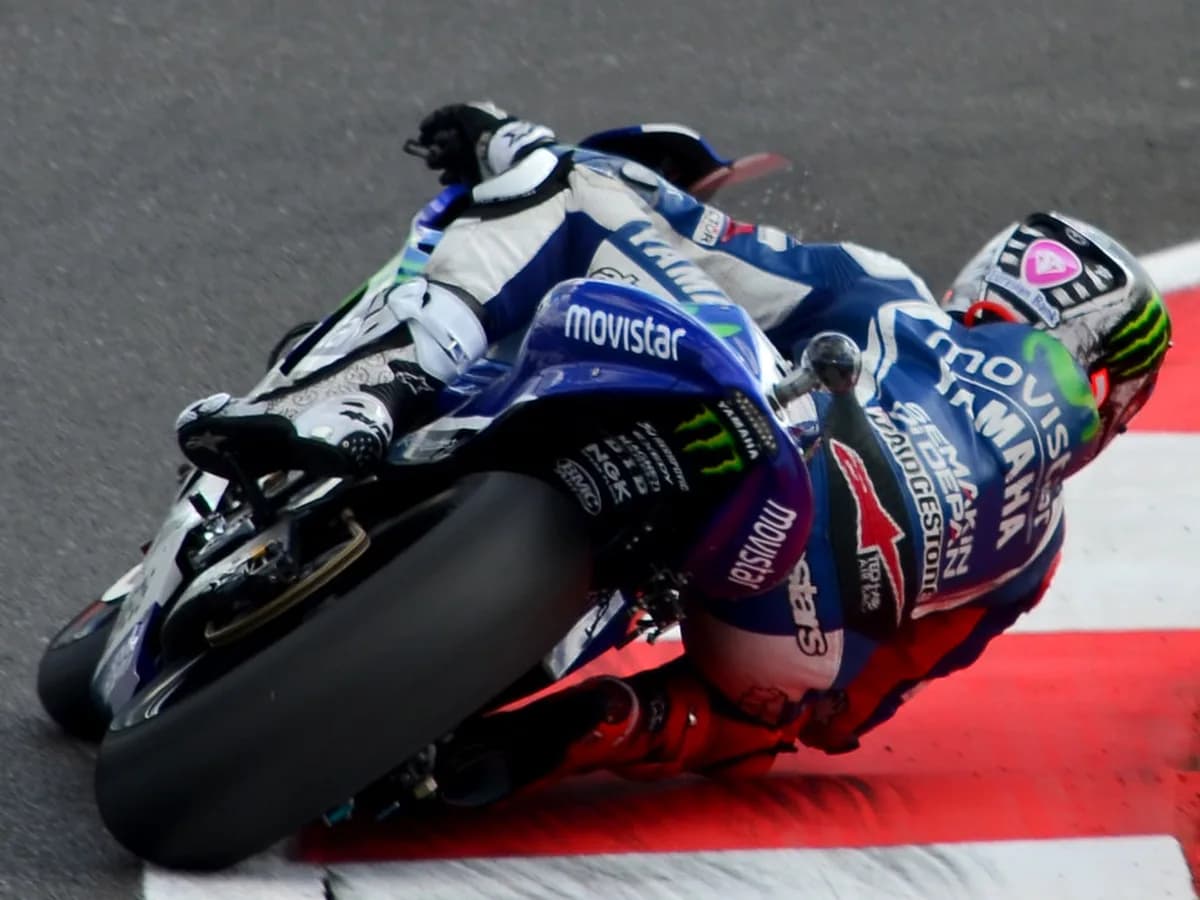
A rider with a healthy points cushion late in the season can afford to ride conservatively, banking solid finishes rather than gambling for a win that carries meaningful crash risk. A rider chasing the title from a handful of points back has the opposite incentive: a cautious ride that finishes fourth or fifth does very little to close the gap, so the calculus shifts toward taking on more risk in search of a genuine points swing.
This shows up most clearly in overtaking decisions late in a race. A rider defending a title lead is far less likely to attempt a marginal, high-risk pass for a position that doesn't meaningfully affect their championship math. A rider chasing that same title is much more likely to take the same risk, because the potential upside of closing the points gap outweighs the downside of a possible crash that costs them nothing they weren't already losing anyway.
Reading Tyre and Strategy Choices Through a Title Lens
Title context also changes how a rider approaches tyre allocation across a weekend. A rider comfortably clear at the top of the standings can afford to protect their tyre allocation conservatively across practice, prioritizing a clean, low-risk race-day setup over a headline qualifying lap. A rider under pressure from behind may burn through a soft compound chasing pole specifically because grid position matters more to their title math than it does to a rider who can win comfortably from further back.
- A title leader with a comfortable cushion tends to ride more conservatively in wheel-to-wheel battles late in a race.
- A rider chasing the title from behind is statistically more likely to attempt higher-risk overtakes for marginal position gains.
- Tyre allocation choices across a weekend often reflect a rider's title math as much as their raw pace priorities.
- Sprint race risk tolerance can differ from Grand Prix risk tolerance, since the smaller points swing changes the calculation.
- A single retirement matters far more to a rider trailing in the standings than to one holding a comfortable lead.
Why a Single Bad Weekend Means More Late in the Season
The mathematics of a tightening title race also compress as the number of remaining rounds shrinks. A retirement or a poor finish with ten rounds still to run is recoverable in a way that the same result with three rounds remaining simply isn't. This is worth factoring into how much weight to give any single result once the calendar reaches its final stretch, since the same finishing position carries a meaningfully different championship impact depending purely on when in the season it happens.
It also changes how much a rider is willing to gamble on an unconventional strategy call. A rider with nothing left to lose in the title race, mathematically eliminated but still racing for pride and results, sometimes produces the most entertaining and unpredictable performances of a season precisely because the usual title-race caution no longer applies to them at all.
A Title Race Reading Checklist
- Track the exact points gap and number of remaining rounds together, not either figure in isolation.
- Note which contenders are riding conservatively to protect a cushion versus which are pushing to close a gap.
- Watch for tyre allocation decisions that seem driven by title math rather than pure race-day pace.
- Weight retirements and poor finishes more heavily as the number of remaining rounds shrinks.
- Identify any rider effectively racing with nothing left to lose in the standings, since their risk profile changes entirely.
Common Mistakes When Following a Title Race
A frequent mistake is treating every race weekend in a title fight as equally significant, when the real pressure compounds as the season narrows toward its final rounds. A mid-season points swing and a late-season points swing of identical size carry very different psychological and mathematical weight for the riders actually living through the campaign.
Another is assuming the rider with the points lead is automatically the faster rider overall. A championship lead often reflects a combination of raw pace and simple consistency, and a chasing rider who has been unlucky with retirements can genuinely be the quicker rider on a given weekend despite trailing comfortably in the standings.
A Repeatable Way to Track a Tightening Title Fight
Building a simple running note after every weekend, points gap, remaining rounds, and each contender's visible risk tolerance in wheel-to-wheel moments, keeps a title race view grounded in the actual shifting incentives rather than a static read carried over from earlier in the season.
- Update the points gap and remaining rounds count after every single race weekend.
- Note any visible shift in a contender's risk tolerance during wheel-to-wheel battles.
- Track tyre allocation choices specifically for signs of title-math-driven decisions rather than pure pace optimization.
- Reassess retirement risk tolerance as the season enters its final rounds.
- Watch mathematically eliminated riders closely too, since their freed-up risk profile can disrupt the race for those still in contention.
A title race is never just a points table. It is a live, shifting set of incentives that changes how every contender rides, strategizes, and manages risk from one weekend to the next. Reading those incentives correctly, rather than treating the standings as a fixed snapshot, is what separates a genuinely useful title-race read from one that is already out of date by the time the next race starts.
It is also worth watching how a title fight affects riders outside the top two or three in the standings. A rider well outside genuine title contention but still fighting for a strong overall championship position can unintentionally play a decisive role, either by defending hard against a title contender trying to pass for position, or by inadvertently opening a gap that changes the entire complexion of the race further up the road.
Like what you read?
Register now and put today's slate to work.