Sepang Opens MotoGP's 2027 Pre-Season as Test Dates Are Confirmed
Event / announcement: September 2, 2026
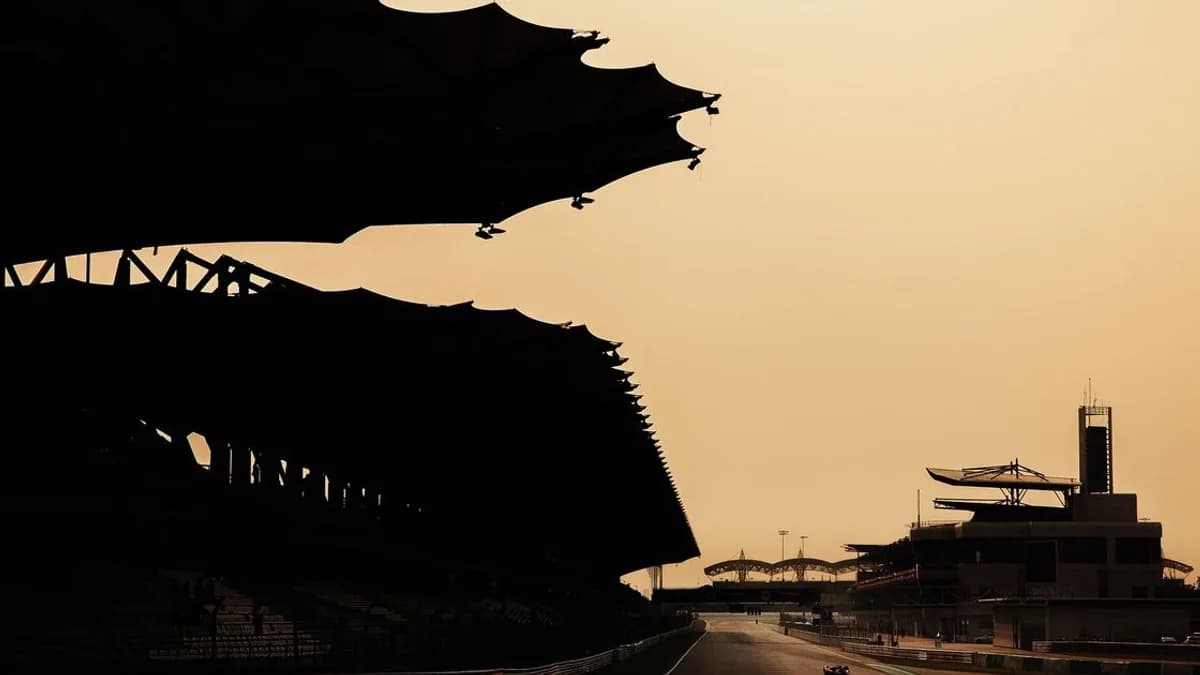
MotoGP's preparations for 2027 now have a timetable. The championship announced its pre-season test dates on 2 September, placing Malaysia at the centre of the first sustained track work of a new technical era. For supporters following the sport from Sepang, that makes the opening test programme especially interesting: these sessions will help teams understand machines built around a substantially different rulebook.
The announcement concerns preparations for next season. It establishes when testing is due to happen, while leaving performance questions for the track. Lap times, reliability and the competitive order remain unknown. The dates nevertheless offer a useful guide to how teams will move from initial checks towards race preparation.
The confirmed route to the opening race
The programme starts with the Valencia Test on 1 December 2026. Sepang then hosts a shakedown on 29–30 January 2027 for factory test riders and rookies, followed by the official test for the full rider line-up on 31 January–1 February. Buriram's test follows on 6–7 February. The season launch is scheduled for Rio de Janeiro's Botafogo Beach on 21 February, ahead of the Thai Grand Prix opener on 5–7 March.
- Valencia provides the first scheduled post-season opportunity to assess new combinations.
- The Sepang shakedown precedes the full-field test at the same circuit.
- Buriram supplies a second venue for official pre-season running.
- The launch event and opening Grand Prix serve different purposes in the calendar.
For Malaysian readers, the distinction between shakedown and official testing is particularly helpful. Seeing a rider listed for the first dates does not mean every established race rider is participating. Equally, a missing name from a shakedown results sheet cannot automatically be treated as evidence of a problem. Each part of the programme has its own intended participants and priorities.
Why the technical change raises the stakes
MotoGP's published 2027 framework reduces engine capacity from 1,000cc to 850cc, revises aerodynamic limits and removes ride-height and holeshot devices. Those changes make the test programme more than a routine opportunity to adjust an existing package. They alter the combination of forces, controls and rider inputs around which a motorcycle is developed.
From an engineering perspective, a change in one area can affect the usefulness of a solution elsewhere. A rider may need a different balance between corner entry and acceleration. Engineers may have to reconsider how they interpret feedback gathered on the previous generation. Those are analytical implications of a regulation change, rather than claims about a particular manufacturer's unpublished design.
A successful winter programme should therefore answer linked questions. Does the motorcycle behave consistently? Can the rider identify the limit clearly? Does an adjustment produce the expected response? A quick isolated lap is valuable, but a machine that responds predictably gives the team a stronger foundation for repeated development.
What Sepang can reveal
Testing at one venue creates a controlled reference point. Teams can compare different settings against the same broad track layout, then decide which changes deserve another run. The usefulness of that comparison depends on the surrounding conditions: tyre age, fuel load, track temperature and traffic can all change a lap without any improvement in the underlying motorcycle.
That is why the public timesheet is best read alongside the pattern of a rider's work. Several consistent laps may reveal more about a race setup than one fast attempt. A sequence of short runs could indicate a deliberate comparison between components. It could also reflect an interruption. Without a team explanation, either interpretation should remain provisional.
Sepang will also be an early opportunity for new rider and engineer partnerships to establish a shared language. Describing a loss of grip is only the start of the conversation. The team needs to understand where it happens, under which input and how it changes through a run. Good communication makes the following adjustment more purposeful.
Why a second circuit matters
Buriram gives teams a chance to test whether their preferred direction survives a change of venue. A setup that looks balanced at one circuit may expose a weakness elsewhere. That does not invalidate the first test; it helps identify which qualities belong to the motorcycle and which depend more heavily on the environment.
There is a practical advantage to making that distinction early. A team can avoid pursuing a setting that produces an attractive result in a narrow situation while complicating its wider race programme. Conversely, a modest-looking change may be worth keeping if it improves confidence and consistency across different demands.
Supporters should watch how teams describe their objectives between the two tests. Statements about confirming a baseline suggest a different stage of preparation from comments about choosing between major alternatives. Neither automatically predicts the championship. They help explain what the team is trying to learn.
A better way to follow the test reports
The most useful pre-season coverage connects a result to its context. Rather than treating each day's fastest rider as the new title favourite, it asks whether the evidence is comparable and whether the same strengths appear repeatedly. This approach is especially useful when a new technical framework changes the starting point for everyone.
- Compare runs of similar length before drawing conclusions about sustained pace.
- Check whether a team has explained its tyre choice or test objective.
- Treat reliability interruptions separately from ordinary setup experiments.
- Look for repeated rider feedback across both official venues.
- Keep launch presentation, testing performance and race results distinct.
The announcement gives fans a clear set of dates to follow and teams a visible sequence of milestones. What it cannot supply is the competitive answer. That will emerge through the quality of the running, the clarity of the feedback and, eventually, the demands of a race weekend. Sepang is where much of that early evidence is scheduled to take shape.
Sources
Like what you read?
Register now and put today's slate to work.