Bulega Secures Full-Time MotoGP Move with VR46 for 2027
Event / announcement: September 9, 2026
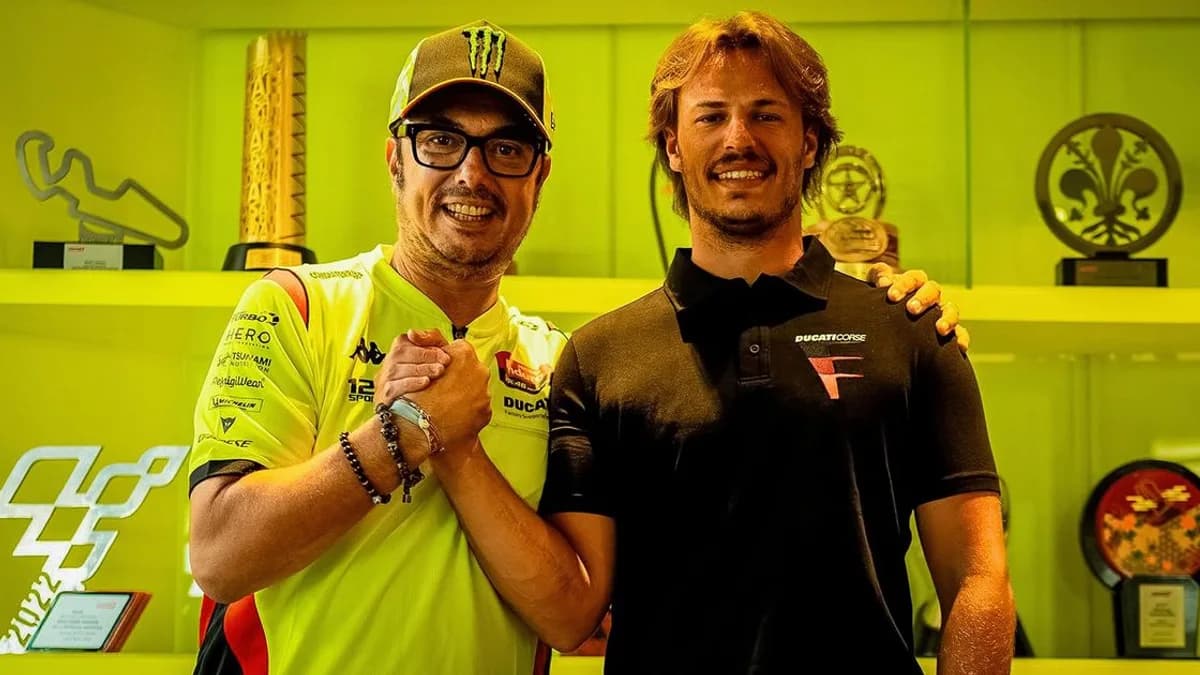
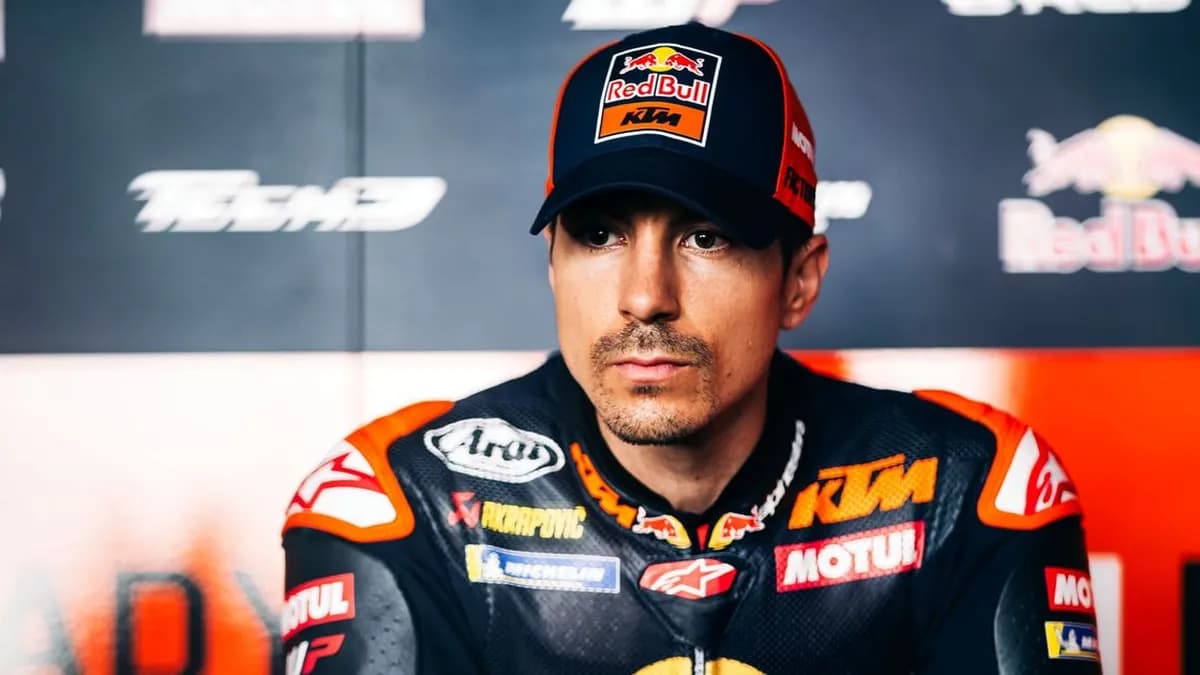
Nicolò Bulega has secured a full-time route into MotoGP. VR46 confirmed on 9 September that the Italian will join its Ducati line-up for 2027 alongside Fermín Aldeguer, adding another significant move to the rider market. The agreement also reconnects Bulega with an organisation that played an earlier role in his Grand Prix career.
The appeal of the move is clear: a rider who rebuilt his momentum in production-bike racing now receives a sustained opportunity in the premier class. The difficult part comes after the announcement. A permanent seat creates the time to develop a partnership, but it also brings the weekly responsibility of turning feedback and preparation into race performance.
How Bulega reached this opportunity
Bulega's history with VR46 stretches back to his Moto3 wildcard appearance in 2015. He subsequently raced in Moto3 and moved into Moto2 with the team in 2019. After switching to production-bike competition, he won the World Supersport title in 2023 and finished runner-up in WorldSBK in both 2024 and 2025.
His MotoGP experience already includes Ducati testing and replacement appearances for the factory team in the final two races of 2025. The 2027 agreement is therefore a move into a full-time role, rather than his first contact with a premier-class race weekend. That distinction matters when assessing what he already knows and what he still needs to establish.
- The confirmed team is VR46, using Ducati machinery.
- Aldeguer is the announced team-mate for the 2027 campaign.
- Bulega brings recent production-bike success to the project.
- Previous test and replacement duties offer experience, while a full season presents a broader challenge.
A permanent seat changes the assignment
A substitute rider's weekend often starts with a narrow objective: learn quickly, work within an existing structure and provide a useful result or assessment. A full-time rider has a longer horizon. Setup choices, training, technical communication and preparation for the next circuit become part of a continuous development process.
That continuity can be valuable for someone moving between championships. A rider can revisit a weakness after another test or compare two approaches across several rounds. The team can also learn how the rider describes a problem and which adjustments tend to produce a useful response. Progress becomes easier to track when both sides remain together.
Continuity also makes weaknesses more visible. One awkward weekend can be dismissed as a limited sample; a repeating pattern demands an explanation. Bulega's opportunity will be measured through that wider body of evidence. The announcement supplies a platform for development, while the eventual results will show how effectively he uses it.
Translating production-bike success
Winning in another category demonstrates competitive qualities without offering a direct conversion formula for MotoGP. Race preparation, concentration and the ability to explain a handling problem remain useful. The exact braking references, available grip and response to rider input may require a different approach on another motorcycle.
The analytical question is how quickly Bulega can separate transferable habits from those that need adjustment. A familiar technique can feel reassuring even when it limits progress in a new environment. Equally, changing too much at once can make it harder to identify what is working. Good development usually depends on making those choices deliberately.
This is why comparisons based only on headline results can miss the early story. A weekend with a modest finishing position might contain a useful improvement in consistency. A stronger result could conceal a recurring difficulty that traffic or circumstances temporarily masked. Both the outcome and the process deserve attention.
Familiar surroundings, new responsibilities
Returning to a known organisation gives the story a natural sense of continuity. Familiarity can make the first conversations easier, especially when people already understand a rider's personality and working habits. It cannot remove the technical work required by a new role or guarantee that previous relationships will function in exactly the same way.
The most useful form of familiarity is practical. Can the rider describe a problem directly? Can the crew challenge an initial interpretation without losing trust? Can both sides agree on a test plan and judge the result honestly? Those details are less visible than a signing photograph, but they shape a working partnership.
The announced pairing also creates an internal reference. Two riders can help distinguish a shared motorcycle characteristic from an individual preference. Differences between their feedback need not be a problem; handled carefully, they can show the engineers where the package offers flexibility and where it imposes a common limit.
What supporters should watch first
Early coverage will naturally focus on lap times and comparisons with the other Ducati riders. Those measures matter, but they become more informative when paired with the conditions of the run and the stage of Bulega's adaptation. A short test appearance and a complete race weekend ask different questions.
- Look for consistency across longer runs, alongside single-lap speed.
- Follow whether the same handling concern returns at different circuits.
- Separate familiarisation work from attempts to maximise immediate performance.
- Compare team-mate feedback without assuming both riders need identical settings.
- Judge progress across several weekends before making a broad prediction.
These are ways to assess the transition, rather than promises about its outcome. A rider can improve rapidly in one area while still needing time elsewhere. The value of a full-time agreement is that it provides a setting in which those developments can be pursued systematically.
A new stage in a winding career
Bulega's move is a reminder that a racing career need not follow one uninterrupted climb through the Grand Prix classes. A change of championship can provide a different environment in which a rider develops and earns another opportunity. That broader lesson does not reduce the difficulty of the next step.
For VR46, the signing commits a seat to a rider with a distinctive recent path. For Bulega, it creates the chance to turn occasional premier-class experience into an entire campaign. The confirmed agreement is the September news; the sporting verdict will depend on how the partnership develops once sustained testing and racing begin.
Sources
Like what you read?
Register now and put today's slate to work.