Rider Form Across Different Circuit Types
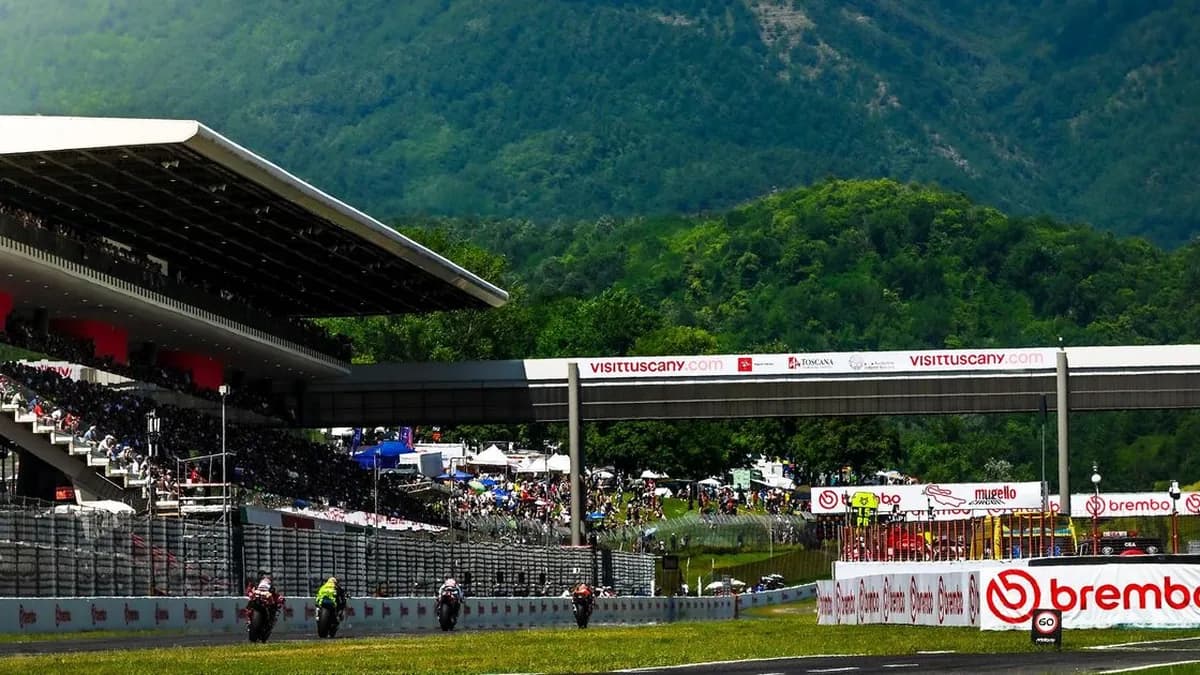
MotoGP's calendar visits an unusually wide variety of circuit layouts across a season, from tight, technical street-style tracks to sweeping, high-speed permanent circuits. That variety means overall championship form and circuit-specific form can tell two very different stories, and mixing the two up is one of the more common mistakes in reading rider form.
Why Circuit Type Changes Who Looks Fastest
High-speed flowing circuits reward a different riding style and bike setup than tight, technical tracks, and rider results can vary sharply between the two even within the same season. A rider who thrives at a flowing, high-speed circuit with long, committed corners may struggle at a stop-start, technical layout that demands hard braking and tight direction changes, and vice versa, regardless of how their overall championship standing looks.
Bike setup plays into this heavily too. A machine tuned for maximum cornering speed at a flowing circuit isn't necessarily set up the same way for a tight, technical track that prioritises braking stability and acceleration out of slow corners, and some riders adapt to that setup shift more smoothly than others.
Building a Circuit-Type Specific Form Read
We track a rider's last three results specifically at similar circuit types, not just their last three results overall, before drawing conclusions about current form. Grouping circuits into rough categories, like high-speed flowing tracks, tight technical tracks, and mixed-character circuits, gives a much sharper prediction for an upcoming race than a rider's raw recent results across a mix of very different track types.
- Group circuits into rough categories, like high-speed flowing tracks versus tight technical tracks, before comparing rider form.
- Weight a rider's results at similar circuit types more heavily than their most recent race if the two circuits differ sharply in character.
- Note any recent setup change that might suit one circuit type better than another.
- Track qualifying pace specifically at similar circuit types, since it often predicts race performance better than overall recent form.
- Watch for a rider who's historically strong at one circuit type but has an upcoming calendar stretch weighted toward the other.
Why Wet Races Need Their Own Separate Category
Weather-affected sessions are worth setting aside almost entirely when building a circuit-type form profile. Wet-race results are their own separate category. Wet conditions introduce a completely different set of variables, tyre choice, rider comfort with reduced grip, and bike setup for standing water, that can produce results wildly different from what the same rider would achieve in dry conditions at the same circuit.
Some riders build a genuine reputation as strong wet-weather specialists, consistently outperforming their dry-conditions form when rain arrives. That skill is worth tracking as its own distinct category rather than blending it into a general circuit-type form read, since it depends more on rider comfort with low grip than on the circuit's layout itself.
A Circuit-Type Form Checklist
- Categorise upcoming circuits by type before comparing a rider's recent results against them.
- Weight circuit-type-specific results more heavily than a rider's single most recent race if the two differ in character.
- Set aside wet-race results as a separate category rather than blending them into a general form read.
- Note recent setup changes and how they might favour one circuit type over another.
- Track qualifying pace by circuit type as an additional, often more predictive signal than race results alone.
Common Mistakes When Comparing Rider Form
A frequent mistake is comparing two riders' recent results without checking whether they raced at similar circuit types. A rider coming off a strong result at a flowing, high-speed circuit isn't necessarily in better form than one who had a quieter result at a tight, technical track that simply doesn't suit their bike or riding style as well.
Another is blending wet and dry results into one general form read. A rider's reputation as a strong wet-weather performer says very little about their dry-conditions pace, and treating the two as the same signal muddies what should be two clearly separate categories of form.
A Repeatable Circuit-Type Comparison Process
Grouping recent results by circuit type and weather condition before comparing riders head to head produces a far more accurate form read than a simple glance at the last three results in the standings.
- Categorise each rider's recent results by circuit type before making any head-to-head comparison.
- Keep wet and dry results in entirely separate categories rather than blending them into one general form line.
- Note any recent setup change and which circuit type it seems best suited to address.
- Track qualifying pace by circuit type as an additional, often more predictive signal than race results alone.
- Reassess your form view specifically before a stretch of similar circuit types on the calendar.
Treating every circuit as interchangeable when reading rider form misses a huge amount of useful signal. Once results are grouped by circuit type and wet-weather results are set aside separately, a much clearer and more genuinely predictive form picture usually emerges.
It's also worth factoring in how a rider's physical condition following a recent injury can interact with circuit type specifically. A rider returning from a wrist or shoulder injury, for example, might struggle more at physically demanding, high-speed circuits that load the upper body heavily through fast direction changes, while showing little difference in form at a smoother, more flowing layout. Cross-referencing recent injury history against upcoming circuit type adds another useful layer to a circuit-specific form read.
Bike manufacturer characteristics are worth folding into this picture as well. Some manufacturers build machines that are historically stronger at flowing, high-speed circuits, while others are tuned more for hard braking and acceleration out of tight corners, and a rider's form swings can sometimes reflect their equipment's natural strengths as much as their own current form. Keeping a simple mental note of which circuits have historically favoured which manufacturer adds one more useful layer on top of the rider-specific and weather-specific categories already covered above, and it's a habit worth building carefully over several full seasons rather than from a single year of results alone.
Like what you read?
Register now and put today's slate to work.