Slipstream Battles: Reading a Late-Race MotoGP Pack
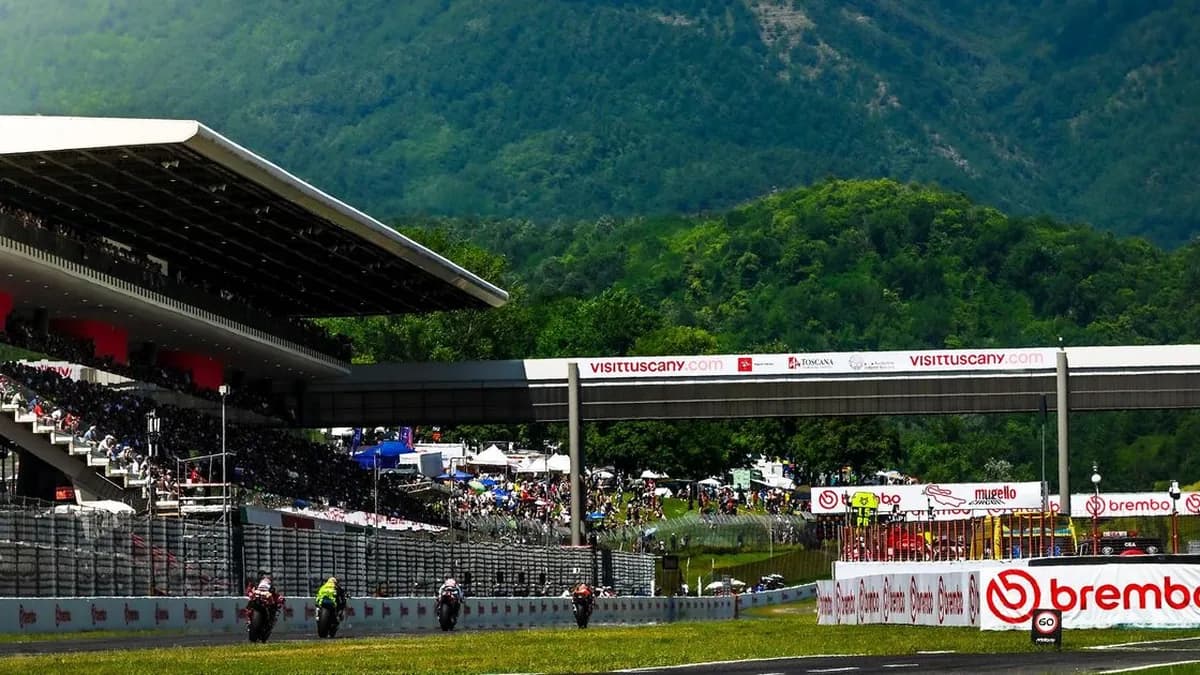
A rider comfortably clear at the front of a MotoGP race is racing a fundamentally different event to a rider buried in a tight, six-bike pack fighting for the same position lap after lap. Slipstream effects, tyre wear from constant close-quarters riding, and the sheer unpredictability of a bunched group all combine to make a close pack battle one of the hardest situations in the sport to price confidently.
How the Draft Actually Works on Two Wheels
Riding directly behind another bike reduces aerodynamic drag, letting a following rider reach a higher top speed for the same throttle input, which is exactly why a rider sitting second or third in a tight group can often out-drag the bike ahead of them onto a long straight. This effect is strong enough that riders in a close pack will actively sacrifice track position mid-corner specifically to set up a better slipstream run onto the following straight, rather than simply defending the fastest line through the corner itself.
This is part of why leading a tight group late in a race is often a disadvantage rather than an advantage. The rider out front is doing all the aerodynamic work and setting the pace, while the riders tucked in behind are conserving energy and building toward a slingshot move at exactly the moment it matters most, typically on the run to the final corner or the finish line itself.
Why Tyre Wear Compounds Inside a Pack
Riding in close proximity to other bikes for extended periods also affects tyre temperature and wear in ways that riding alone in clean air does not. Constant small throttle and braking adjustments needed to hold a position in a tight group, along with reduced clean airflow reaching the tyres, can accelerate degradation for riders stuck mid-pack compared to a rider who has broken clear and is managing their tyre in isolation.
- A following rider gains a genuine top-speed advantage from reduced drag, which is why late slingshot passes cluster near the finish.
- Leading a tight group late in a race is often a tactical disadvantage rather than a position of strength.
- Tyre wear can accelerate for riders stuck in a bunched pack compared to a rider managing tyres alone in clean air.
- Riders inside a tight pack sometimes sacrifice a corner's ideal line specifically to set up a stronger run on the following straight.
- A pack that stays bunched deep into the closing laps often produces a less predictable finishing order than a race with clear track position.
Reading When a Pack Is Likely to Break Up
Not every tight group stays bunched all the way to the finish. Packs tend to break apart once tyre degradation differences between riders become large enough that the fastest remaining rider can simply ride away from the rest despite giving up any slipstream advantage in doing so. Watching lap-time consistency within a group is a useful early signal: a pack where lap times are still tightly matched lap after lap is likely to stay bunched, while one where a single rider starts posting noticeably quicker laps is a candidate to break clear before the finish.
Circuit layout matters heavily here too. A circuit with one long straight and a single clear overtaking zone tends to preserve a tight pack right up to the final lap, since the slipstream battle simply resets each time through that one section. A circuit with multiple overtaking opportunities spread around the lap tends to shake a pack apart earlier, since there are more chances for a rider to break the group up decisively rather than everything being funneled into one late move.
A Pack-Reading Checklist for Late-Race Markets
- Track how tightly bunched the lead group remains lap after lap in the closing third of a race.
- Watch for a single rider's lap times pulling clear of the rest, which signals a pack that's likely to break apart.
- Note the circuit's overtaking zone layout, since a single-straight track preserves a tight pack longer than a multi-zone layout.
- Consider which riders in a group have historically strong slipstream and late-braking skills for a final-lap move.
- Reassess a market's pricing as the pack enters its final two laps, since positions can shuffle dramatically right at the line.
Common Mistakes When Betting on a Tight Pack
A frequent mistake is treating the rider leading a tight group with two laps to go as the clear favorite, without accounting for how much of a disadvantage that lead position can actually be tactically. A rider who has led a bunched group for several laps has often been doing the hardest aerodynamic work of anyone in the group, exactly the conditions that set up a late slipstream pass from behind.
Another is underestimating how much a pack's dynamics can shift on the very last lap specifically. Riders inside a tight group frequently ride more conservatively through the middle laps of a battle, saving their tyre and their most aggressive moves for the final circuit, which means the true competitive order inside a pack often isn't fully revealed until the closing sequence of corners.
A Repeatable Way to Track Pack Dynamics
Watching lap-time spread within a group, alongside the circuit's overtaking layout, gives a far more reliable read on how a tight late-race battle is likely to resolve than simply tracking whichever rider currently holds the lead position.
- Track lap-time spread within a lead group as the clearest signal of whether it will stay bunched or break apart.
- Weight slipstream and late-braking skill heavily for riders sitting just behind the lead position in a tight group.
- Note the circuit's overtaking zone count before assuming a pack will hold together until the finish.
- Watch specifically how conservatively riders manage the middle laps of a battle before its final sequence.
- Reassess in-race pricing as a pack reaches its final two laps rather than relying on the running order beforehand.
A tight pack battle is genuinely one of the harder situations in MotoGP to price with confidence, precisely because the rider leading with two laps remaining is often in a weaker tactical position than the running order alone suggests. Understanding the slipstream and tyre-wear dynamics at play turns what looks like pure chaos into a far more readable situation.
It's also worth watching how individual riders have performed specifically in tight group finishes across their careers, separate from their overall race-winning record. Some riders have a clear reputation for excelling in exactly this kind of close-quarters, late-braking, slipstream-heavy battle, while others who are excellent in clean air can look noticeably less comfortable once genuinely boxed in among a bunched group of rivals.
Like what you read?
Register now and put today's slate to work.