Antonelli Wins in Madrid as Pit-Stop Timing Costs Norris the Lead
Event / announcement: September 13, 2026
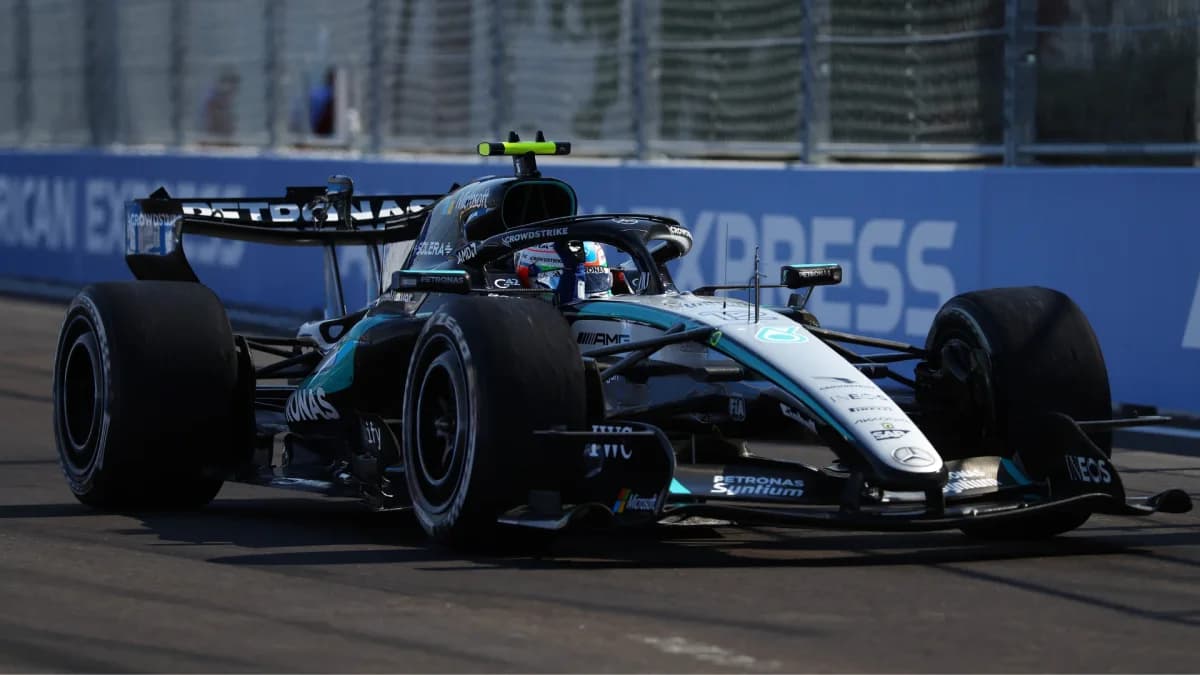
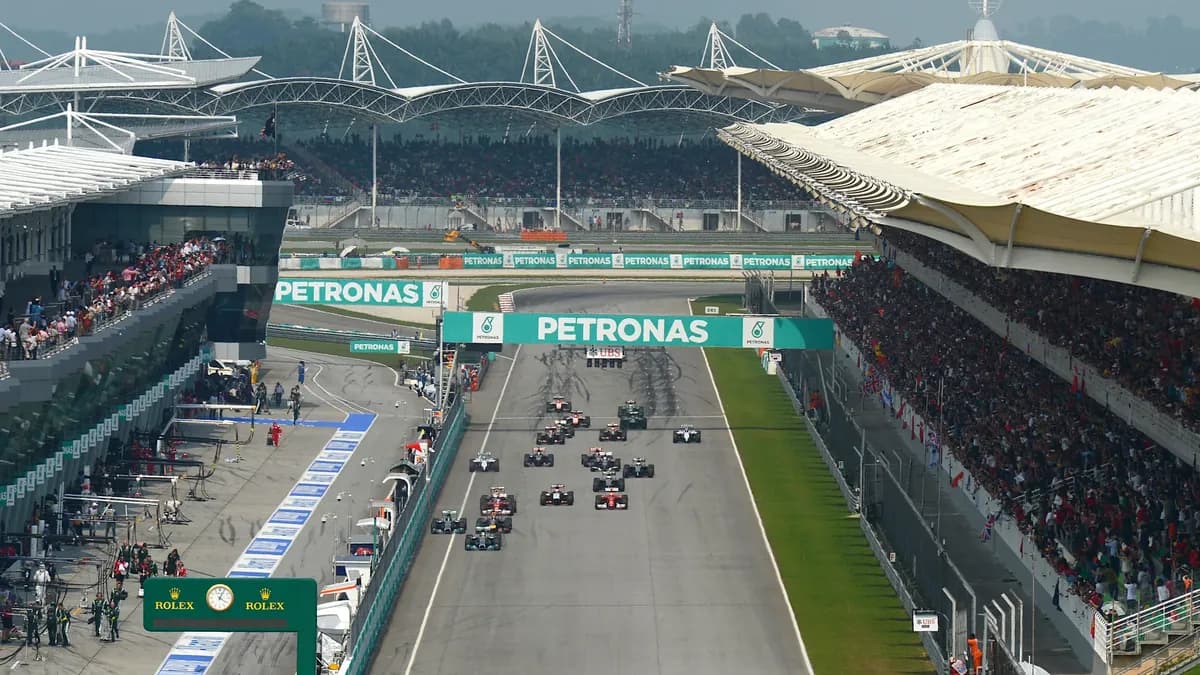
Kimi Antonelli strengthened his Formula 1 championship position with victory in the Spanish Grand Prix on 13 September, finishing ahead of Max Verstappen and Lando Norris on the sport's first visit to Madrid's Madring circuit. The result gave the Mercedes driver his eighth Grand Prix win of the season and extended his advantage over George Russell to 81 points.
This was a race in which the timing of a pit stop mattered as much as the order on the road. Norris had started from pole and held the early lead, but a Virtual Safety Car changed the strategic picture. Antonelli emerged with the net advantage, while Norris's stop left him behind both the Mercedes and Verstappen's Red Bull.
Madrid's leading finishers
- First: Kimi Antonelli, Mercedes, 1:34:23.754 after 57 laps.
- Second: Max Verstappen, Red Bull, 4.351 seconds behind.
- Third: Lando Norris, McLaren, 5.089 seconds behind.
- Fourth: Charles Leclerc, Ferrari, 29.116 seconds behind.
Norris had created the opportunity from pole
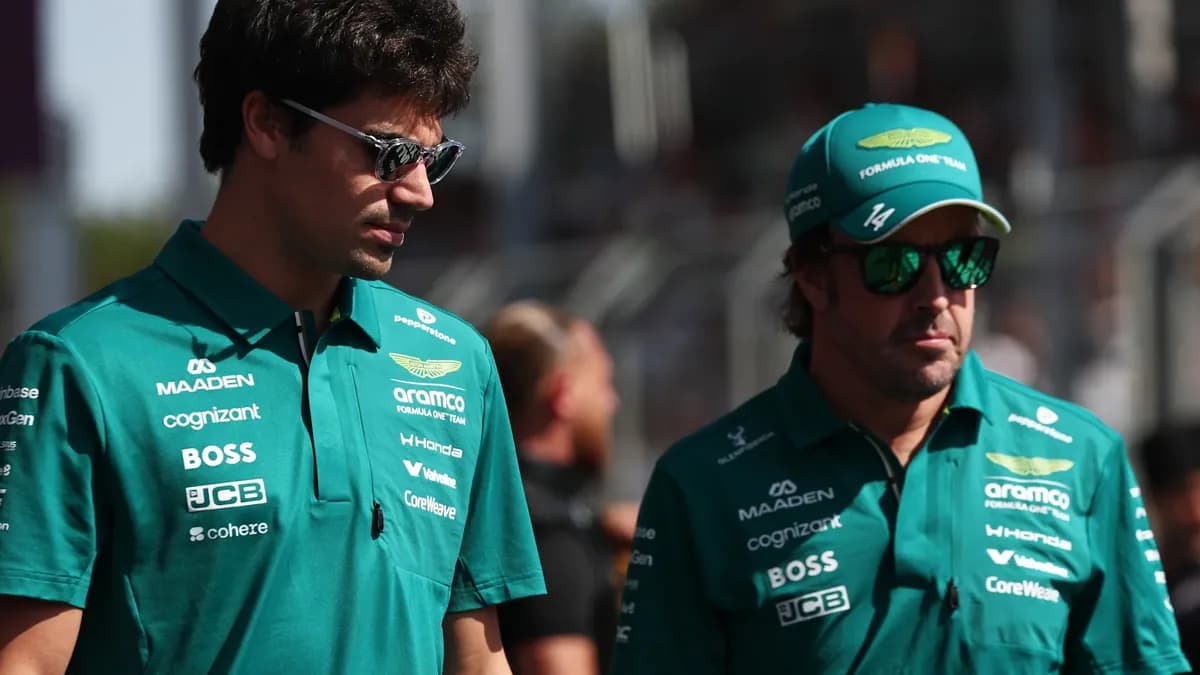
Formula 1's report describes Norris resisting Antonelli's attempts to pass during the opening sequence and then building an advantage. McLaren had a race worth protecting: the leading position and the prospect of converting qualifying success into victory. The Virtual Safety Car, deployed to recover Lance Stroll's Aston Martin, interrupted that situation.
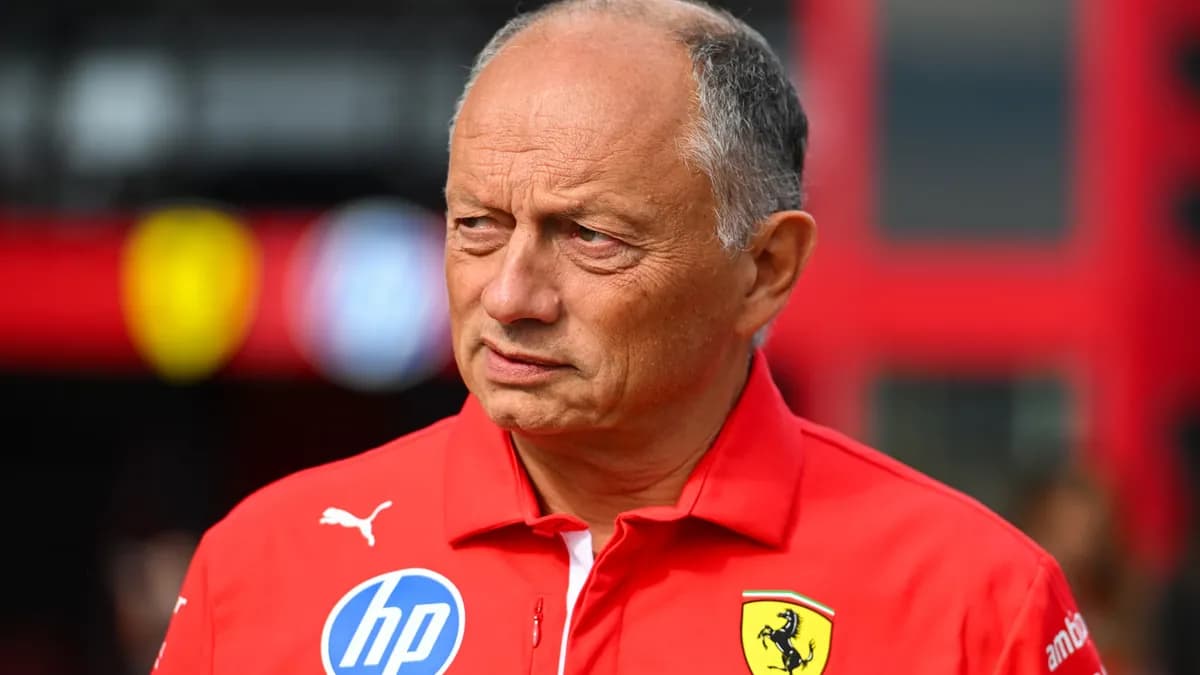
Andrea Stella subsequently explained McLaren's decision to stop Norris as the caution period ended. His account was that there was no available option that would have preserved the lead. That is a more specific explanation than simply saying the team chose the wrong moment. The timing window itself was central to the problem McLaren had to solve.
The race report also records a slow change contributing to Norris falling behind Verstappen as well as Antonelli. Those are two connected but distinct issues: when the car entered the pits relative to the caution, and how the stop was executed. Combining them into one vague statement about bad luck would lose the practical detail of how the order changed.
Analysis: why the end of a caution is so consequential
A pit stop costs time because the car leaves the racing surface, travels through a speed-limited lane and stops for service. When cars on the circuit are also travelling more slowly, part of that relative cost can be reduced. Once normal racing speed returns, the comparison changes again. The same physical stop can therefore have a different effect on track position depending on when it happens.
The difficult part is that a team makes its decision before every consequence is known. It has to account for the current position, tyre condition, the likely rejoining point and what rivals might do. A driver close to the pit entry faces a different immediate choice from one who has already passed it. The caution creates an opportunity, but that opportunity is not identical for every car.
Madrid made that asymmetry visible. Norris's earlier work had put him in front, yet the subsequent sequence transferred the advantage to Antonelli. The result is a reminder that leading on the road and controlling every strategic variable are different things. Track position is valuable, but a race continues to expose it to timing and execution.
Ferrari tried to create another route to the podium
Leclerc followed a different path. He remained out while others stopped and led 32 of the race's 57 laps. Ferrari hoped a later Safety Car might provide a more favourable chance to change tyres. With that interruption failing to arrive and Russell approaching the relevant pit window, Leclerc finally stopped on lap 48 and finished fourth.
Leclerc defended the decision afterwards, saying he would take the same strategic approach again. The important distinction is between a decision's logic and the event it requires. Ferrari chose a route that could benefit from a later interruption. The hoped-for interruption did not materialise, so the final result reflected the cost of stopping without it.
That makes the long period in the lead interesting rather than contradictory. A driver can lead many laps while still owing a stop that rivals have already completed. The visible running order then needs to be interpreted alongside the outstanding obligations. Leclerc's time at the front was real, but it was not a guarantee that the final classification would retain that order.
Antonelli converted the advantage into the result
Once in control, Antonelli still had to finish the job. Formula 1 reported concerns about his steering, but he brought the Mercedes home ahead of Verstappen and Norris. The final margins show the leading three separated by just over five seconds, with a much larger gap to fourth.
The championship consequence was substantial. An 81-point advantage is a dated post-Madrid position, not a live table, but it describes the scale of the lead Antonelli carried away from this round. It also makes the weekend more than an isolated victory: another maximum Sunday score increased the task facing the closest challenger.
The strategic lessons from the first Madrid race
- Separate timing from execution. The caution window and the duration of the stop each affected McLaren's outcome.
- Account for outstanding stops. A car leading on the circuit may still need to surrender time in the pits.
- Judge a gamble by its conditions. Ferrari's alternative depended on an interruption that did not arrive.
- Keep the finish in view. Gaining the net lead still leaves the driver with a race to complete.
Madrid ultimately rewarded Antonelli's conversion of opportunity, gave Verstappen second and left Norris with third after leading early. The first visit to the Madring therefore produced a clear result and an unusually useful comparison of three strategic situations: a leader caught by timing, a challenger who gained from it and a rival who stayed out looking for a different opening.
Sources
Like what you read?
Register now and put today's slate to work.