F1 Returns to Sepang: Bahrain Grand Prix in Malaysia Preview
Event / announcement: September 29, 2026
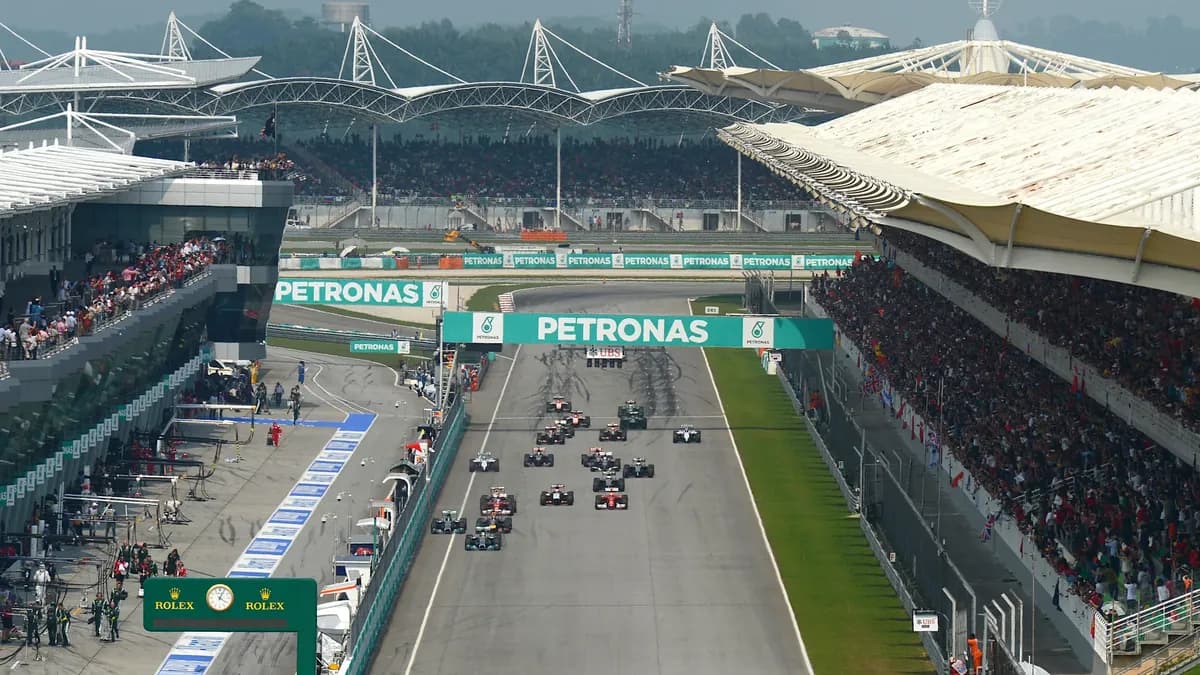
Formula 1 is coming back to Malaysia. The Sepang International Circuit will stage the Formula 1 Gulf Air Bahrain Grand Prix in Malaysia from 2 to 4 October, the 16th Grand Prix weekend of the 2026 season and the first Formula 1 race at the venue since 2017. For local fans, it is an unexpected homecoming for a circuit that was a fixture on the calendar from 1999 to 2017.
The event carries Bahrain’s name because it replaces the Bahrain Grand Prix that was originally scheduled for April. Motorsport.com reports that the April race was cancelled because of the war in the Middle East: Iranian attacks hit targets in Bahrain, including facilities near the circuit, and regional airspace restrictions made it impossible to run the weekend safely. Formula 1 and the FIA announced on 26 July that Sepang would host the replacement event, following agreement with the governments of Bahrain and Malaysia.
Session times in Malaysia
Formula 1 has published the weekend timetable, and all sessions run in daylight in local time. That makes this one of the friendliest weekends of the year for Malaysian viewers, with no late nights required.
- Free Practice 1: Friday 2 October, 12:30 Malaysia time.
- Free Practice 2: Friday 2 October, 16:00 Malaysia time.
- Free Practice 3: Saturday 3 October, 12:30 Malaysia time.
- Qualifying: Saturday 3 October, 16:00 Malaysia time.
- Race: Sunday 4 October, 15:00 Malaysia time, over 56 laps and 310.418 km.
Formula 1 lists F1 TV Pro and F1 TV Premium among the ways to watch, along with live timing on its website and app. Local broadcast arrangements can vary, so fans should confirm their preferred platform before the weekend begins.
Why Sepang made sense
The logistics explain much of the choice. The Azerbaijan Grand Prix was held on 26 September and the Singapore Grand Prix follows on 11 October. Sepang and Singapore are only about 320 kilometres apart, so slotting Malaysia between them creates a triple-header without a major detour for freight and personnel. The circuit was also purpose-built for Grand Prix racing and has long experience of hosting Formula 1, reducing the risk of a hastily arranged event.
Motorsport.com notes that Bahrain retains its status as nominal host, with Gulf Air remaining title sponsor. Races held outside their namesake country are rare but not unprecedented: the 1982 Swiss Grand Prix took place in France, and the Luxembourg Grands Prix of 1997 and 1998 were held at the Nürburgring.
A ‘golden ticket’ for the drivers
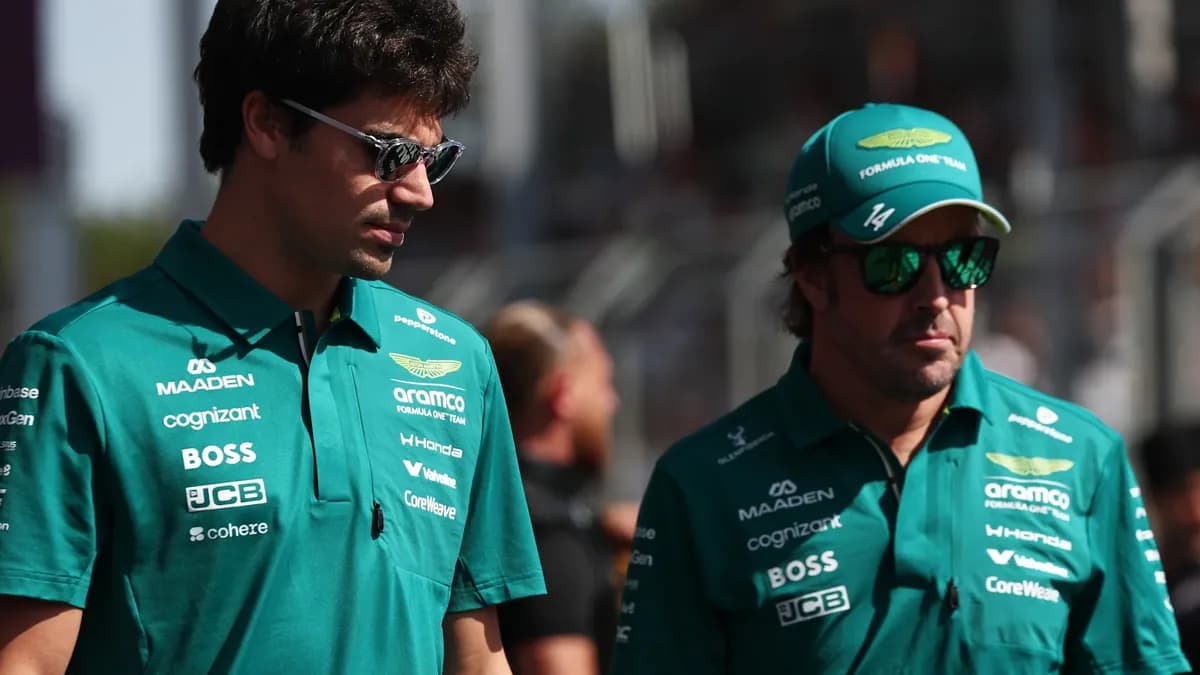
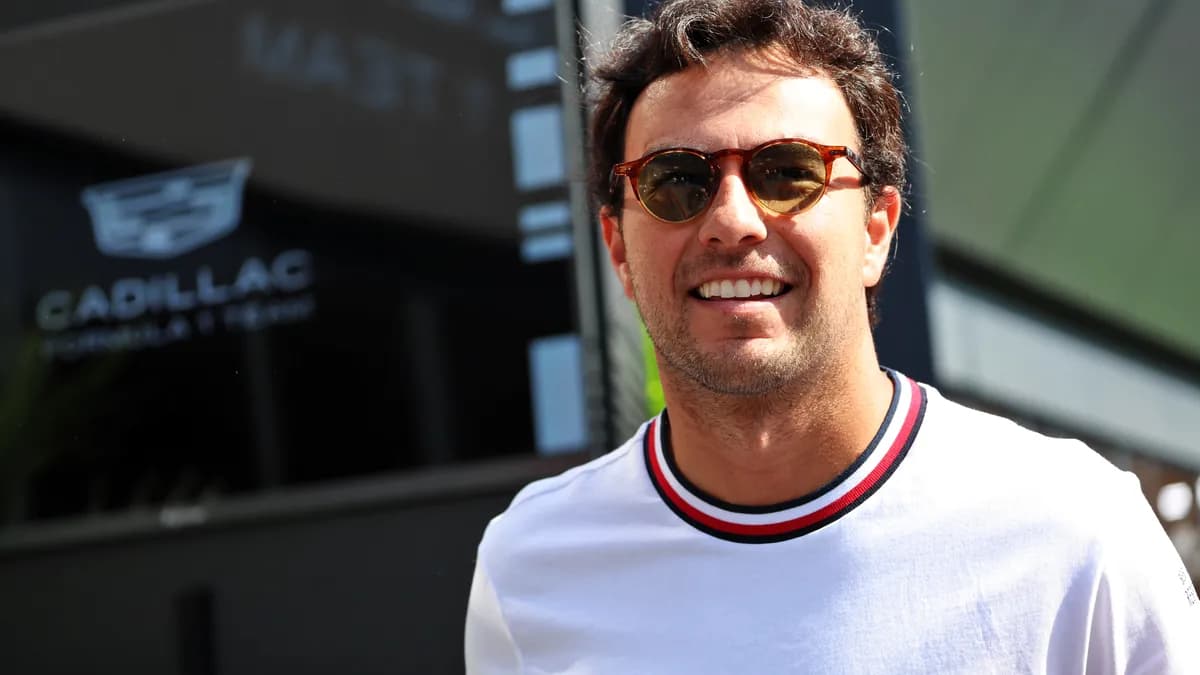
Formula 1 counts ten drivers on the current grid who have raced at Sepang before. Fernando Alonso made his first start there in 2001 and won the Malaysian Grand Prix in 2005, 2007 and 2012. Lewis Hamilton won in 2014, while Max Verstappen took the final Sepang race in 2017. Nico Hulkenberg, Sergio Perez, Valtteri Bottas, Carlos Sainz, Esteban Ocon, Pierre Gasly and Lance Stroll also have experience of the track.
Alonso described the return as a “golden ticket”, calling Sepang “an incredible circuit, demanding race, temperature, humidity – like Singapore, but in daytime.” That description captures the challenge. The layout combines long straights with fast, flowing corners, the heat punishes both drivers and tyres, and the humidity makes a 56-lap race physically demanding. Tyre degradation was traditionally a major talking point here, and that could make strategy more interesting than at several recent rounds.
Weather is the other wildcard. Formula 1 points out that the 2026 season has yet to feature a fully wet session. Afternoon storms are common around Sepang, and several past Malaysian Grands Prix were shaped by sudden rain. Nobody can predict whether it will arrive this time, but teams will need contingency plans.
Storylines heading into the weekend
- Kimi Antonelli leads the championship on 302 points, 66 ahead of Mercedes team mate George Russell after Baku.
- Russell arrives as the Azerbaijan winner, having taken pole and victory in Baku.
- Antonelli has said Mercedes plans to bring an upgrade to Sepang.
- Franco Colapinto carries a five-place grid penalty from his Baku restart collision.
- Max Verstappen has said a power-unit grid penalty must come at some point later in the season.
The championship picture adds weight to every session. Russell cut Antonelli’s lead from 81 points to 66 in Baku and said his plan is to win every race. Antonelli, after a cautious recovery to fifth, promised to get back to the right level. With a Mercedes upgrade expected, the Silver Arrows team mates will be the focus, but Red Bull showed in Azerbaijan that it can challenge, with Verstappen finishing just 0.196 seconds behind Russell and Isack Hadjar third.
Most of the grid will be learning Sepang in a modern Formula 1 car for the first time. The 2026 machines and their energy-management demands are very different from the cars that last raced here, so even experienced drivers will be discovering how the new technology behaves on the long back straight and through the fast sweepers. Free practice will therefore carry more value than usual, and teams that adapt quickly on Friday could gain an advantage.
What it means for Malaysian fans
What changes for teams returning to Sepang
Teams arrive with limited current data. None of the 2026 cars has turned a wheel at Sepang in competition, so simulation work will provide the starting point and Friday running will confirm or correct it. Energy deployment will be a key variable on the two long straights, and engineers will need to decide where to harvest and where to spend battery power over a lap. The answers found in Baku will not transfer directly, because Sepang’s high-speed corners place very different demands on the car.
Tyre management will be another focus. Pirelli has noted that one-stop races have dominated 2026, but Sepang has traditionally been harder on tyres than many venues, with high track temperatures and long, loaded corners. If degradation is higher than usual, strategy could open up and give teams more room to try different approaches. That would be welcome after a run of races in which Safety Cars, rather than tyres, have decided the strategic picture.
The physical demands are significant too. Drivers who raced here in the past remember the heat inside the cockpit and the importance of hydration. For the younger members of the grid, it will be a new experience, and preparation for the conditions has been part of their build-up. The Singapore race a week later brings similar humidity, so the Asian swing will be a sustained test of fitness.
For a generation of Malaysian supporters, Sepang is where their Formula 1 memories were formed. The return offers a chance to see the current grid in person, with daytime sessions that suit families and travelling fans. It also gives the circuit a showcase in front of a global audience. Whatever the long-term calendar holds, this weekend puts Malaysia back at the centre of the championship, in the middle of a decisive phase of the title fight.
Sources
Like what you read?
Register now and put today's slate to work.