Sainz's Madrid Homecoming Ends Early as Williams Look to Baku
Event / announcement: September 13, 2026
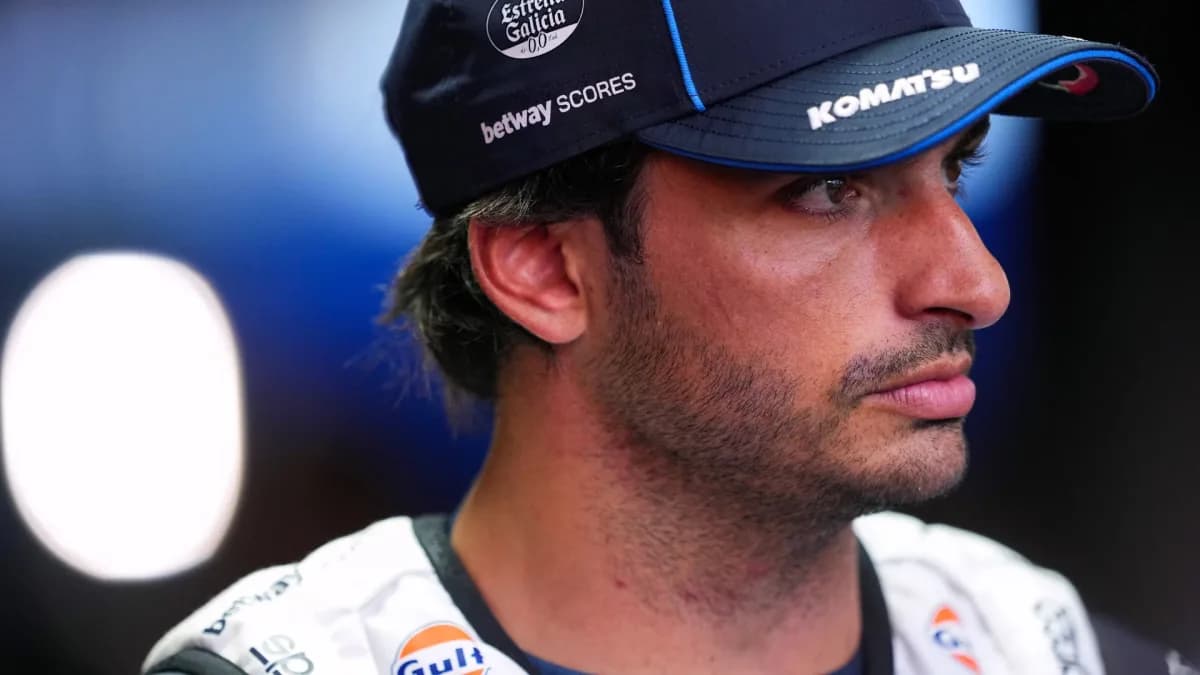
Carlos Sainz's first Formula 1 race in Madrid ended in retirement after a difficult weekend for Williams. The Spanish driver picked up floor damage in an opening-lap incident and eventually stopped after 43 laps, leaving his home event without a finish.
The problems began before Sunday. Alex Albon and Sainz qualified sixteenth and seventeenth, separated by just five thousandths of a second. A three-place penalty for impeding Valtteri Bottas then pushed Sainz further back. Williams arrived at the race with limited performance and lost more ground once contact compromised the car.
The main developments
- Sainz started twentieth after his qualifying penalty.
- Contact with Yuki Tsunoda at the first corner damaged the Williams floor.
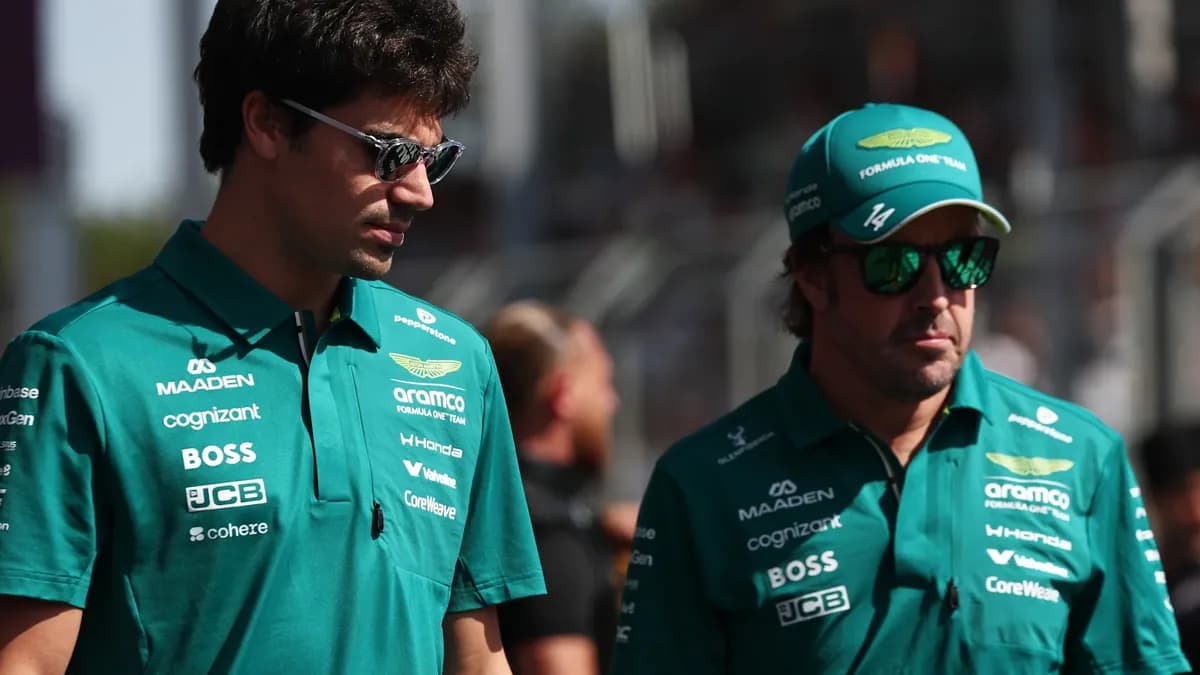
- A later incident involving Fernando Alonso brought a five-second penalty.
- The team retired the car before the finish.
- Williams was preparing an upgrade package for the following round in Baku.
Analysis: qualifying left little room for recovery
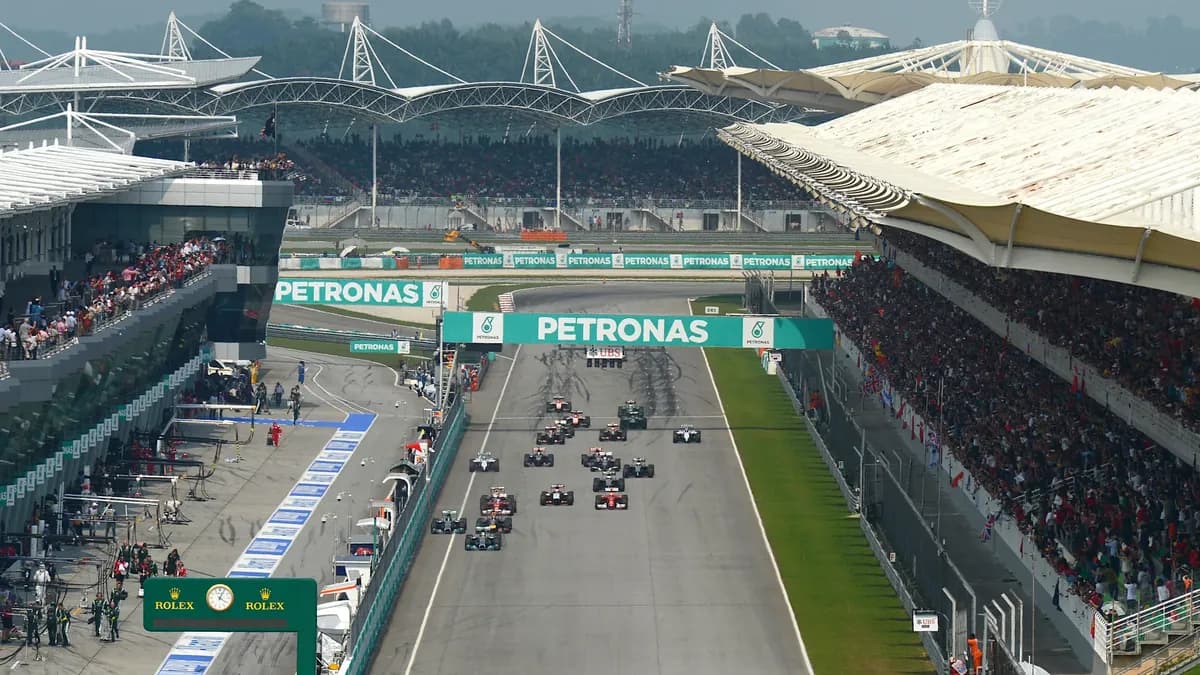
Starting near the back changes the range of opportunities available in a race. A driver is more likely to encounter traffic immediately and has fewer chances to choose an undisturbed line through the opening corners. Even a strong launch can lead into a group that is slowing rapidly as several cars compete for the same piece of track.
For a team short of pace, that creates a difficult choice. A cautious opening may leave the car trapped behind rivals with little prospect of passing them later. A more assertive approach can gain positions, but it also exposes the car to incidents before the race has settled. The decision has to be made in real time, with incomplete information about what the cars ahead will do.
The Madrid result illustrates the cost of that starting position without proving that a different first-lap choice would have produced points. Williams had already struggled to reach the competitive part of the grid. Avoiding damage would have preserved the opportunity to race with the car's full performance; it would not automatically have removed the underlying pace deficit.
Why floor damage changes the driver's job
Aerodynamic damage can make a car more difficult to judge because the relationship between speed, steering input and grip changes. A driver who expected the rear to remain stable through a particular phase of a corner may have to reduce the load or alter the line once that confidence disappears.
The loss is not always limited to the instant when the damaged part would normally contribute most. A less stable entry can delay the point at which the driver commits to the throttle. That affects the exit and can carry a disadvantage onto the next straight. One compromised section can therefore influence several parts of the lap.
It also complicates evaluation. Engineers need to separate the behaviour caused by the damage from the behaviour of the original package. Otherwise, an adjustment made to manage a compromised car can be mistaken for a solution to a problem that would not exist on an undamaged one. The race still produces information, but it has to be interpreted with that limitation in mind.
Albon's race supplies a different reference
Having a second car matters on a weekend like this because the team can compare separate experiences of the same circuit. The comparison is not perfect: traffic, tyres and race circumstances differ. It nevertheless helps identify whether a concern appears across the garage or belongs mainly to one driver's disrupted race.
Formula 1's report described Albon struggling to keep the harder tyre working effectively. That observation points towards a different question from Sainz's damage: how much performance the healthy car could generate and sustain in the first place. Those issues should be investigated separately before being combined into an overall account of the weekend.
For supporters, this is why an incident report alone can give an incomplete explanation of a team's result. Contact may account for one retirement, while the other car reveals a broader limitation. Both belong in the assessment, and solving only the visible incident does not necessarily solve the team's competitive problem.
An upgrade brings a testable question
A new package is most useful when the team knows what it is trying to improve. More potential performance is valuable, but the engineers also need to establish whether the car becomes easier to balance and whether the expected benefit appears across the relevant corners.
The first task is comparison. The driver reports what changed, the data shows where it changed and the team checks those observations against its predictions. Agreement between those pieces of evidence builds confidence. A faster lap without a clear explanation may still be welcome, but it gives less certainty about what will happen at a different circuit.
That is particularly relevant when moving from a disappointing weekend. There can be pressure to treat the next development as a complete answer. A more useful assessment asks which limitation it addresses and which work remains. Improvements often arrive in specific areas before they combine into a visibly better result.
What to watch next for Williams
- Whether the next package produces the behaviour the team predicted.
- How closely the two drivers agree about the remaining limitations.
- Whether qualifying improves enough to reduce exposure to crowded opening laps.
- How the car maintains tyre performance over representative race runs.
The home crowd gave Sainz a memorable reception, but the sporting outcome was a difficult one. Williams now has a clear set of problems to examine: the pace that placed its cars near the back, the incidents that further limited Sainz's race and the development work intended to move the team forward. Separating those issues will help the engineers decide which changes deserve the most attention. The next round will begin answering those questions through the car's performance on track.
Sources
Like what you read?
Register now and put today's slate to work.