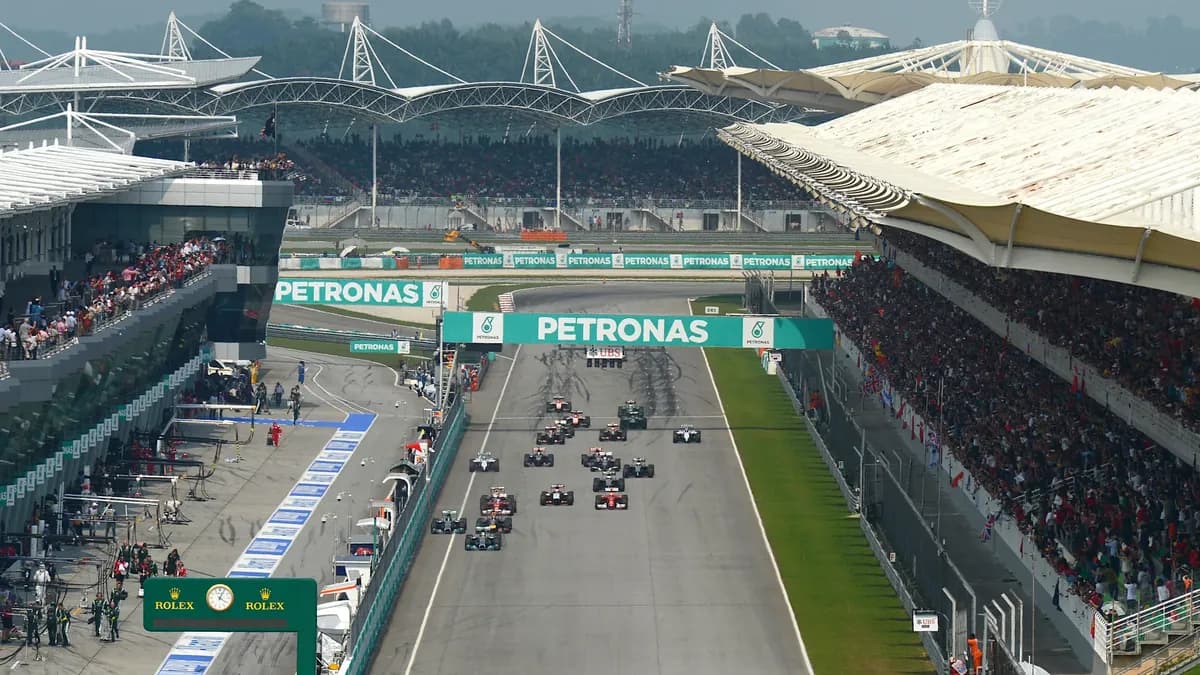
F1 Confirms 24-Race Calendar and Ten Sprints for 2027
Event / announcement: September 16, 2026
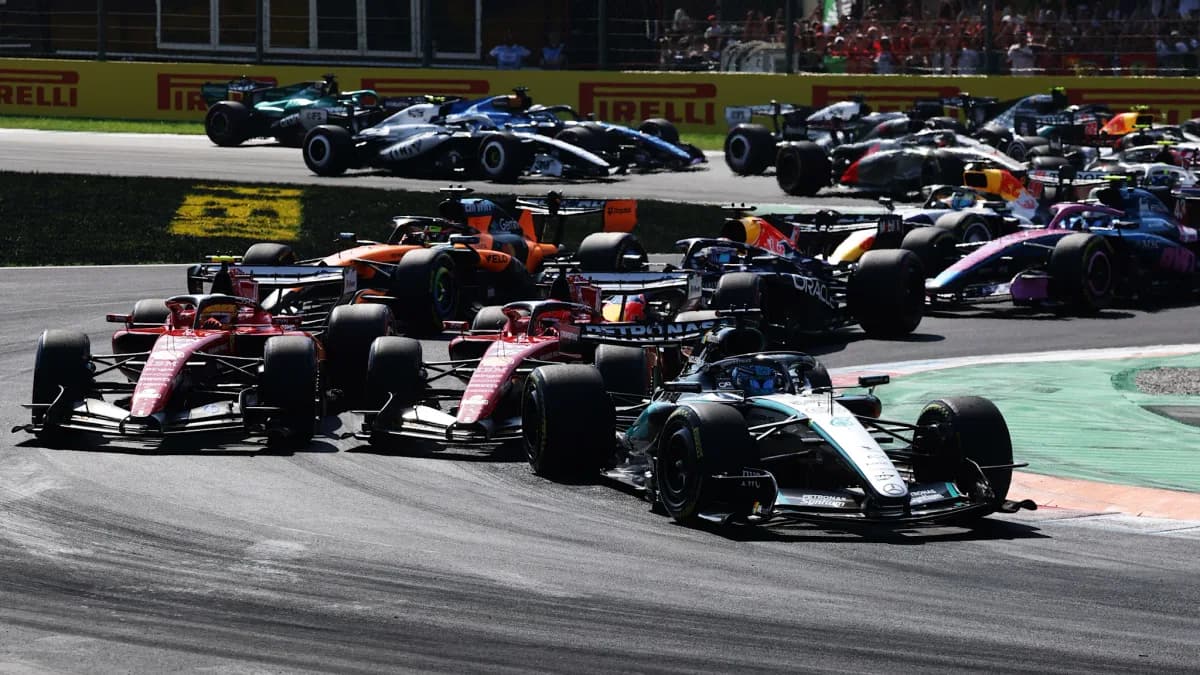
Formula 1 has confirmed a 24-race calendar for 2027, with ten Sprint weekends and the return of Portugal and Türkiye. The announcement, published on 16 September following World Motor Sport Council approval, gives teams and supporters their first complete outline of the next championship.
The season will begin in Bahrain, which also hosts pre-season testing from 24 to 27 February. Saudi Arabia follows before the calendar moves through Australia, Japan and China. The expanded Sprint programme is the other major change: more weekends will place competitive sessions earlier in the schedule, increasing the value of arriving with a car that works immediately.
The main changes
- The championship comprises 24 Grands Prix across 22 countries.
- Sprint events increase from six to ten.
- Portugal returns in June, while Türkiye rejoins in October.
- Bahrain, Australia, Japan, Monaco and Abu Dhabi will stage their first Sprints.
- The season concludes with Qatar and Abu Dhabi.
Analysis: more Sprints change the preparation problem
A conventional weekend gives a team time to discover that its initial assumptions were wrong. An early balance problem can be investigated, discussed and tested again before qualifying. A Sprint weekend compresses that opportunity. Engineers still need an answer, but the point at which the answer must become a setup decision arrives sooner.
That puts particular weight on simulator work and the information carried from previous visits. A useful simulation does not have to predict every detail perfectly. It has to identify a sensible starting range and help the team recognise which direction to take when real track conditions differ. Arriving close to the right solution can be more valuable than having a large list of ideas that cannot all be tested.
Drivers face the same pressure from a different position. They must separate a problem that needs a change to the car from one that can be addressed through driving. If both are altered together without a clear comparison, a better lap may conceal which change helped. The tighter timetable rewards concise feedback and a shared understanding of the main limitation.
Two competitive targets within one weekend
The shorter race and the Grand Prix place different demands on the same package. A car that is effective over a brief run may not preserve that advantage when fuel load, tyre condition and race duration change. Teams have to understand which strengths transfer and which depend on the particular circumstances of the shorter contest.
This creates a more interesting viewing question than simply asking whether the Sprint winner will win again. Look at how a driver built the result. Was the advantage established immediately, or did it appear only as the tyres aged? Did a clear track help, or was the driver able to follow and pass another car? Those details make the shorter race useful evidence without turning it into a complete forecast.
There is also a recovery element. A disappointing early session does not end the weekend, but it can leave a team working around compromised track position. The strongest organisations will be those that can diagnose a poor start without allowing the urgency of the situation to produce several unrelated changes.
Returning circuits add another kind of uncertainty
A return to a familiar venue is different from repeating the previous year's event. Historic experience can help identify the broad character of a circuit, but the current car must still be understood there. Information about old machinery has to be translated carefully into the demands of the new package.
For engineers, this makes the first representative laps especially valuable. They establish whether the expected balance appears in the corners that matter and whether the tyres respond as anticipated. The most useful comparison is between prediction and observation. A quick lap alone does not explain why the car was quick, or whether the same approach will work over a longer run.
Supporters will naturally compare the returning rounds with the races they remember. That history adds meaning to the venue, while the current competitive order supplies a different contest. A famous corner remains recognisable even when the cars approach it with different strengths and limitations.
The calendar is also a working schedule
The order of races affects much more than the journey taken by the drivers. Equipment must reach the next venue, damaged parts must be replaced and staff must prepare another event while reviewing the one just completed. A calendar therefore describes a sequence of deadlines as well as a sequence of destinations.
When races are close together, an improvement that is ready one event earlier can create extra opportunities to score. Equally, an unresolved problem may travel with the team because there is little time to manufacture and validate a response. The ability to decide which work deserves priority becomes part of competitive performance.
A geographically coherent sequence can reduce unnecessary movement, but it does not remove these pressures. Teams still have to manage changes in circuit demands and decide which parts of their preparation can be reused. The practical challenge is to carry useful learning forward without assuming that the next venue will reward the same solution.
What supporters should watch when planning the season
- Check the individual event timetable before assuming qualifying or the race occupies its usual slot.
- Treat early Sprint performance as evidence about specific conditions, rather than a guaranteed Sunday result.
- Follow how quickly teams understand the returning venues during their first representative sessions.
- Compare the quality of preparation across several weekends, particularly when a team repeatedly starts slowly.
For Malaysian fans, the announcement provides a framework for the year rather than a final viewing diary. Local session times and broadcast details should be checked as each event approaches. The sporting interest is already clear: the calendar gives teams more occasions when preparation will be tested under competitive pressure, and less room to rely on a long Friday to repair a weak starting point.
Sources
Like what you read?
Register now and put today's slate to work.