How Grid Penalties Reshape a Race Before It Starts
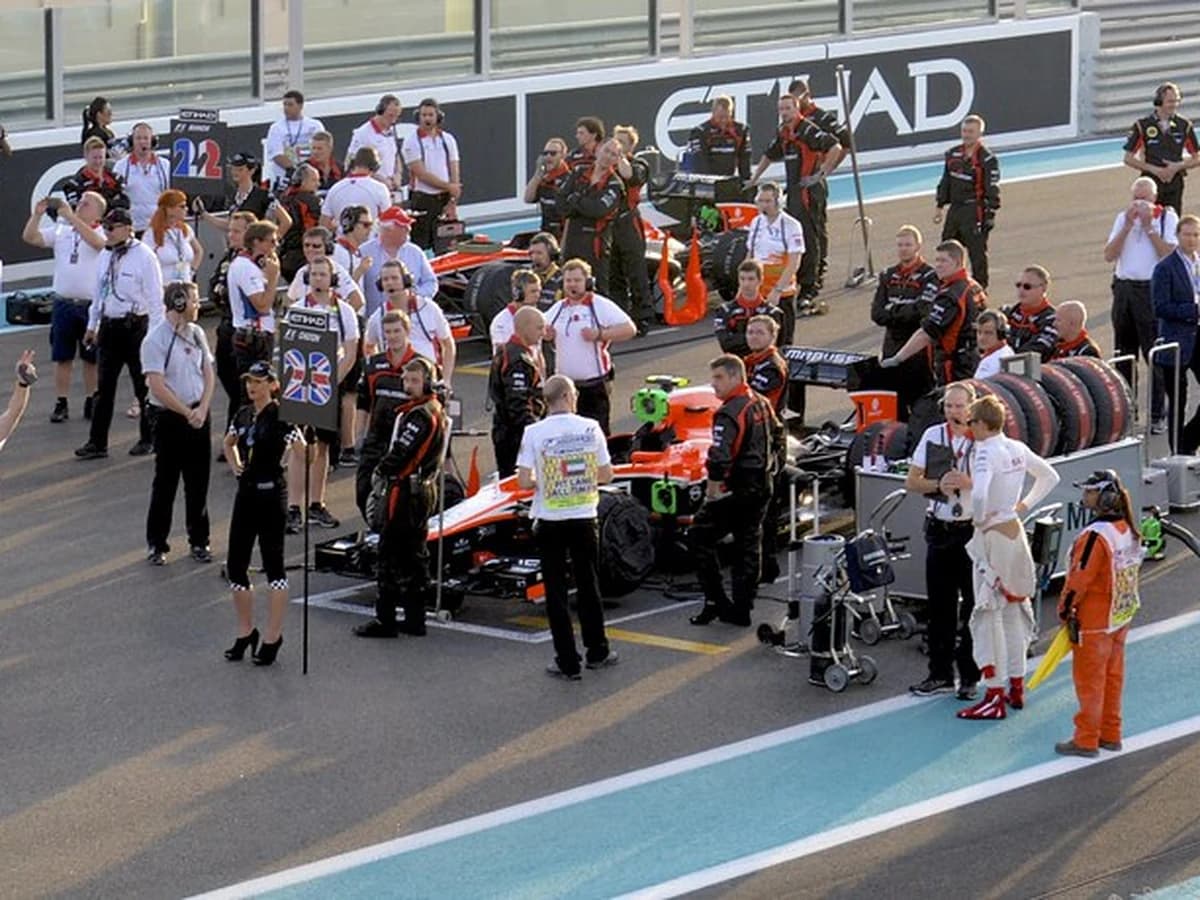
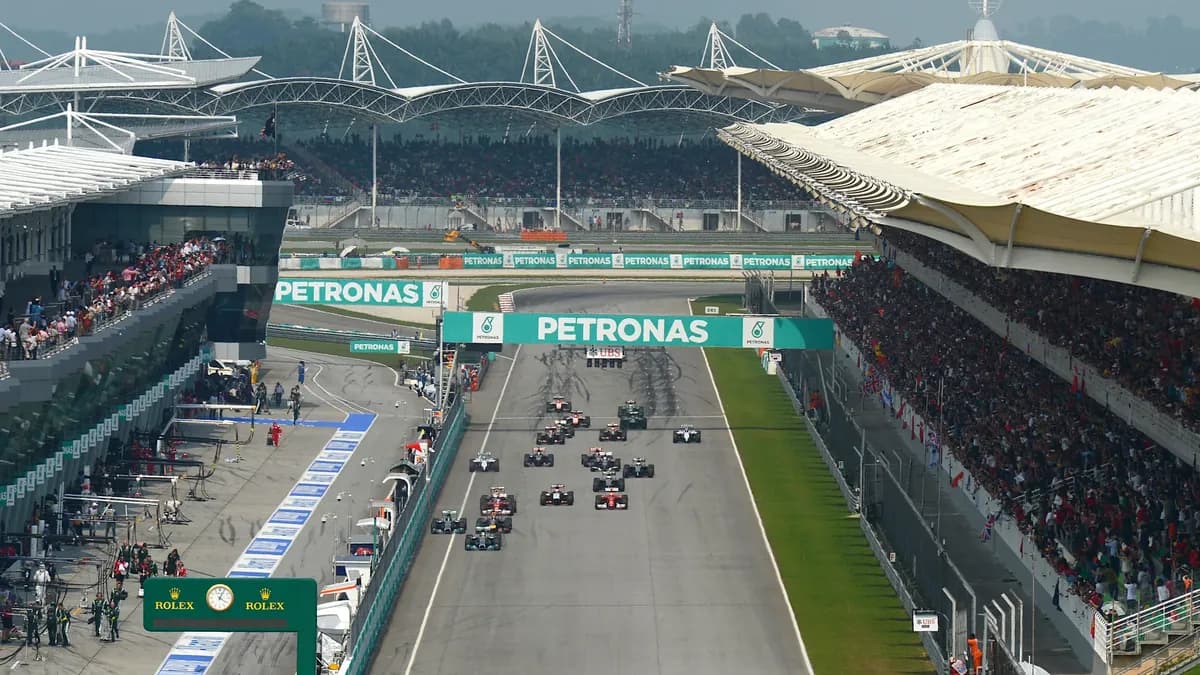
A grid penalty changes a race before a single lap has been driven, and yet it's one of the most consistently mispriced situations in F1 betting markets. Casual bettors tend to anchor on the new grid position, while sharper ones adjust for the fact that the car's underlying pace hasn't changed at all.
Where Grid Penalties Actually Come From
Engine component penalties, gearbox changes, and red flag infringements all shuffle the grid in ways that raw season form doesn't capture. Power unit elements like the internal combustion engine, turbocharger, and energy store each have an allocation limit for the season, and once a team exceeds that limit, a grid penalty is applied automatically regardless of how competitive the car actually is that weekend.
Gearbox penalties work a little differently, triggered when a gearbox is changed before it's completed the required number of races. These are usually smaller penalties, but they still drop a genuinely quick car several places down the order purely for a mechanical reason unrelated to performance.
- Power unit component penalties are the largest, often ten places or more, and stem from exceeding a season allocation limit.
- Gearbox penalties are typically smaller, around five places, for changing the unit before its required race count is up.
- Red flag infringements and other sporting penalties can apply anywhere from a grid drop to a time penalty served in-race.
- Penalties are cumulative if a driver picks up more than one in the same race weekend.
- A driver can still start from the back of the grid entirely if the total penalty exceeds the number of grid slots available.
Why Pace Should Be Weighted Ahead of Grid Slot
A car starting P8 instead of P3 because of a penalty is still the fastest car on the grid. Markets sometimes overcorrect for grid slot alone rather than underlying pace, pricing the penalised driver as a mid-field runner when their actual race pace hasn't moved at all. This is exactly the kind of gap that's worth hunting for before a race weekend, particularly at circuits where overtaking is realistic.
We treat penalty-affected races as a separate model entirely: pace rank first, grid position second. That means building a view of who's actually fastest based on practice long runs and prior form, then overlaying the grid penalty as a separate variable that affects how much of that pace advantage can realistically be converted into a good finishing position given the circuit's overtaking difficulty.
Circuit Type Changes How Much a Penalty Actually Costs
The same ten place penalty means something very different depending on where it's applied. At a circuit with wide, high-speed straights and multiple DRS zones, a fast car can recover most of that lost ground within the first ten to fifteen laps. At a tight, processional circuit with few overtaking opportunities, the same penalty can genuinely cost a driver a podium finish they would otherwise have secured comfortably.
- At overtaking-friendly circuits, a fast car can often recover a ten-place penalty within the first quarter of the race.
- At processional circuits, even a small grid penalty can be nearly impossible to overcome regardless of pace.
- Weather chaos, like a wet start or a well-timed safety car, tends to help penalised drivers recover positions faster than a clean dry race would.
- First-lap incidents are more likely to affect penalised drivers starting from a crowded midfield pack than those starting near the front.
- Tyre strategy flexibility is genuinely higher for a penalised driver, since they have less to lose by trying an alternate strategy.
Putting It Together Before You Bet
Common Mistakes When Pricing Penalised Drivers
A common mistake is treating every grid penalty as equally costly, when the circuit and the car's actual pace both matter far more than the penalty size alone. A ten place penalty for the fastest car on the grid at an overtaking-friendly circuit is a very different situation than the same penalty applied at a tight, processional track.
Another is ignoring how a penalty changes a driver's own risk tolerance. Starting from further back, a driver with genuine pace often takes more aggressive strategic gambles, like an unusual tyre choice or an early undercut attempt, precisely because they have less to lose by trying something different from the field around them.
A Repeatable Way to Price Penalty Situations
Building a simple two-step check, confirm underlying pace first, then weigh it against the circuit's overtaking difficulty, keeps penalty-affected races from being priced purely on the new grid number alone.
- Rank underlying pace using practice long runs before looking at the post-penalty grid order at all.
- Separate circuits into easier and harder for overtaking before judging how costly a given penalty actually is.
- Watch for penalised drivers attempting unusual strategies, since they often have less to lose than the field around them.
- Note how first-lap incidents tend to cluster around a crowded midfield, which can affect penalised drivers more than front runners.
- Reassess a penalised driver's price once the race is underway and their actual pace becomes clear in real time.
The practical takeaway is simple even if the underlying situation is complex. Don't take a post-penalty grid position at face value. Check where the pace actually ranked before the penalty was applied, then weigh that against how forgiving the specific circuit is for overtaking. When those two checks line up in the same direction, that's usually where the market has left value on the table.
It's also worth remembering that penalties compound differently depending on the point in the season they arrive. A penalty picked up early, before a title fight has tightened, costs far less in the bigger picture than the same penalty applied late in the year when every position is being fought over for championship points. Context matters as much as the raw grid math.
Season-long penalty tracking is also worth doing proactively rather than reactively. Knowing which drivers are approaching their power unit component limits well before a penalty is confirmed lets you anticipate a grid drop and adjust your view before the wider market has fully caught up with the news.
Like what you read?
Register now and put today's slate to work.