Antonelli Wins at Monza from 19th as Mercedes Finish One-Two
Event / announcement: September 6, 2026
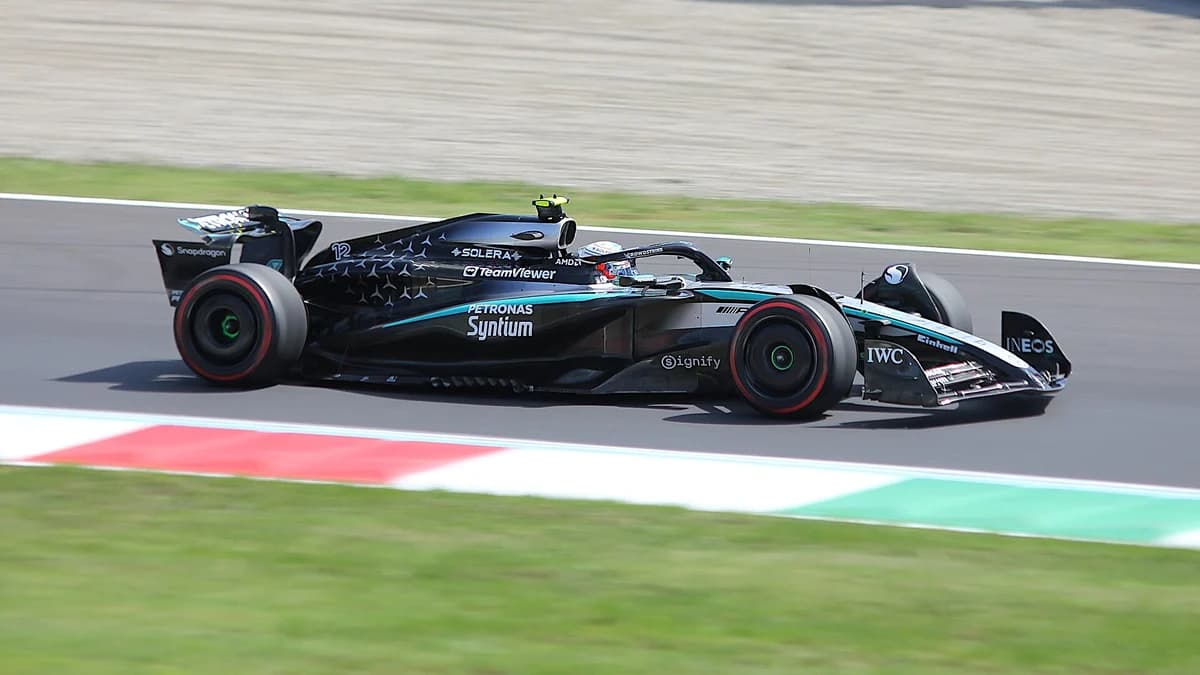
Kimi Antonelli won the Italian Grand Prix on 6 September 2026 after starting 19th following an engine penalty. The Mercedes driver passed team-mate George Russell late in the race to secure victory on home soil, with Max Verstappen finishing third.
A Virtual Safety Car period helped shape the contest. Antonelli stopped for fresh medium tyres while Russell remained on used hard tyres. Their differing tyre situations became central to the closing battle, which Antonelli ultimately won.
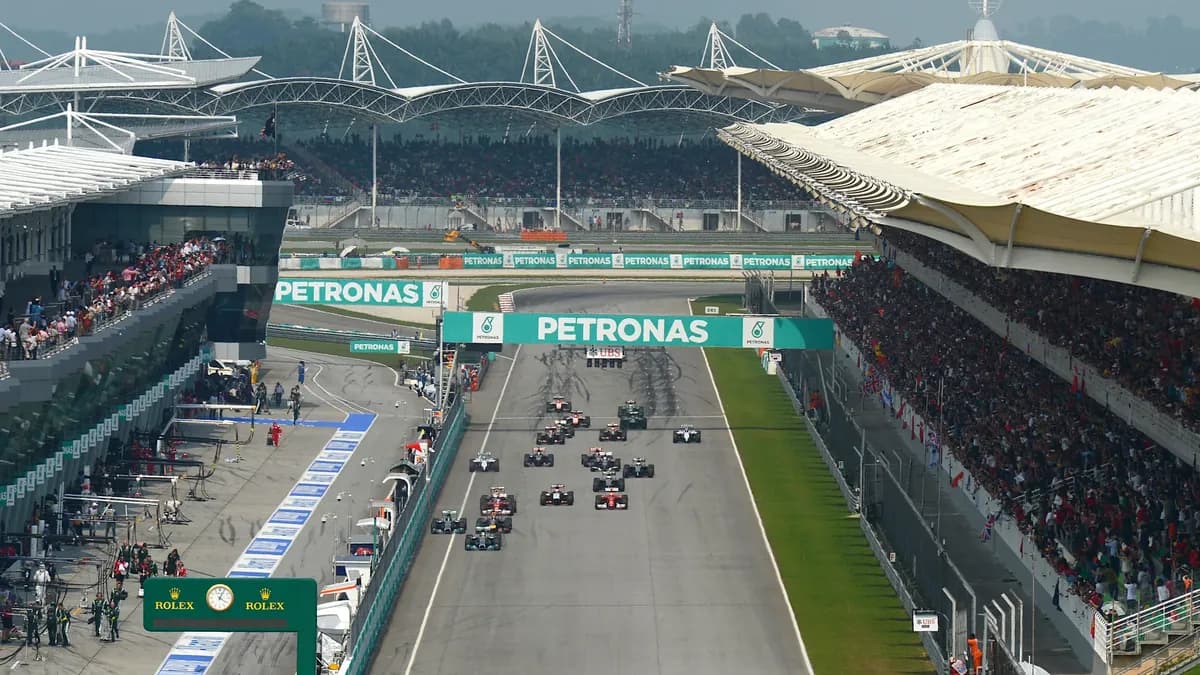
The winning margin was 3.857 seconds after 53 laps. Lando Norris and Oscar Piastri finished fourth and fifth for McLaren, ahead of Lewis Hamilton. Charles Leclerc retired after crashing on the second lap, while pole-sitter Pierre Gasly finished seventh.
The result was particularly significant because Antonelli had to recover from near the back of the starting grid. A grid penalty describes the initial disadvantage, but it does not fix the final outcome. At Monza, the combination of overtaking, pace and the tyre decision during the caution period allowed him to turn that disadvantage into a race win.
Key facts
- Podium: Antonelli, Russell, Verstappen.
- Antonelli recovered from 19th on the grid.
- Mercedes finished first and second.
P777 Sport analysis
A recovery involves more than the final position change
Moving from near the rear to the front means solving a succession of smaller contests. Each car ahead presents a different immediate problem, and an overtake that gains one position can affect the next opportunity. The headline captures the scale of the recovery, but the underlying task is repeated execution rather than a single move. That is why the starting position gives the victory additional context without explaining every step by itself.
A driver also needs to balance urgency with the cost of an error. Attempting to recover too much in one corner can end the race, while waiting indefinitely can allow the leaders to escape. Those pressures exist in recovery drives generally. The documented result shows that Antonelli converted the challenge successfully here; any detailed claim about an individual passing manoeuvre would need its own supporting evidence.
The tyre decision created two different closing races
A stop during a caution period can alter the usual trade-off between fresh tyres and track position. The team still has to consider where the car will rejoin and whether the remaining distance gives the new tyres time to repay the stop. The important point is that a pit decision is not simply a vote for newer rubber. It is a calculation about the whole race situation.
Once the Mercedes drivers were on different tyre situations, their closing tasks diverged. One had to turn the benefit of the stop into progress, while the other had to protect position with the tyres already fitted. The official report identifies that contrast as part of the outcome. It would go beyond the evidence to assign precise performance gains or to claim that an alternative strategy would certainly have reversed the result.
Team success and an internal contest can coexist
A one-two finish is a strong collective outcome, but the drivers still finish in an order. Each has an individual competitive objective as well as a place within the team result. A clear report can acknowledge both without manufacturing conflict. The contest for the win is part of the sporting story, and the fact that both cars reached the first two positions is another part.
The same balance is helpful when considering the decisions made during the race. A result can look straightforward in hindsight even when the options were uncertain at the time. Unless the available evidence establishes the full decision process, it is better to describe the choices and their consequences than declare that every alternative was obviously wrong. Hindsight explains the outcome more easily than it recreates the original uncertainty.
The home setting adds context, not a technical explanation
Winning a home race has an obvious significance for the audience and the occasion. It connects the individual achievement to the setting in which it happened. That emotional context can be reported without claiming that crowd support made the car faster or revealing feelings the driver has not expressed. The sporting evidence remains the starting position, the race progression documented by the source and the final classification.
For supporters, a recovery victory also gives the event a clear narrative shape. The initial disadvantage is easy to understand, and the final outcome contrasts sharply with it. Good reporting can preserve that shape while resisting the temptation to fill every gap with dramatic invention. The actual result is sufficiently notable without adding imaginary radio messages, private instructions or unverified mechanical details.
Why the rest of the top ten remains relevant
A major winning story can obscure the fact that several other races were happening behind it. Team-mates may finish together, a pole-sitter may end lower down the order, and a retirement may remove a car that had been prominent earlier. Recording those outcomes keeps the report useful to readers whose interest extends beyond the winner. It also creates a fuller reference for later comparisons.
A finishing position should still be kept distinct from an explanation of performance. A driver who ends seventh may have reached that result through many possible sequences. The classification tells us where he finished; a detailed evaluation needs the corresponding evidence. This article includes the established outcomes and focuses its strategic discussion on the tyre decision described in the official race account.
The points consequence of the final pass
The published race result awards 25 points to the winner and 18 to second place. That means the final order between the Mercedes drivers created a seven-point difference in their Sunday returns. If those two finishing positions had been reversed, the direction of that seven-point gain would also have reversed. This is a hypothetical comparison of the two positions, not a claim that the alternative result was inevitable under another strategy.
It explains why an internal battle can matter beyond a team securing first and second. The collective Sunday total is the same whichever driver wins, but the individual championship effect is not. Supporters following both titles therefore have two calculations to make. Monza delivered a strong combined result for Mercedes while giving Antonelli the larger individual return, making the closing contest significant even with both cars already positioned for the podium.
Sources
Like what you read?
Register now and put today's slate to work.