Lusail Circuit Guide: Kerbs, Tyre Limits and the Qatar Grand Prix
Event / announcement: February 6, 2026
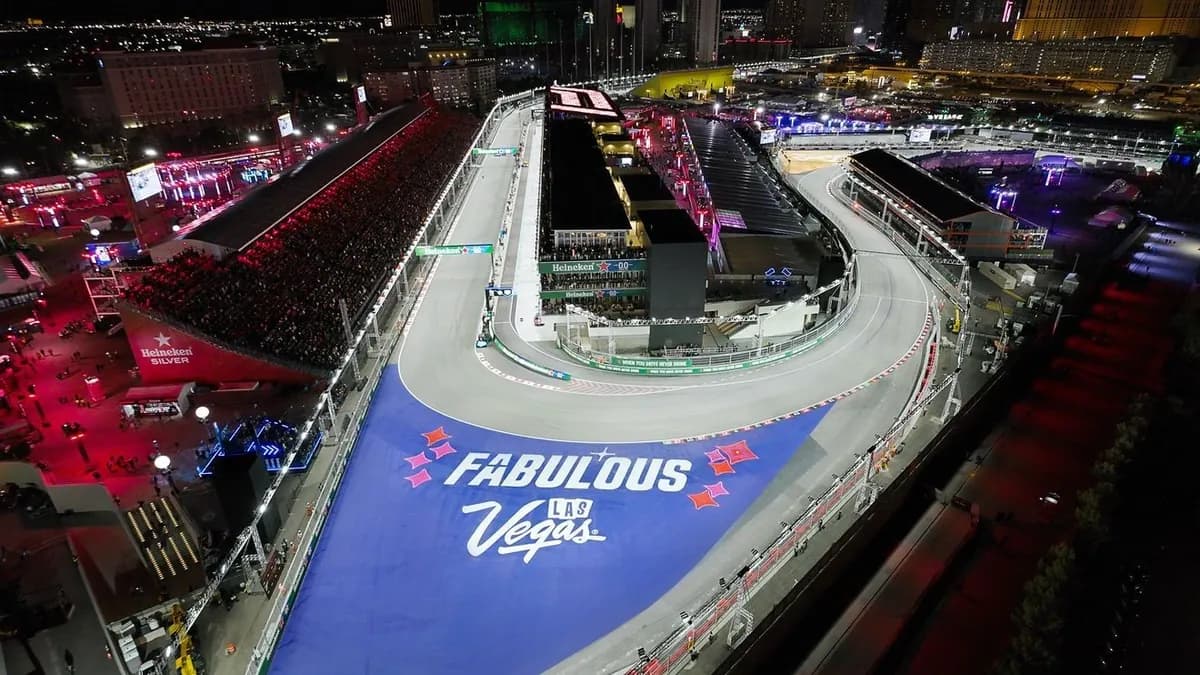
Formula 1 returns to the Lusail International Circuit next week for the Qatar Grand Prix, the 22nd and penultimate round of the 2026 season, from 27 to 29 November. Lusail is a young venue in Formula 1 terms, first used for a Grand Prix in 2021, but it has already built a reputation. In a short history it has produced a race with a mandatory tyre-life limit, one of the most physically punishing Grands Prix of the modern era and, in 2025, a Safety Car decision that changed the outcome of the championship fight.
This guide looks at the circuit itself, the reasons it is so hard on tyres and drivers, and the lessons teams will bring with them. A separate weekend preview with the full Malaysia-time schedule follows closer to the event. For planning purposes, the race starts at 19:00 local time on Sunday 29 November, which is midnight in Malaysia.
The circuit in numbers
- Circuit length: 5.419 km
- Race distance: 57 laps, 308.611 km
- Lap record: 1:22.384, Lando Norris, 2024
- First Grand Prix: 2021, won by Lewis Hamilton
- Recent winners: Max Verstappen in 2023, 2024 and 2025
- Contract: the race returned in 2023 on a ten-year deal
Lusail was built for motorcycle racing and has long hosted MotoGP, which explains much of its character. It is a flowing layout with a long main straight followed by a series of medium and high-speed corners, many of them linked so that one leads straight into the next. There are few heavy braking zones, and the lap rewards a car that is stable and confident through fast changes of direction. For drivers, that means sustained lateral load for much of the lap, with little time to rest.
Qatar did not host a race in 2022, because the country staged the FIFA World Cup in November and December that year. When Formula 1 returned in 2023, the event was moved to a ten-year agreement and became a fixture of the late-season calendar. Like Bahrain and Abu Dhabi, it is now run in the evening under floodlights, with the 2026 race scheduled to start at 7pm local time.
2023: the kerbs that tore tyres
The 2023 race is the one that shaped Lusail's reputation. After Friday practice, Pirelli found signs of separation in the sidewalls of tyres that had done around 20 laps. RaceFans reported that the FIA attributed the damage to high-frequency interference from the 50mm "pyramid" kerbs, made worse by drivers riding them for faster lap times. Motor Sport's Mark Hughes identified the kerbs at the exit of the fast Turns 11, 12 and 13 as the real cause.
Track limits were adjusted to reduce how often drivers ran over the kerbs, and the FIA capped each set of tyres at 18 laps, including laps already completed in practice, qualifying and the Sprint. No minimum number of stops was mandated, but over 57 laps the limit effectively forced three. A car that exceeded its limit would have been reported to the stewards as running in an unsafe condition.
The effect on the racing was striking. Because the stop timing was dictated by tyre life, the undercut and overcut disappeared. And because the tyres still had plenty of life at 18 laps, the quickest approach was to push flat out for every stint. Hughes described the result as a taste of old-fashioned flat-out racing. Lando Norris said he enjoyed "just racing", while Carlos Sainz, who did not start because of a mechanical problem, argued that knowing when everyone would stop made it less good than it could have been.
The same weekend is remembered for its heat and humidity. Several drivers struggled with the conditions, and Williams driver Logan Sargeant retired from the race suffering from dehydration. The episode prompted a wider debate in the paddock about cockpit temperatures in extreme conditions.
2025: a 25-lap limit and a decisive Safety Car
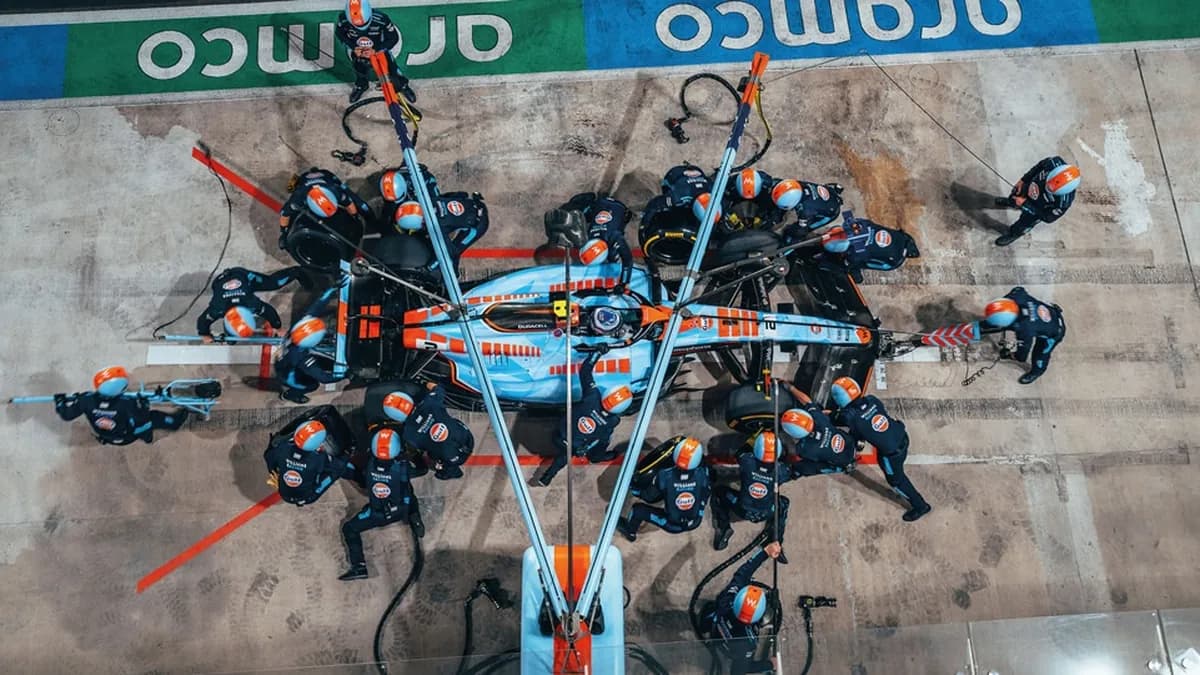
Tyre limits returned in 2025 in a planned form. Each set was capped at 25 laps across the weekend, with laps under the Safety Car or Virtual Safety Car counting towards the total, so the 57-lap race required at least two stops. That changed the value of a neutralisation. When the Safety Car appeared early in the race, drivers who pitted gained a stop at a reduced cost. Max Verstappen took that chance; McLaren, running first and second, did not. Verstappen won, and the mistake kept the title open until the final round.
- Tyre limits turn the race into fixed-length stints and remove much of the undercut.
- Safety Car laps can count towards limits, raising the value of an early pit stop.
- High lateral loads favour stable cars and punish tyre overheating.
- Track limits through the fast corners are closely watched by the stewards.
- The evening start lowers track temperatures compared with daytime running.
What to expect in 2026
The 2026 cars are very different from the machines that raced at Lusail in previous years, with new power units, active aerodynamics in place of DRS and new tyres. That makes the tyre picture harder to predict. Pirelli's 2026 compounds were designed with margin for the new rules, and many races this season have been one-stop affairs. Lusail is the kind of circuit where that margin is tested hardest. Whether the FIA and Pirelli set any stint limit for 2026 was not confirmed at the time of writing, and teams will study Friday's data closely.
Energy management will also matter. Under the 2026 rules, drivers use straight mode for the wings on designated straights and can use an overtake mode when close to a rival. Lusail's long main straight is the obvious place to attack, but the fast sweepers make it hard to stay close enough to set up a move. Expect qualifying, tyre management and strategy to carry more weight than wheel-to-wheel passing.
For Malaysian fans, the late start makes the Qatar Grand Prix one of the more demanding races of the year to watch live, but it is often worth staying up for. Lusail has a habit of producing races where the plan made before the start does not survive the first Safety Car, and with the season almost over, every strategic call will carry extra weight.
Sources
Like what you read?
Register now and put today's slate to work.