Race Weekend Betting Angles: What Sharp F1 Bettors Look At
Formula 1 markets move faster than almost any other sport on the calendar. Between FP2 long-run pace, qualifying position, and overnight strategy calls, the number that mattered on Friday can look very different by lights-out on Sunday. A Grand Prix weekend is really three or four separate data-gathering exercises stacked on top of each other, and the bettors who do best are the ones who know which session to trust and which one to discount.
This piece walks through the framework we use before every race weekend. None of it requires insider information or a data science degree. It's a repeatable process: check grid context first, then tyre allocation, then weather, then run a final sanity check against the market price before committing to anything.
Qualifying Pace Tells You More Than the Grid Alone
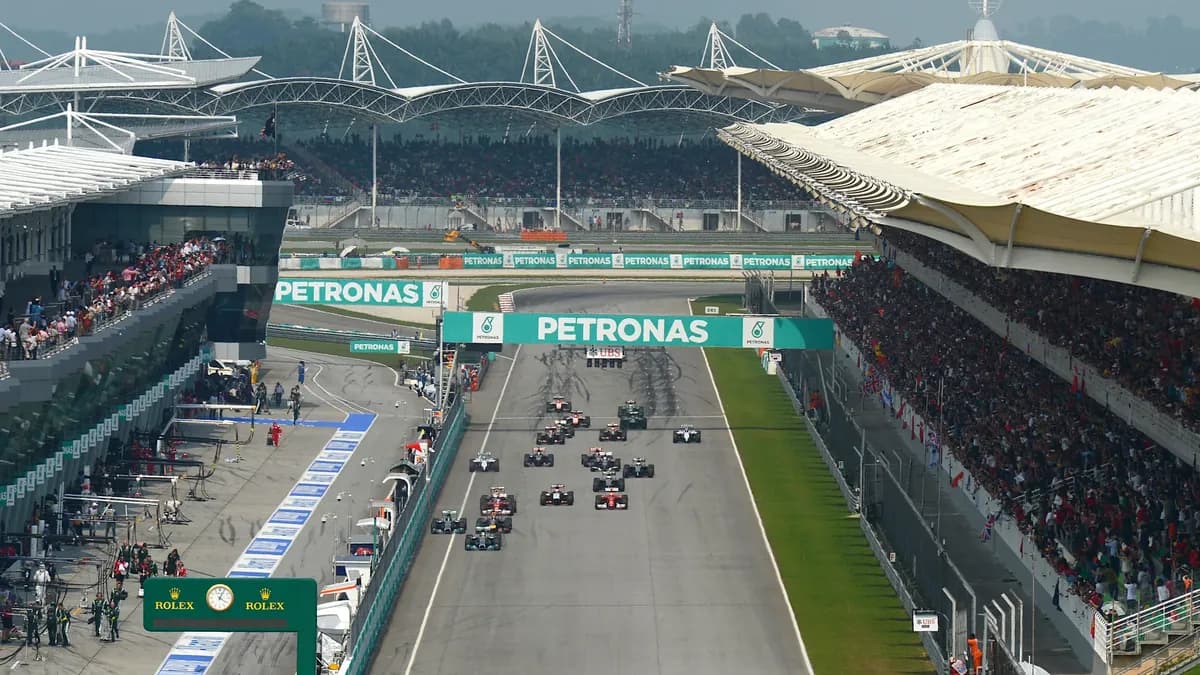
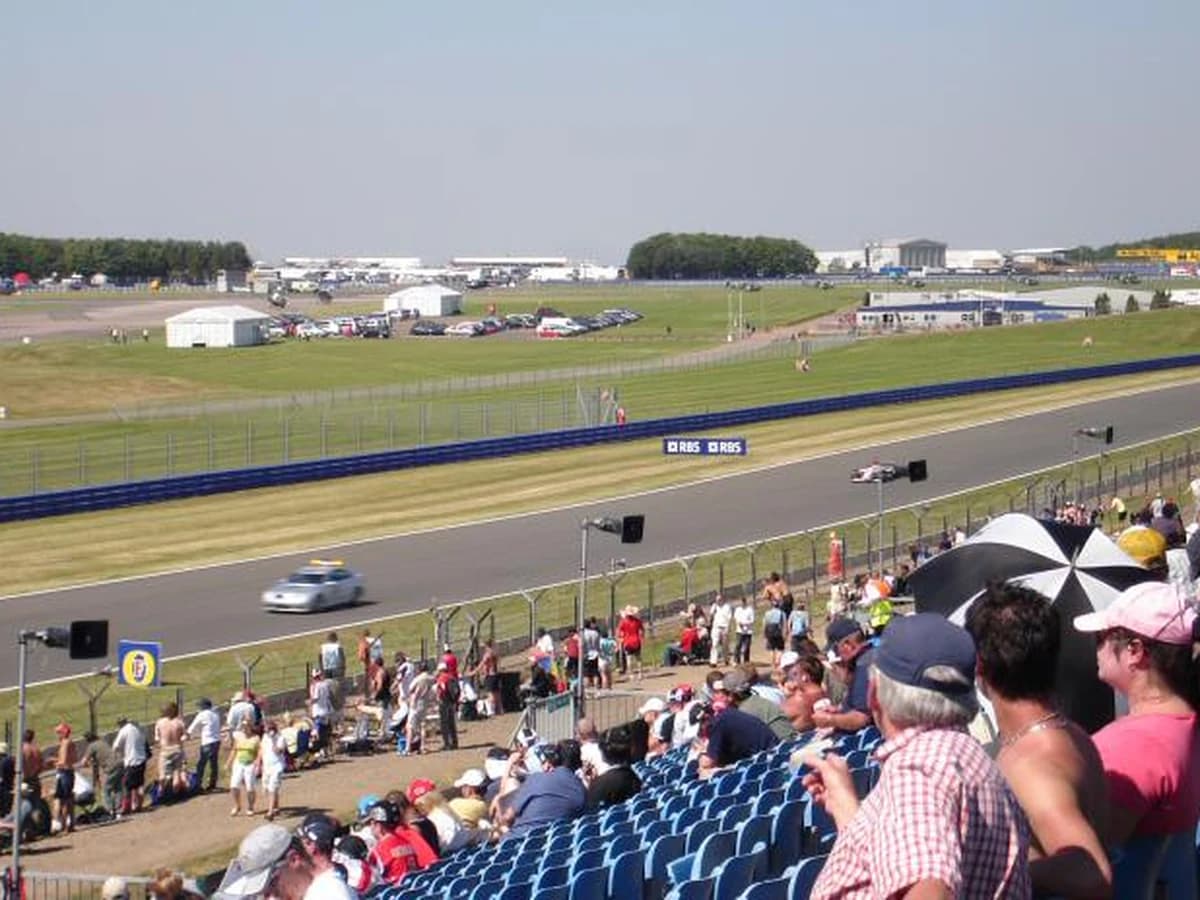
The first thing we check is grid position relative to historical overtaking difficulty at that circuit. A pole sitter at a street circuit is a very different proposition to a pole sitter at a high-speed track with multiple DRS zones. Monaco and Singapore reward track position almost absolutely, while circuits like Spa or Baku regularly produce lead changes well into the second half of the race.
It helps to separate one-lap pace from race pace early. A car that tops final practice on a low fuel run with soft tyres is answering a different question than the one bettors actually care about: who is fastest over a full stint with a race fuel load. We treat qualifying position as the starting context for a race, not the forecast for how it ends.
Reading Tyre Strategy Before Lights Out
Tyre allocation is the second layer, and it's where a lot of the real edge lives. Teams that saved a fresh set of the preferred race compound for Sunday often have a strategic edge that doesn't show up in the qualifying result at all. Compare each front runner's remaining allocation of the softer compounds against how many stints the strategists are likely to need, and you'll start to see who is boxed into an early stop and who has flexibility.
- Check how many sets of each compound a driver has left after final practice, not just what they used in Q3.
- Note whether the top ten had to set their qualifying lap on the harder compound, which quietly shapes the opening stint.
- Watch for teams that skipped a long run in FP2, since that often signals they're confident in their tyre model already.
- Compare degradation rates between the two title-contending teams on the same compound and track section, not just their lap times.
- Factor in pit lane time loss at that specific circuit, since a track with a long pit lane changes the math on a one-stop versus two-stop debate.
- Treat the sprint race, where the weekend format includes one, as a genuine data point on tyre wear under real race conditions.
Why Weather Windows Move Markets
Finally, weather. A thirty percent chance of rain in the forecast is enough to widen a market considerably, and it's usually where the value shows up for bettors who did the homework. Intermediate and wet-tyre strategy calls separate strong wet-weather drivers from the rest of the field far more clearly than a dry race ever could, and teams with strong wet-weather setups from previous seasons at the same circuit tend to carry that advantage forward.
Keep an eye on the timing of any forecast rain relative to the race distance too. A shower that arrives in the final third of a Grand Prix produces very different strategic chaos than one that clears up before lights out. Markets often overreact to the mere mention of rain rather than pricing in exactly when it's expected to fall.
A Simple Pre-Race Checklist
- Confirm final grid order after any penalties have been applied, not the provisional qualifying result.
- Cross-check long-run pace from FP2 against the qualifying order to spot cars that under-performed on a single lap.
- Review each contender's remaining tyre allocation for the compounds most likely to be used in the race.
- Check the latest weather radar within a couple of hours of lights out rather than the forecast from the day before.
- Note any recent power unit or gearbox changes that might have triggered a grid penalty already baked into the price.
- Compare the market price against your own read before placing anything, and be willing to pass if there's no clear gap.
Common Mistakes That Quietly Cost Bettors Value
A few mistakes show up again and again in race weekend betting, and most of them come down to timing rather than analysis. Reacting to a single dramatic headline, like a red flag stoppage in final practice, without checking whether it actually reflects a genuine setup issue is one of the most common. A short stoppage rarely tells you anything meaningful about long run pace, yet it is often enough to move a market noticeably within minutes.
Chasing yesterday's price is another habit worth breaking. A number that looked attractive after Friday practice can look very different once qualifying and the final weather update have both landed, and holding onto an outdated view purely because it was the first number you saw tends to cost more than it earns over a full season.
Team radio comments are worth listening to, but they deserve the same scrutiny as any other single data point. A driver complaining about balance on lap three of a long run is describing a car that still has fuel to burn off and tyres yet to fall into their working window, not necessarily a car that will struggle all afternoon.
Building a Race Weekend Routine You Can Repeat
The bettors who improve fastest tend to treat every race weekend the same way, using an identical checklist regardless of how big or small the event feels. Skipping a step because a favourite looks obvious on paper is exactly how avoidable mistakes creep back in over a long season.
- Log grid, tyre, and weather notes before first practice ends, so later sessions only update rather than replace your view.
- Keep notes on one-lap pace separate from notes on long-run pace so the two never get blended into one number.
- Write down the specific reason for every bet, not just the outcome, so a losing bet with sound reasoning isn't confused with a bad process.
- Revisit your process every few races to see which single factor, grid, tyres or weather, has driven your best results.
- Treat a quiet, no-bet weekend as a valid outcome whenever the checklist doesn't produce a clear gap versus the market price.
None of these factors work in isolation. The bettors who consistently find value are the ones who run through all four checks, in order, every single race weekend, rather than reacting to whichever headline is loudest on race morning. Treat it as a routine, not a one-off analysis, and the framework does most of the heavy lifting for you.
Like what you read?
Register now and put today's slate to work.