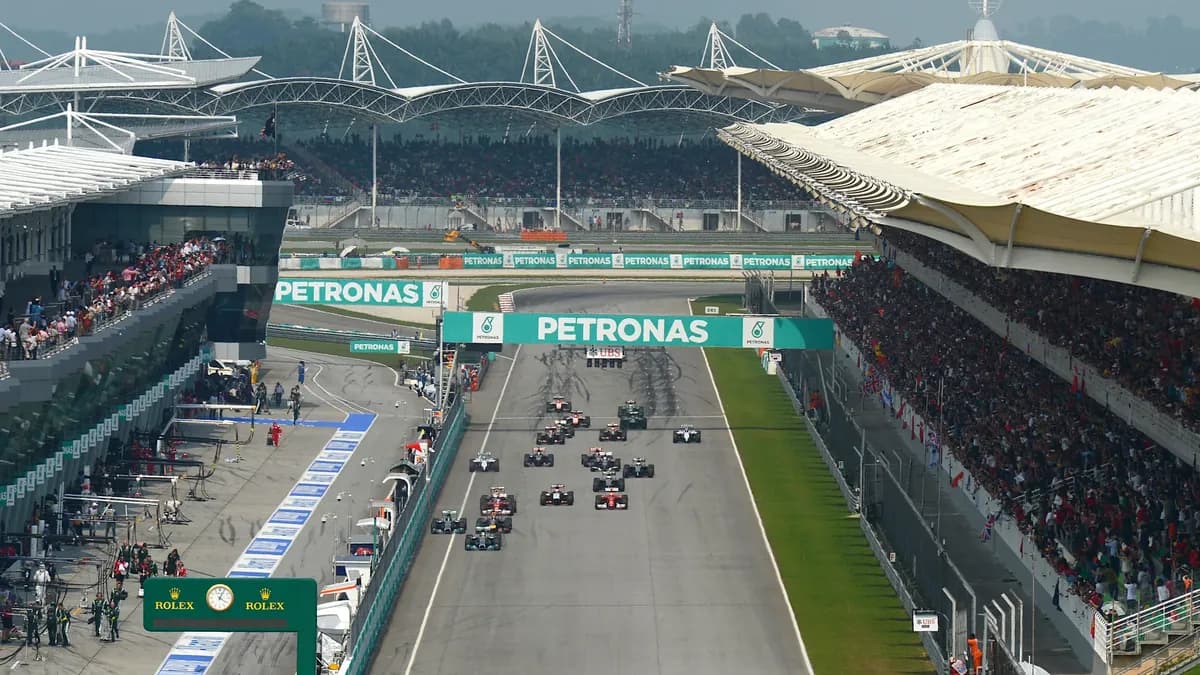
Safety Cars and Restarts: The Hidden Swing Factor in F1 Betting
A safety car can undo three quarters of a Grand Prix in under a lap, compressing a fifteen second lead into nothing and handing every strategist on the pit wall a decision they weren't expecting to make that early. It's one of the biggest swing factors in live F1 betting, and also one of the least understood, because most viewers only notice the visual chaos of the field bunching up rather than the calculations happening in the background.
Understanding how a safety car actually reshapes a race, rather than just watching it happen, is what separates a bettor reacting to yellow flags from one who saw the opportunity coming a lap or two before the market had fully adjusted to it.
Why a Caution Period Changes the Math for Everyone
Under green flag racing, a pit stop costs a driver real time relative to the cars staying out, which is exactly why strategists time stops around traffic and tyre windows so carefully. Under a safety car, that cost shrinks dramatically because the whole field is bunched up and running to a slower delta, which means the usual trade-offs strategists rely on suddenly don't apply in the same way.
This is why a leader with a comfortable gap can watch that advantage evaporate the moment a caution is deployed, while a driver running further back who hasn't stopped yet can suddenly find themselves with a free look at track position they wouldn't otherwise have earned.
The Free Pit Stop Effect
The clearest example is what teams call the free pit stop. If a caution is deployed just after a driver has already pitted, they effectively lose nothing relative to the field, since everyone else now has to stop under the same slow conditions or risk falling further behind on old tyres. A team that had planned to stop a lap or two later can suddenly find their whole strategy compromised by timing alone.
This is exactly why paying attention to who has and hasn't stopped at the moment a caution flag appears matters more than watching the running order alone. The driver who benefits most from a safety car often isn't whoever is fastest that day, it's whoever happened to pit at the right moment relative to when the yellow flags came out.
- Check which cars have already made their first stop the moment a safety car is deployed, since that group effectively gains a free pit stop.
- Note whether any front runners were on an alternate strategy that a caution period suddenly validates or invalidates.
- Watch for teams pitting both cars simultaneously under a safety car, which can cost extra time in a congested pit lane.
- Track how much of the field chooses to stop versus stay out, since a split strategy field changes the restart picture completely.
- Factor in remaining tyre life for cars that choose to stay out, since a caution period buys time but doesn't reset degradation.
Restart Chaos and Track Position
Restarts themselves are where a lot of the real drama, and a lot of the real betting value, tends to concentrate. Cars bunched up nose to tail with cold tyres and a single restart zone create conditions for genuine position changes that simply don't occur under normal green flag running, particularly in the opening two or three corners after the safety car peels into the pits.
A driver defending track position on a restart is working with a very different set of tools than a driver defending a five second gap in clear air. Tyre temperature at the restart matters enormously, and drivers running a harder compound that's struggled to generate heat during a slow caution period can be genuinely vulnerable in the first few corners regardless of their underlying pace that day.
- Watch tyre compound differences through the field heading into a restart, since colder tyres struggle more on a harder compound.
- Note the length of the restart straight at a given circuit, since a longer run to the first braking zone favours the chasing car.
- Track how a leader manages the restart pace itself, since controlling the delta before the green flag can neutralise a chasing car's run.
- Check whether the restart happens near a DRS detection point, since that can immediately hand an advantage to whoever is running second.
- Factor in how many laps remain after the restart, since a short sprint to the flag changes risk tolerance for every driver on track.
Virtual Safety Car Versus Full Safety Car
It's worth separating a virtual safety car from a full safety car when reading a race, since they create very different strategic pictures. A virtual safety car imposes a delta lap time without physically bunching the field, which tends to preserve gaps roughly as they were, while still offering a cheaper pit stop window than green flag conditions would allow.
A full safety car, by contrast, physically closes every gap on track, which is what creates the genuine restart chaos and track position swings described above. Recognising which one has been deployed early tells you almost immediately whether to expect a reshuffled grid or simply a cheaper pit window with the running order largely intact.
Common Mistakes When Reading a Caution Period
A frequent mistake is assuming every safety car benefits the cars further back in the field equally. In reality, the benefit depends entirely on pit stop timing relative to the caution, tyre life at that exact moment, and how many laps remain to actually convert a free stop into a real position gain before the chequered flag.
Another common error is treating a driver's restart performance as representative of their overall pace that weekend. A strong restart is as much about tyre temperature management and starting position in the queue as it is about raw speed, and reading too much into a single restart can distort a broader view of who's actually quickest.
A Repeatable Way to Track Caution Periods
- Note pit stop status for every car the moment a safety car or virtual safety car is deployed, not after the fact.
- Separate virtual safety car situations from full safety car situations, since the strategic implications differ significantly.
- Track tyre compound and approximate tyre age heading into any restart to judge who's vulnerable in the opening corners.
- Watch the restart zone location relative to any DRS detection point for that specific circuit layout.
- Reassess in-race markets immediately after a caution period rather than waiting for the running order to fully settle.
None of this makes safety car periods predictable in the way a dry, uneventful race can be. What it does is turn genuine chaos into something you can at least frame with a repeatable process, rather than reacting purely to whichever position change looks most dramatic on the broadcast feed in the moment.
Like what you read?
Register now and put today's slate to work.