Perez Warns F1 Power-Unit Speed Gaps Are Becoming Dangerous
Event / announcement: September 29, 2026

Sergio Perez has warned that differences in power deployment between Formula 1’s engine manufacturers are creating dangerous closing speeds. The Cadillac driver said he came close to a major accident with Liam Lawson during the Azerbaijan Grand Prix, when the Red Bull Ford-powered Racing Bulls car arrived behind him with a substantial speed advantage on one of Baku’s long straights.
“I was going to have a massive shunt with Lawson when I was defending from him because the difference in deployment and power across the engine is too dangerous,” Perez said, as reported by GrandPrix.com on 29 September. He added a stark warning: “I fear something bad is going to happen soon if we don’t make some changes to the regulations.”
The problem Perez describes
The 2026 power units rely far more on electrical energy than the previous generation. That creates a new variable in wheel-to-wheel racing: two cars can reach the same part of the circuit with very different amounts of energy available. If one driver is harvesting while another is deploying, the speed difference can be huge. GrandPrix.com reports that closing-speed differences of 37 to 50 mph, roughly 60 to 80 km/h, are possible in such situations.
Baku magnifies the issue because of its long, flat-out run to the finish line, flanked by walls. A driver defending on a straight must judge how quickly a rival is approaching and where to position the car. When the attacker is gaining far faster than expected, the margin for error disappears. A late move, a misjudged gap or a small lift can quickly become a heavy impact.
- Perez says he nearly had a big accident with Liam Lawson in Baku.
- He blames large differences in energy deployment between power units.
- He identified Mercedes and Red Bull Ford as having the strongest packages.
- His Cadillac uses a Ferrari power unit and struggled on the long straights.
- Perez wants regulation changes before a serious accident happens.
Mixed reactions in the paddock
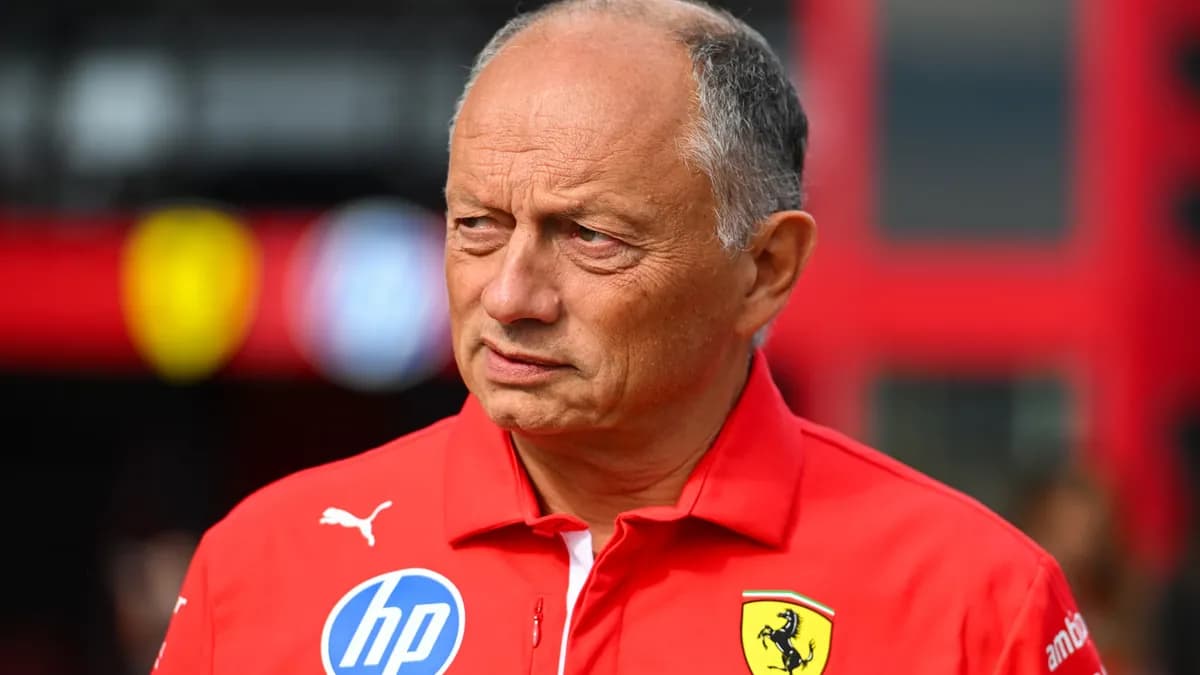
Not everyone agrees that performance gaps are inherently a safety problem. Ferrari team principal Fred Vasseur questioned whether normal differences between cars should be regarded as dangerous, but GrandPrix.com reports that he acknowledged the way electrical energy is delivered does produce significant closing speeds. That distinction matters. Formula 1 has always had faster and slower cars; the question is whether the new rules create sudden, unpredictable differences.
Other drivers have already talked about managing battery use on long straights. Max Verstappen said in Baku that “everyone completely drains the battery on the long straight”, which complicates overtaking. If every driver is running similar strategies, the differences are manageable. When one car is in a different phase of its energy cycle, the contrast can be dramatic.
The FIA will now have to decide whether Perez has highlighted a genuine safety concern that requires regulatory change. Possible responses could involve deployment limits, changes to harvesting rules or other technical adjustments, but any decision would need careful study to avoid unintended consequences for racing.
Perez’s own weekend
Away from the safety debate, Perez described Baku as one of his strongest weekends of the season. He started 20th after qualifying and a three-place grid penalty for impeding Oscar Piastri, then finished 14th, matching his joint-best result for Cadillac. “I drove at a high level the whole weekend, especially in the race,” he told Formula 1, calling it “one of my best weekends” despite missing out on points.
Perez said the team’s main limitation was aerodynamic drag, leaving the car short of straight-line speed against its rivals. In the opening stint he was able to run with Williams and Audi drivers, helped by overtake mode, before gradually losing ground. Cadillac remains without a point in its first Formula 1 season, with Valtteri Bottas’s 13th place in China its best result so far.
Formula 1 reports that no major upgrades are expected before the end of the year. Perez has stressed the importance of operational improvements and extracting the maximum from the current package, while the team’s bigger focus is on 2027. For a new entrant, weekends like Baku are useful: they provide proof that the car can race in the pack even when it lacks outright speed.
Why this matters for the rest of the season
Perez is one of the most experienced drivers on the grid, with a long career at several teams, so his warning carries weight. He has raced through different regulation eras and knows how closing speeds used to feel. When a veteran describes a near miss as dangerous, the governing body usually listens.
- Whether the FIA opens a formal review of energy deployment rules.
- How other drivers respond to Perez’s comments at the next race.
- Whether long straights at Sepang produce similar closing-speed incidents.
- What teams propose for 2027 to reduce large deployment differences.
- Whether Cadillac can build on its Baku pace to challenge for points.
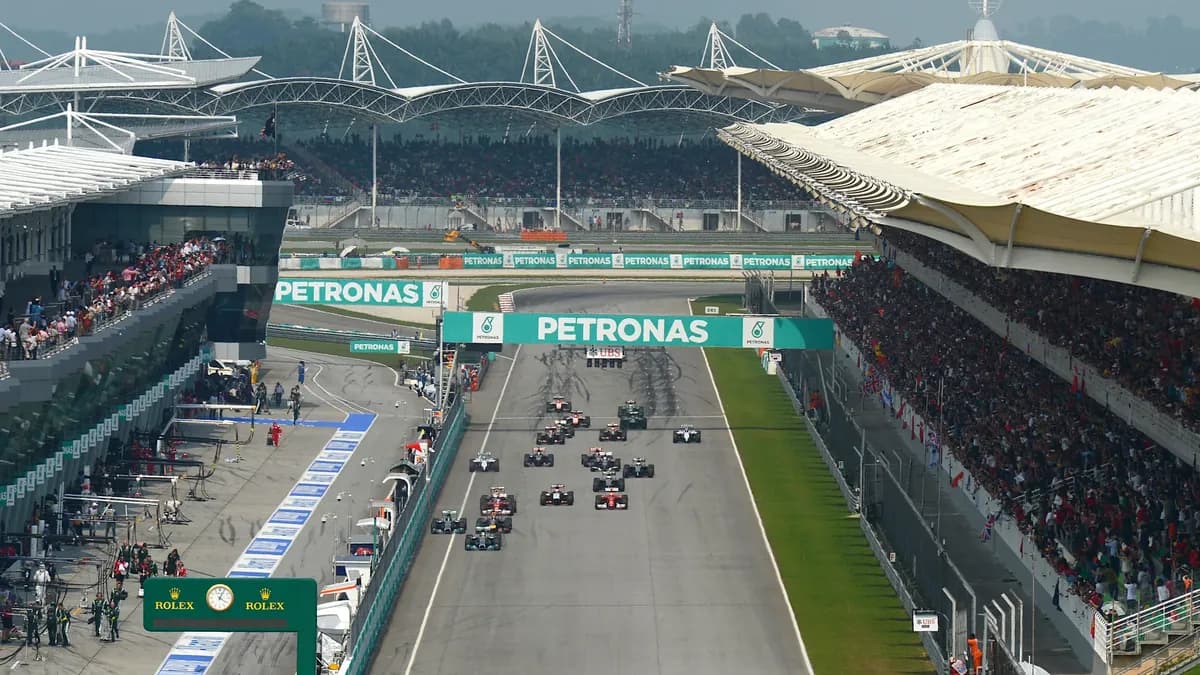
Sepang offers another test. The Malaysian circuit’s two long straights, linked by the final hairpin, mean energy management will again be central. If drivers report similar experiences there, pressure for change will grow. If not, Baku may be seen as a circuit-specific case.
How closing speeds have changed
Large closing speeds have always existed in Formula 1, for example when a car is slowing with a problem or when backmarkers are lapped. What makes the 2026 situation different is that the speed difference can occur between two healthy cars racing each other. A driver defending a position may be using a normal energy strategy while the car behind is deploying at full power, and the gap between them can close much faster than a driver’s instincts expect.
That puts extra pressure on the driver in front, who must judge whether to defend and how late to move. Formula 1 has strict rules about changing direction under braking and blocking, but those rules were written with more consistent speed differences in mind. If the attacker arrives far faster than anticipated, even a legal defensive move could become risky. Perez’s concern is that the margin for error has shrunk dramatically.
Energy management already shapes almost every overtaking move this season. Drivers plan where to use their battery, and teams calculate how much energy is needed to defend or attack on each straight. That strategic depth was part of the appeal of the new rules, but it also means that two cars can take very different approaches to the same section of track.
Formula 1 wanted its new era of power units to create closer racing and more strategic variety. Perez’s comments highlight the other side of that ambition. Energy management has added a new layer of skill, but it also creates situations in which a driver may not know how quickly a rival is approaching. How the FIA responds could shape the final phase of the 2026 season and the rules for 2027.
Sources
Like what you read?
Register now and put today's slate to work.