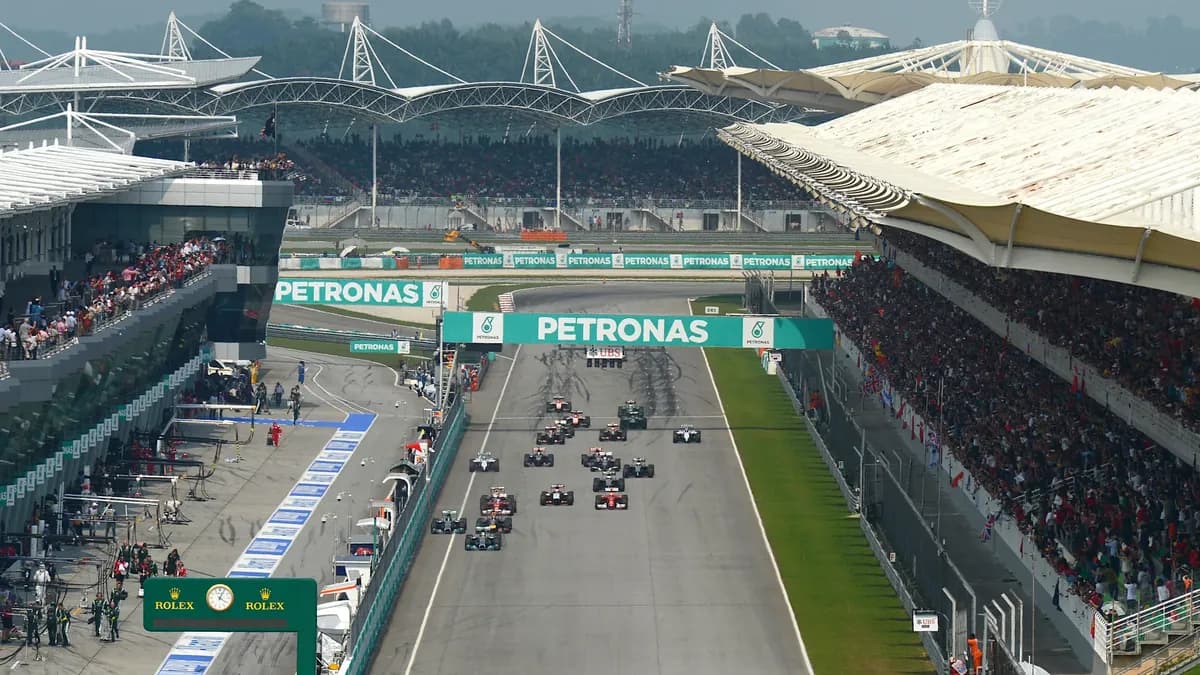
Sprint Weekends: How the Format Changes the Betting Picture
A sprint weekend compresses everything a normal Grand Prix weekend gives you time to work through, and that compression is exactly what makes it a different betting proposition rather than just a shorter version of the usual routine. With only a single practice session before qualifying sets the grid for the sprint itself, teams have far less data to fine-tune a setup, and so do the bettors trying to read it.
Treating a sprint weekend with the same checklist as a normal race weekend is one of the more common mistakes we see, because several of the usual signals either don't exist yet or mean something different when they do show up on a compressed schedule.
Why One Practice Session Changes Everything
A single hour of practice before a sprint weekend's qualifying session means teams are working with a genuinely reduced sample compared to a normal weekend's three sessions. Setup decisions that would normally be refined across multiple practice runs have to be locked in far earlier, which raises the value of a team's pre-event simulation work relative to what actually happens on track that Friday.
This also means a team that gets its setup wrong in that single session has far less chance to recover before it matters, since there's no second or third practice session available to make the usual corrections. A car that looks off the pace in that first hour is a much stronger signal on a sprint weekend than the same read would be on a normal one.
The Sprint Race Itself Is a Genuine Data Point
The sprint race, run over a shorter distance with no mandatory pit stop requirement in most formats, is short enough that tyre degradation rarely becomes the deciding factor it is in a full Grand Prix. That makes it a genuinely useful read on race pace and race craft under real conditions, even though the strategic layer is much thinner than a full-length race provides.
- Treat sprint race pace as a real signal for the main event, since it's run under genuine racing conditions rather than a practice simulation.
- Note that tyre degradation plays a smaller role in a sprint, so a strong sprint result doesn't always predict full-race tyre management.
- Watch first-lap incidents in the sprint closely, since a shorter race format leaves less time to recover position afterward.
- Check whether grid penalties apply separately to the sprint and the main race, since the rules can differ by format.
- Track which teams treat the sprint conservatively to protect equipment for the main event versus those racing it flat out.
How Sprint Results Should Change Your Main Race View
A strong sprint result is a genuine positive signal for the main race, but it shouldn't be weighted as heavily as a normal qualifying result would be, precisely because the sprint format removes some of the strategic elements, like tyre degradation and pit strategy, that actually decide a full Grand Prix. Use it to confirm or challenge a pre-existing view on pace, not as a standalone forecast for Sunday.
It's also worth checking how much a team appeared to hold back in the sprint to protect components or avoid unnecessary risk before the main event. A team racing conservatively in the sprint, perhaps to protect a tyre allocation or avoid contact that could compromise their main race setup, can look less competitive than they actually are heading into Sunday.
Parc Fermé Locks Setup in Earlier Than a Normal Weekend
Under the current sprint format, cars enter parc fermé conditions once qualifying for the sprint gets underway, and they stay there through both the sprint itself and the Grand Prix that follows, with only the most minor of adjustments permitted along the way. That means a team's setup call, made after a single hour of practice, effectively governs the entire weekend rather than just the sprint race, which raises the stakes of that first decision considerably compared to a normal weekend where later practice sessions still allow room to correct course.
For anyone pricing a sprint weekend, this is worth treating as a genuine structural difference rather than a technicality. A team that commits to the wrong setup in that single practice session isn't just risking a poor sprint result, it's carrying that same compromise into Sunday's main race as well, with no second chance to adjust in between the way a normal weekend's schedule would ordinarily allow.
Weather Swings Hit a Sprint Weekend Harder
Because setup is locked in so early, a meaningful shift in weather or track temperature between the sprint and the main race can't be corrected the way it normally would be, since teams simply don't have the parc fermé flexibility to respond with a mechanical change. A car set up for a cool, damp sprint morning that finds itself racing on Sunday under considerably hotter track conditions has to manage that gap through tyre choice and strategy alone, rather than through any adjustment to the car itself.
This makes weather forecasting more valuable on a sprint weekend than it is on a normal one, precisely because the usual safety valve of a later practice session to react to changing conditions simply isn't available. A forecast showing a genuine temperature or rain risk between Saturday's sprint and Sunday's race is worth weighting more heavily than the same forecast would be on a weekend where teams still have room to adapt the car itself before it matters.
Common Mistakes on a Sprint Weekend
A frequent mistake is applying the same qualifying-to-race conversion assumptions from a normal weekend directly onto a sprint weekend's grid, without accounting for the reduced practice time that produced it. The grid for a sprint weekend's main race is often set by a separate qualifying session run after the sprint itself, so it's worth double-checking exactly how a given weekend's format is structured before assuming any single result carries over directly.
Another common error is ignoring how little margin for setup error exists on a sprint weekend. A team that looks unusually off the pace in the single practice session is showing a much stronger signal than the same read on a normal weekend would suggest, and it's worth weighting that accordingly rather than assuming things will simply improve once qualifying arrives.
A Repeatable Sprint Weekend Checklist
- Confirm the exact format for that specific sprint weekend, since qualifying and grid-setting rules can vary between events.
- Weight the single practice session more heavily than usual, since teams have far less room to correct a poor setup.
- Use sprint race pace as a genuine but partial signal for the main event, not a full substitute for a normal qualifying read.
- Check which teams appeared to race the sprint conservatively to protect equipment or tyre allocation for Sunday.
- Reassess your main race view after the sprint concludes rather than locking in a read from practice alone.
Sprint weekends reward bettors who adjust their process rather than simply compressing their usual routine into a shorter window. Fewer sessions means less noise to sift through, but it also means each remaining data point carries more weight than it would on a normal weekend, and treating the format on its own terms is what actually turns that compression into an edge.
Like what you read?
Register now and put today's slate to work.