
Pre-Season Testing: What It Actually Tells You (and What It Doesn't)
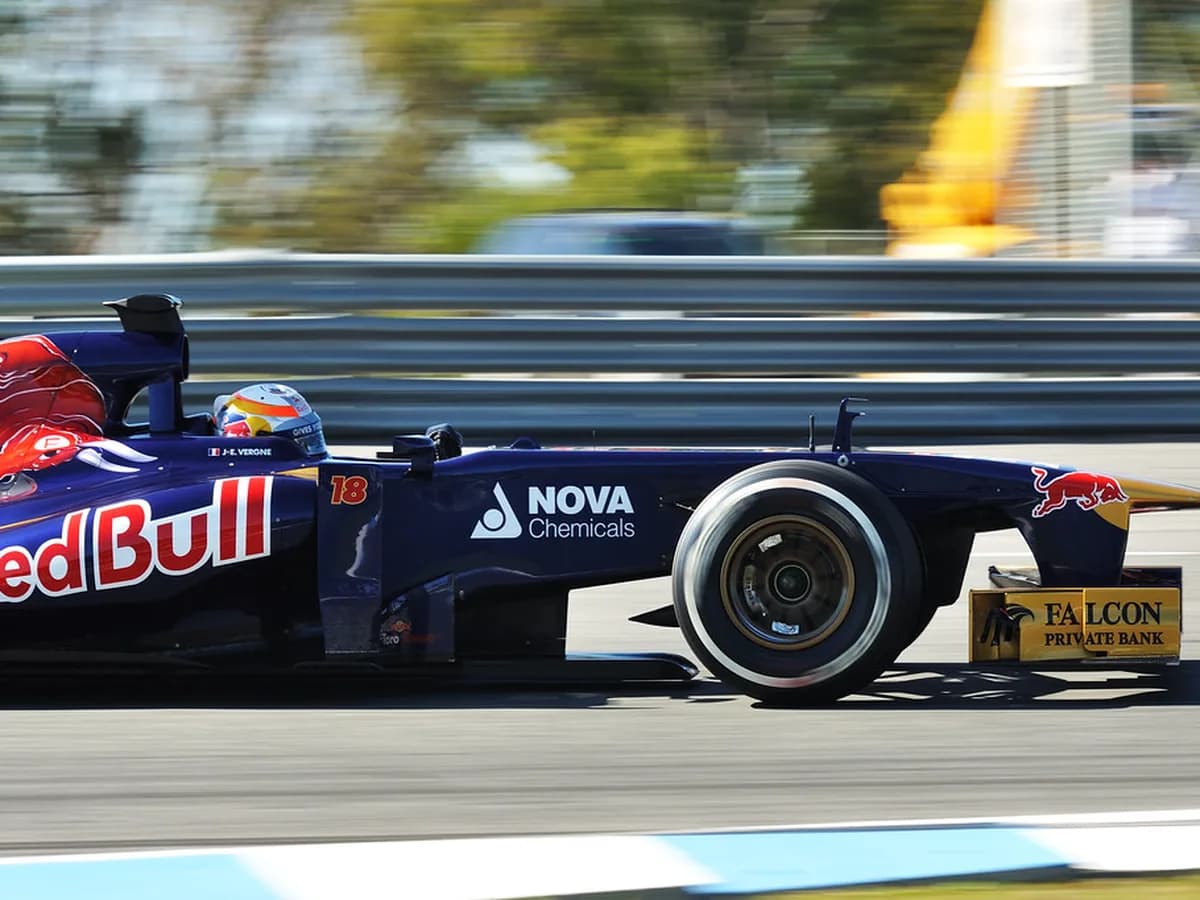
Every pre-season testing session produces the same ritual: a published times sheet, a wave of hot takes about who's clearly quickest, and a fair amount of that read being quietly wrong by the time the first race actually happens. Testing is genuinely useful, but only if you know which parts of it to trust and which parts are essentially theatre.
The core problem is that testing times aren't run under comparable conditions across teams, and teams know this better than anyone watching from outside. Fuel load, engine mode, tyre compound, and even how hard a driver is actually pushing on a given lap are all variables teams control deliberately, often specifically to obscure their real pace from rivals studying the same timing sheets.
Why Raw Lap Times Mislead
A team running a low fuel load on the softest available tyre compound in a favourable wind window can post a lap time that looks sensational and means very little about race pace. Conversely, a team quietly running high fuel loads and conservative engine modes throughout testing can look ordinary on the times sheet while actually being one of the fastest cars on the grid once the season gets underway.
This is exactly why sandbagging has become such a familiar word around testing coverage. It's not really about deception in a negative sense, it's a rational response to a testing format where every team can see every other team's published times, and nobody wants to hand a rival a genuine read on their competitiveness before it actually matters.
What Actually Is Worth Watching
Long run pace, meaning consistent lap times over ten or more laps on a race fuel load, is far more informative than a single flying lap, because it's much harder to disguise convincingly. A car that's genuinely struggling with tyre degradation tends to show it over a long run regardless of how conservative the team is trying to be, since the tyre model itself doesn't care what a team wants the world to believe.
- Look for consistent long run stints rather than isolated fast laps, since degradation is much harder to disguise convincingly.
- Note which sessions were run in similar weather and track conditions before comparing two teams' long run pace directly.
- Watch reliability closely, since a car completing high mileage without technical issues is a genuine and hard-to-fake signal.
- Track how a team's pace evolves across the full testing period rather than trusting a single day's headline time.
- Pay attention to which teams bring a major upgrade mid-testing, since that often signals genuine confidence in a direction.
Mileage and Reliability Tell Their Own Story
Total mileage completed across a testing period is one of the more reliable signals available, precisely because it's extremely difficult to fake. A team that struggles to complete meaningful running due to reliability issues is very likely carrying that same vulnerability into the opening races, even if their occasional fast lap looks encouraging on paper.
It's worth separating mileage lost to a genuine mechanical issue from mileage lost to a minor, easily fixed problem, since the two carry very different implications. A team that loses a full day to an electrical gremlin unrelated to the car's core performance is in a different position than one that keeps failing to complete a long run because of a genuine power unit or gearbox concern.
Why Regulation Changes Make Testing Even Less Reliable
Testing is already hard to read in a stable regulation cycle, and it becomes considerably harder in a season following a significant rules change, since every team is working from a different baseline of understanding about what actually works under the new framework. A team that interprets the new regulations correctly early can look dominant in testing for reasons that have nothing to do with driver ability or straightforward raw pace, and everything to do with correctly reading a rulebook that every rival is still working through in parallel.
This is exactly the scenario where testing form has historically diverged most sharply from race-season form, since a team that starts a new regulation cycle with a fundamentally sound concept tends to develop it faster than a rival starting from a flawed one, even if the two look deceptively close together on a testing times sheet in February than they'll ever look again once in-season development work kicks in properly a few races later.
What Paddock Insiders Watch That the Times Sheet Doesn't Show
People who cover testing closely from the paddock tend to weight body language, radio chatter, and engineer demeanour almost as heavily as the published numbers, since a team that's quietly confident behaves noticeably differently to one that's masking a genuine problem. A garage that stays calm and unhurried between runs, sticking closely to a pre-planned programme, tends to be in a very different position to one making visible, reactive changes to its car between almost every session of the day.
None of this is available to someone reading a published times sheet from outside the paddock, which is exactly why testing coverage from people actually present at the track tends to carry more genuine signal than the raw lap times alone, even when neither source has access to a team's actual internal telemetry or its real assessment of where the car currently stands.
Common Mistakes When Reading Testing
The most common mistake is anchoring hard to the published times sheet from the final day of testing, treating it as a genuine season form guide rather than a snapshot shaped heavily by each team's individual strategy for that specific session. A team topping the times sheet on the last day, on a low fuel qualifying simulation, tells you comparatively little about how competitive they'll actually be over a full race distance a few weeks later.
Another frequent error is dismissing a team that looks slow throughout testing without checking whether they were simply running heavier fuel loads or more conservative programmes than their rivals all along. The gap between a team's apparent testing pace and their actual season-opening pace can be genuinely large, and it tends to catch out anyone who took the times sheet at face value.
A Repeatable Testing Review Checklist
- Prioritise long run consistency over any single flying lap when comparing teams across a testing period.
- Track total mileage completed and separate genuine mechanical concerns from minor, unrelated issues.
- Note the conditions each long run was completed in before comparing pace across different teams directly.
- Watch for major upgrades introduced mid-testing as a signal of where a team's genuine confidence lies.
- Treat the final day's times sheet as one data point among many, not a definitive season form guide.
Testing will never tell the full story, and it isn't designed to. What it can tell you, if you know where to look, is which teams are completing genuine race-representative running without issues, and which teams are still working through problems that a favourable lap time on a quiet Thursday afternoon can't hide for long once the season actually begins.
Like what you read?
Register now and put today's slate to work.