Hawks Add Love, Messina and Oliva to Snyder's Coaching Programme
Event / announcement: September 16, 2026
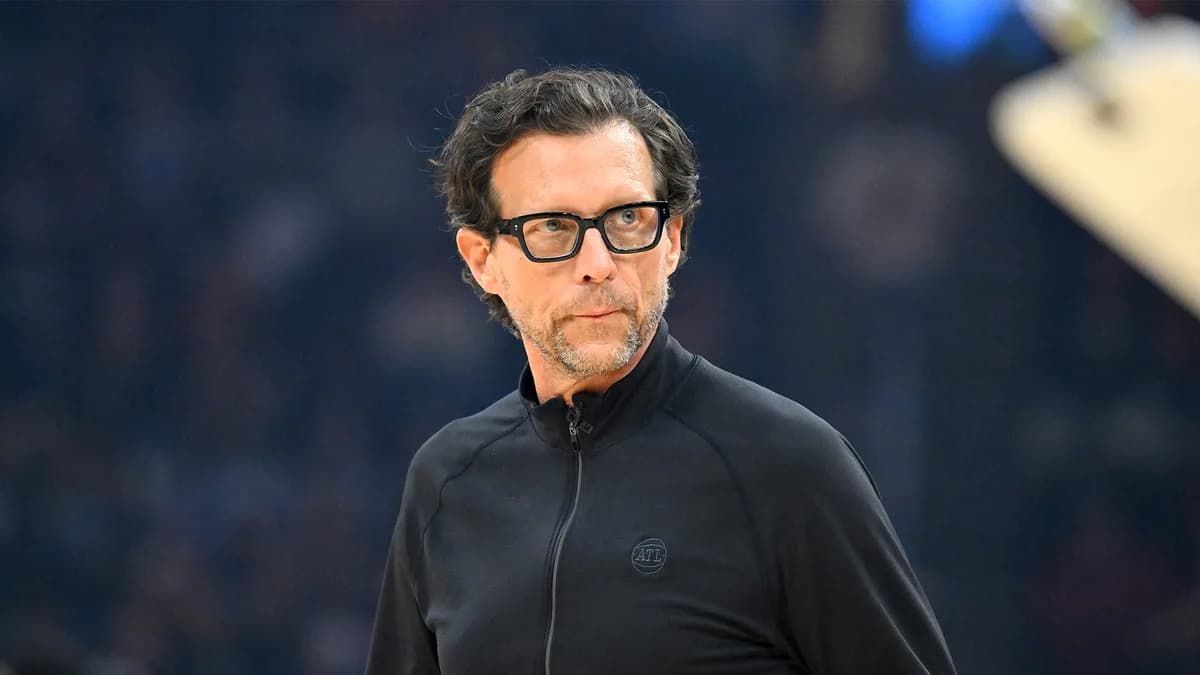
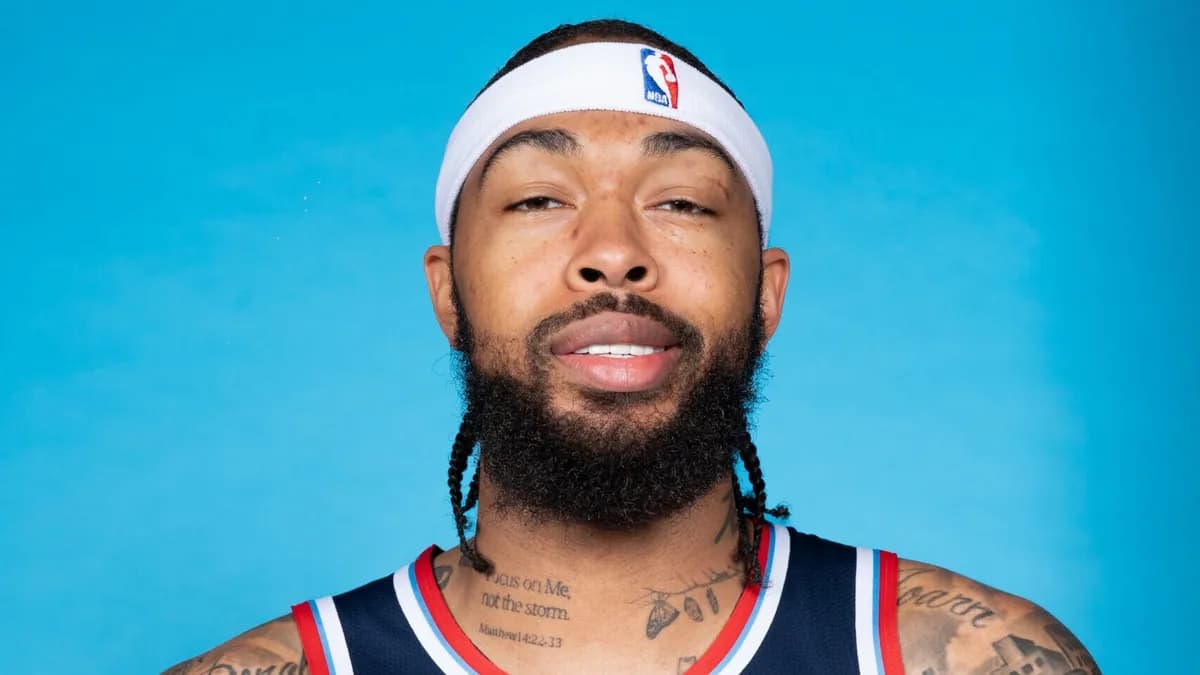
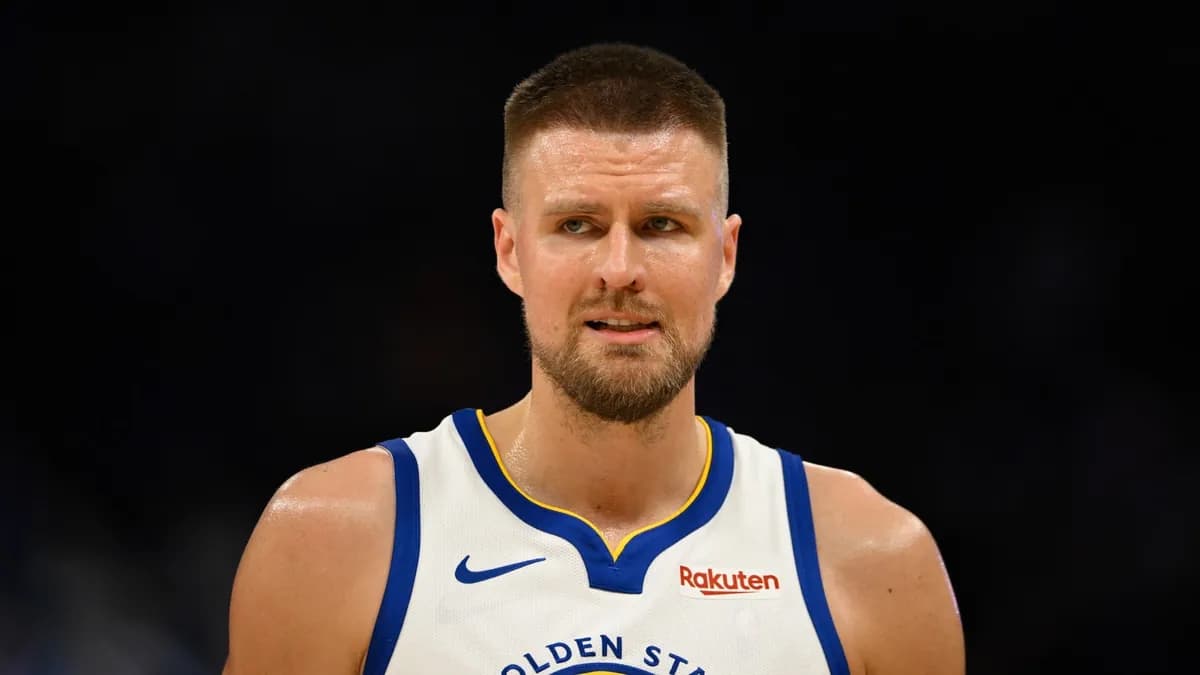
Atlanta announced three additions to Quin Snyder's coaching and development programme on 16 September. Jason Love joins as an assistant coach, Ettore Messina takes a coaching consultant role and Sergi Oliva becomes a basketball strategy and development advisor.
The appointments address different parts of the organisation's work before the 2026-27 season. They should not be treated as three identical positions on the bench. The distinction between daily coaching, consultation and broader development support is central to understanding what Atlanta has added.
The three appointments
- Jason Love: assistant coach.
- Ettore Messina: coaching consultant.
- Sergi Oliva: basketball strategy and development advisor.
- Quin Snyder remains the head coach leading the programme.
- Oliva's previous experience includes an assistant general manager role with Portland.
The moves give Atlanta additional perspectives to use in preparing players and evaluating the team's work. The impact will depend on how those perspectives are organised and translated into useful instruction.
Analysis: different roles should solve different problems
A coaching staff has to manage immediate decisions and longer-term development at the same time. Preparing for the next opponent requires specific priorities. Improving a player's skill or changing a recurring team habit may require a sequence of work that extends across several weeks.
Those tasks are connected, but they are not identical. A useful short-term adjustment might help in one matchup without being the best foundation for every game. A development project may be valuable even when it does not produce an immediate visible change in the next result.
Clear responsibilities help the staff keep both kinds of work moving. The person studying a wider pattern can provide evidence to the coach making the next practical decision. The coach can then identify what can be applied now and what needs more preparation before it becomes part of the team's routine.
An assistant turns the plan into repetitions
The daily teaching role is important because a team principle only becomes useful when players can recognise and execute it. An instruction such as moving the ball earlier needs to be connected to the specific cue that tells the player the pass is available.
Practice provides the opportunity to make that connection. A coach can stop an action, explain the timing and ask for another repetition. The player can then compare what changed and begin to recognise the situation without needing the same explanation every time.
The best feedback is specific enough to guide the next attempt. Telling a player that the possession was poor gives little direction. Identifying the missed receiver or the moment when the defence shifted gives him something concrete to see and change. That is how a general team idea becomes an action that can survive game pressure.
A consultant can challenge assumptions
An outside perspective is useful when it helps a staff examine a habit that has become too familiar to question. A team may repeatedly solve a problem in one way because that response is established, even when the current players or opponents suggest another option.
The value of consultation is not disagreement for its own sake. It is asking a focused question and bringing experience to the answer. Is the team trying to protect the right space? Is the attacking action beginning from the most useful location? Does a player receive an instruction that fits the skill he is being asked to use?
The head coach still needs a coherent programme. Alternative ideas become valuable when they improve that programme, rather than leaving players to choose between conflicting messages. A productive consultant relationship strengthens the clarity of the final instruction.
Strategy and development need evidence that players can use
Analysis can identify a pattern, but the pattern must be translated into a basketball decision. Knowing that an action produces poor results is a starting point. The staff also needs to understand why it is failing and what a player can do differently when the same situation appears.
That may require combining numerical evidence with video and the player's own experience. The numbers can show where to look. The film can reveal the sequence. The player can explain what he saw or felt in the moment. Together, those perspectives provide a stronger basis for instruction than any one of them alone.
Development work then tests the proposed response. If the adjustment is useful, it should become more repeatable through practice and eventually appear in games. If it does not address the problem, the staff needs to revise the explanation rather than simply repeat it more forcefully.
More expertise still requires one clear message
Adding experienced people can improve an organisation, but it can also increase the number of ideas competing for attention. Players need priorities. A long list of technically correct observations can become unhelpful if it leaves them unsure which action matters most on the next possession.
The staff's internal communication therefore becomes part of the value of the appointments. Information has to move between roles without turning every practice into a collection of separate programmes. The individual work should reinforce the team plan, and the team plan should leave room for players to apply the skills they are developing.
What progress would look like
- Players receiving consistent explanations from different members of the staff.
- Development work addressing specific problems seen in games.
- Tactical adjustments that fit the strengths of the available lineup.
- Evidence being converted into instructions that can be acted on quickly.
Atlanta's announcement does not promise a particular result in the standings. It establishes additional capacity to prepare, teach and evaluate. The meaningful test will come in the quality of those processes and the decisions they produce on court. The three roles give the Hawks different kinds of support; their value will be greatest when they contribute to a single, understandable programme for the players.
Sources
Like what you read?
Register now and put today's slate to work.