
Back-to-Back Fatigue: What It Actually Does to Totals
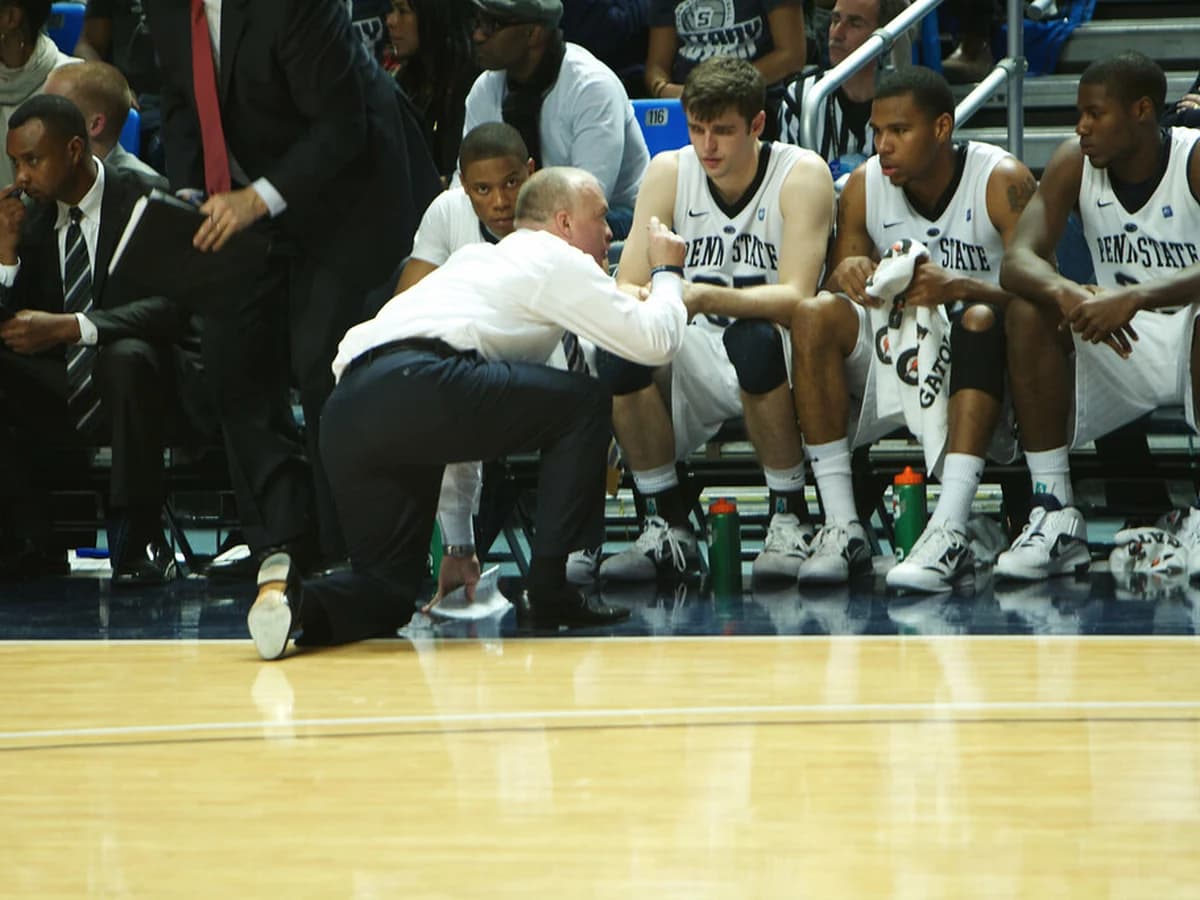
Back-to-back games are one of the most talked about scheduling quirks in the NBA, and also one of the most misunderstood when it comes to how they actually affect totals. The common assumption is simple: tired legs mean fewer points. The reality, once you dig into how rotations actually change, is more nuanced than that.
How Fatigue Changes Rotations, Not Just Legs
Second-night-of-back-to-back games tend to see reduced minutes for starters and heavier reliance on bench rotation, which typically compresses scoring variance rather than simply lowering the total outright. Coaches manage fatigue by shortening rotations at the top and extending them at the bottom, meaning a team's best players log fewer minutes while bench players see more run than usual.
This compression effect matters more than raw fatigue for totals purposes. A team can still hit its expected point total on the second night of a back-to-back, just distributed differently across the roster, with less scoring concentrated in a superstar's minutes and more spread across a deeper bench rotation than normal.
Travel Distance Matters as Much as the Back-to-Back Itself
Travel distance between the two games matters as much as the back-to-back itself. A short flight has a very different fatigue profile to a cross-country red-eye. A back-to-back involving two cities in the same time zone with a short flight between them produces meaningfully less physical strain than one requiring a long overnight flight across multiple time zones, even though both technically qualify as the same scheduling situation on paper.
- Check the specific flight distance and time zone change between the two back-to-back games, not just whether one exists.
- Note whether the second game is at home or on the road, since travel fatigue compounds with road back-to-backs specifically.
- Track a team's bench scoring average on back-to-back nights compared to their season-long bench scoring average.
- Watch for coaches who are known to rest starters entirely on the second night rather than just reducing their minutes.
- Consider the opponent's rest situation too, since a back-to-back team facing a fully rested opponent faces a tougher matchup on both ends.
Home Versus Road Back-to-Backs Are Different Situations
We treat road back-to-backs and home back-to-backs as separate situations entirely. The fatigue effect is consistently larger on the road. A team playing the second half of a back-to-back at home avoids the additional travel entirely, sleeps in their own beds, and benefits from familiar training facilities, all of which meaningfully soften the fatigue effect compared to a genuine road back-to-back involving travel between the two games.
This distinction is frequently missed by markets that price all back-to-backs similarly. A home back-to-back for a team with strong bench depth might barely move their expected performance at all, while a road back-to-back for a team relying heavily on a short rotation of starters can produce a much larger, more predictable dip in performance.
A Back-to-Back Betting Checklist
- Check flight distance and time zone change between the two games, not just whether a back-to-back exists on paper.
- Separate home back-to-backs from road back-to-backs, since the fatigue effect is consistently larger on the road.
- Track bench scoring share on back-to-back nights against a team's season-long bench scoring average.
- Note any coaching tendency to rest starters fully rather than just trimming their minutes on short rest.
- Weight the opponent's own rest situation, since a fully rested opponent adds a tougher matchup on both ends.
- Watch for a compressed, bench-heavy scoring distribution rather than assuming the total simply drops across the board.
Common Mistakes When Betting Back-to-Backs
A frequent mistake is assuming every back-to-back situation is equally taxing, without checking the specific travel distance and time zone change involved. A back-to-back between two nearby cities in the same time zone is a fundamentally easier situation than one requiring a long overnight flight, yet markets sometimes price the two similarly.
Another is ignoring which specific players a team tends to rest on the second night. Some coaches consistently sit their most important starter entirely on a back-to-back's second game, while others simply trim minutes across the board, and knowing a team's specific tendency changes how much the total should realistically move.
A Repeatable Back-to-Back Review Process
Building a short team-by-team profile of how each coaching staff typically handles back-to-back situations, rather than applying one general rule to every team, sharpens a totals view considerably over a full season.
- Check specific travel distance and time zone change for every back-to-back rather than assuming they're all equal.
- Note each coaching staff's known tendency toward resting a starter entirely versus simply trimming minutes.
- Track bench scoring share specifically on back-to-back nights against a team's season-long bench scoring average.
- Weight road back-to-backs more heavily than home back-to-backs when estimating fatigue impact.
- Factor in the opponent's own rest situation, since a well-rested opponent adds an extra layer of difficulty.
Fatigue on the second night of a back-to-back is real, but it shows up as a change in who scores and how minutes are distributed, more than a guaranteed drop in the final total. Reading the rotation and travel details carefully gives a far sharper picture than assuming every back-to-back behaves the same way.
It's also worth checking how a team's specific rotation pattern holds up across a longer stretch of back-to-backs later in the season, once fatigue has had more time to accumulate across the roster. A team that handled an early-season back-to-back comfortably in October can look very different attempting the same schedule spot in a compressed spring stretch, once the accumulated toll of a long season starts to show in everyone's legs, not just on the specific night in question.
Preseason and early-season back-to-backs are also worth treating a little differently, since rotations haven't fully settled into their regular-season pattern yet. A coaching staff still experimenting with its bench rotation in the season's opening weeks may handle an early back-to-back quite differently than the same staff will once the rotation is fully locked in by midseason. Revisiting this specific factor once the season settles into its rhythm, typically a month or so in, keeps the read current rather than anchored to early, unsettled patterns.
Like what you read?
Register now and put today's slate to work.